

What We Know
- Apple Intelligence is deeply integrated into iOS 18, iPadOS 18, and macOS Sequoia, leveraging the power of Apple Silicon to deliver highly personalized experiences across multiple devices.
- The system prioritizes on-device processing to ensure user data remains private, utilizing Private Cloud Compute when larger, cloud-based models are required for complex tasks.
- Siri has been completely redesigned with richer language-understanding capabilities, a more natural voice, and a glowing light band that wraps around the edge of the screen.
- New system-wide Writing Tools enable users to rewrite, proofread, and summarize text across virtually all native and third-party applications seamlessly.
- The Photos app now features natural language search for images and videos, alongside a powerful Clean Up tool that removes distracting background objects with a tap.
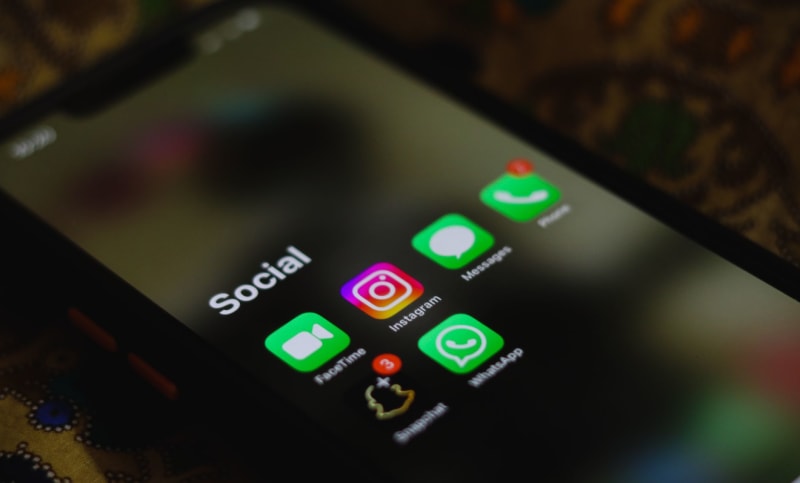
- Priority Messages and smart notification summaries help users stay focused by surfacing the most urgent communications at the very top of their feeds.
What We Do Not Know Yet
- The exact timeline for the global rollout of localized language support beyond US English remains uncertain, leaving international markets waiting for full functionality.
- We do not yet know how heavily Private Cloud Compute will be utilized under peak server loads and whether users will experience latency during high-demand periods.
- The long-term battery performance impact of running continuous, complex on-device generative models on older compatible hardware like the iPhone 15 Pro remains unproven.
- It is unclear how seamlessly third-party developers will adopt the App Intent framework to make their apps fully controllable by the newly upgraded Siri.
- The potential subscription pricing model for future, more advanced Apple Intelligence features has not been disclosed, raising questions about long-term monetization.
- We have yet to see how Apple will navigate complex regulatory landscapes in regions like the European Union and China, where strict data laws may delay deployment.
Background
For several years, the tech industry has been locked in a fierce arms race dominated by cloud-centric generative artificial intelligence models. While competitors rushed to release conversational chatbots and image generators that rely heavily on massive, centralized data centers, Apple quietly focused on building the hardware foundation necessary for localized machine learning. The introduction of powerful Neural Engines in Apple Silicon laid the groundwork for a different kind of AI—one that prioritizes speed, efficiency, and absolute user privacy over sheer model scale.
At its Worldwide Developers Conference, Apple finally unveiled its vision of personal intelligence, branding it as Apple Intelligence. Rather than treating AI as a standalone destination or a novel gimmick, the company has woven these capabilities directly into the fabric of its operating systems. This strategic move aims to make artificial intelligence feel invisible, shifting the focus from the technology itself to the practical, everyday problems it can solve for billions of active device users worldwide.
This launch represents a pivotal moment for consumer technology, as it seeks to democratize advanced machine learning tools without compromising on the strict security principles Apple has championed for decades. By leveraging on-device processing as the default state and inventing entirely new cryptographic standards for cloud-based computations, Apple is attempting to set a new benchmark for how personal data is handled in the modern digital era.
Why It Matters
The introduction of Apple Intelligence marks a massive paradigm shift in how consumers interact with their personal technology. By integrating context-aware artificial intelligence directly into the operating system, Apple is moving away from the traditional app-siloed experience toward a more fluid, intuitive interface. This transition could fundamentally change user expectations, forcing competitors to rethink their own software designs and prioritize seamless, system-wide integration over isolated, web-based AI tools.
Furthermore, Apple's uncompromising stance on user privacy could force the entire tech sector to adopt more secure data-handling practices. By proving that highly sophisticated generative AI can run locally on consumer hardware or via secure, verifiable cloud nodes, Apple is challenging the prevailing industry narrative that user surveillance and massive data harvesting are necessary evils for training and deploying useful AI models.
Ultimately, this release will determine whether AI becomes a truly indispensable tool for the general public or remains a niche interest for tech enthusiasts. If Apple successfully delivers an intuitive, crash-free, and genuinely helpful assistant that respects user boundaries, it will solidify its ecosystem's dominance for the next decade, setting a standard that rivals will struggle to match without matching Apple's tight hardware-software integration.
Timeline of Events
- June 2024: Apple officially announces Apple Intelligence at WWDC, showcasing its unique approach to deeply integrated, privacy-first personal AI capabilities.
- Developer Beta Phase: Early access builds of iOS 18.1 are released to developers, introducing initial Writing Tools and basic Siri interface redesigns.
- September 2024: The iPhone 16 lineup launches, built from the ground up to support the intensive processing demands of Apple's new AI architecture.
- October 2024: Public release of iOS 18.1 brings the first wave of Apple Intelligence features to users in US English, including Clean Up and smart summaries.
- Late 2024 to Early 2025: Scheduled rollouts of localized English variations for major global markets, alongside localized language betas for French, German, and Japanese.
- Mid-2025: Anticipated deployment of advanced Siri features, including full on-screen awareness and deep, cross-application action execution capabilities.

Rapid-Fire Q&A
What Is Coming
- The introduction of Genmoji will soon allow users to generate completely custom emojis on the fly simply by typing descriptive text prompts.
- Image Playground will debut as a dedicated app and system-wide tool, enabling quick creation of playful illustrations, sketches, and animations.
- Siri will gain full on-screen awareness, allowing it to understand and interact with content displayed in any active application on your screen.
- Deep integration with third-party apps via expanded App Intents will let Siri perform complex, multi-step actions across different software platforms.
- Expanded language support will roll out systematically throughout next year, bringing localized AI capabilities to millions of non-English speakers.
- Continuous updates to the underlying foundation models will steadily improve the speed, accuracy, and contextual relevance of all system-wide suggestions.














Comments
No comments yet. Be the first to comment!