


Policy Snapshot
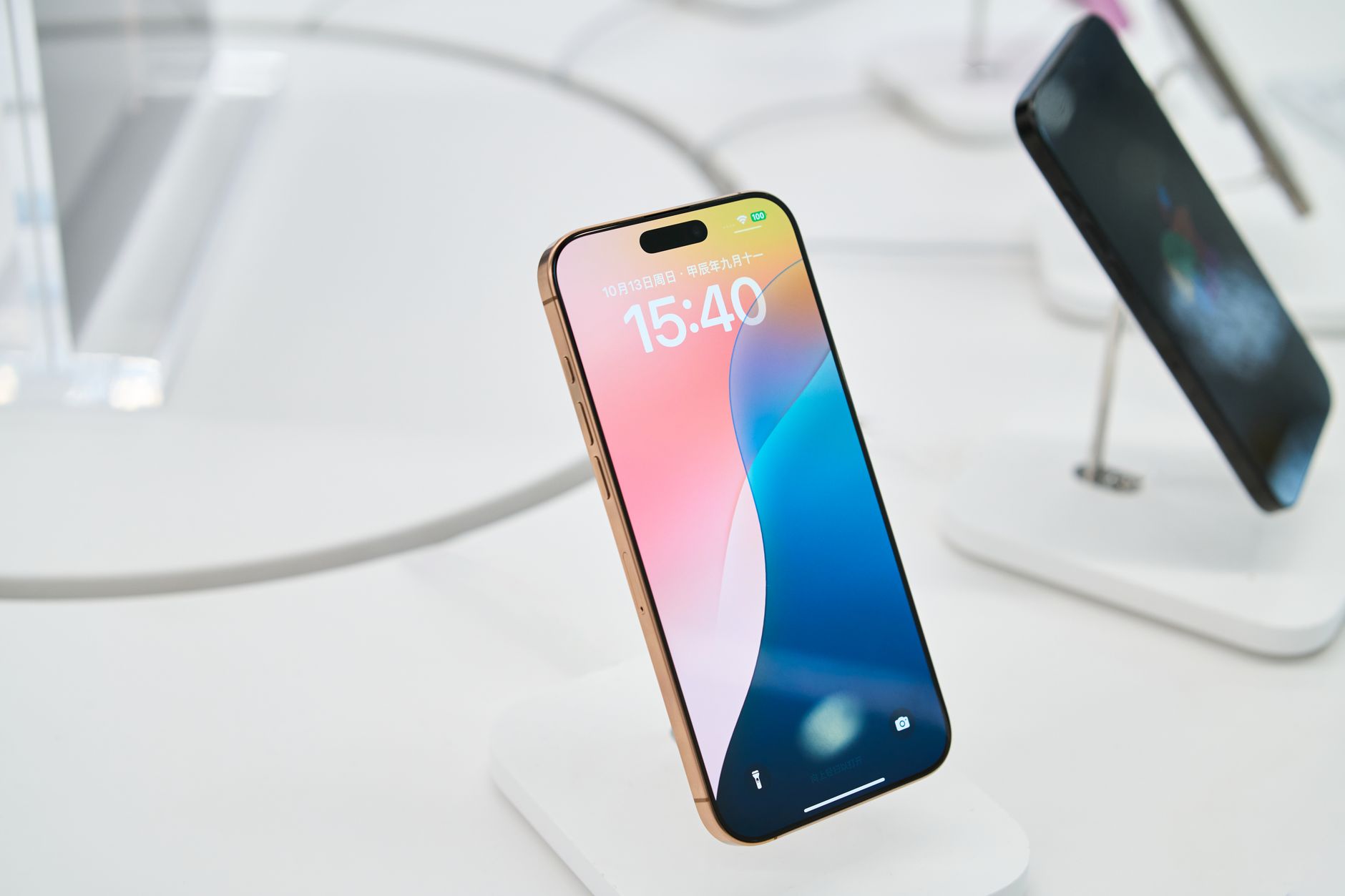
- The next generation of Apple Intelligence introduces deeply integrated generative AI features, offering personalized assistance and context-aware capabilities across core applications, fundamentally changing how users interact with their devices.
- Siri AI receives a transformative overhaul, evolving into a more natural, proactive, and contextually aware digital assistant capable of complex multi-turn conversations and on-device actions, significantly boosting productivity and accessibility.
- Comprehensive new parental controls empower guardians with granular oversight, including advanced content filtering, screen time management, and real-time activity reports, ensuring a safer digital environment for children.
- Expansive software improvements span iOS, iPadOS, macOS, watchOS, and tvOS, delivering performance optimizations, refined user interfaces, and a wealth of new features designed to enhance daily usability and streamline workflows.
- Enhanced privacy and security protocols are woven into every new AI feature, reinforcing Apple's commitment to user data protection by processing sensitive information on-device whenever possible, maintaining user trust.
- Developers gain access to powerful new APIs and frameworks, enabling them to integrate Apple Intelligence and Siri capabilities into their own applications, fostering a new wave of innovative and intelligent software experiences.
The Policy History
Apple's journey into artificial intelligence has been a meticulous, multi-year endeavor, characterized by a strategic focus on privacy-preserving, on-device processing. For over a decade, the company has quietly acquired numerous AI startups and invested heavily in machine learning research, laying the groundwork for the comprehensive suite of features unveiled at WWDC26. This long-term commitment underscores a deliberate approach to integrating intelligence not as a standalone product, but as an invisible, enhancing layer across its entire ecosystem, from the smallest Apple Watch to the most powerful Mac.
The latest WWDC presentation marks a significant inflection point, showcasing the culmination of these efforts with the official introduction of the 'next generation' of Apple Intelligence. This isn't merely an incremental update; it represents a foundational shift in how Apple devices understand and anticipate user needs. The company's vision extends beyond simple voice commands or predictive text, aiming for a truly personalized and proactive digital companion that learns and adapts to individual usage patterns while maintaining stringent data security standards, a critical differentiator in the competitive AI landscape.
Historically, Apple has often preferred to refine existing technologies rather than rush to market with nascent ones, a philosophy evident in the measured rollout of its AI capabilities. This year's announcements, however, signal a bold acceleration, positioning Apple to directly challenge rivals in the generative AI space while emphasizing its unique value proposition: intelligence deeply embedded within a secure, integrated hardware and software environment. The ambition is clear: to make every Apple device not just smart, but intuitively intelligent, enhancing productivity and creativity without compromising user privacy or control.
Who Is Affected
Virtually every segment of Apple's vast user base stands to be profoundly affected by these sweeping updates. Casual iPhone users will experience a more intuitive and responsive Siri, capable of handling complex requests and automating multi-app tasks with unprecedented ease, fundamentally streamlining daily interactions. Professionals leveraging iPads and Macs will discover new AI-powered tools for writing, image generation, and data analysis, promising significant boosts in productivity and creative output, effectively transforming their workflows and unlocking new possibilities for innovation.
Parents and guardians, in particular, will find the enhanced parental controls to be a game-changer for managing their children's digital lives. These robust new features offer unparalleled visibility and control over app usage, content access, and screen time, providing a much-needed layer of security and peace of mind in an increasingly complex digital world. This proactive approach to child safety reflects a growing societal demand for responsible technology, making Apple devices not just powerful tools, but also safer platforms for younger users.
The developer community is also a primary beneficiary, gaining access to a powerful new suite of APIs and frameworks that unlock the full potential of Apple Intelligence and the revamped Siri. This means developers can now integrate sophisticated on-device AI capabilities directly into their applications, creating more intelligent, personalized, and engaging user experiences. This expansion of the developer toolkit is expected to foster a vibrant ecosystem of innovative apps, pushing the boundaries of what's possible on Apple platforms and creating new opportunities for growth and creativity.
The Case For
The compelling case for Apple's latest innovations rests squarely on their potential to significantly enhance user experience, productivity, and digital safety. The integration of next-generation Apple Intelligence promises to make devices not just smarter, but genuinely more intuitive and proactive. Users will benefit from personalized suggestions, automated tasks, and context-aware assistance that anticipates needs, freeing up valuable time and mental energy. This evolution transforms devices from mere tools into intelligent companions, seamlessly assisting with everything from drafting emails to organizing photos.
Furthermore, the dramatic improvements to Siri AI represent a leap forward in natural language processing and task execution. A more capable and integrated Siri means users can interact with their devices more fluidly, using natural conversation to accomplish complex, multi-step actions across various applications. This enhanced accessibility and efficiency are crucial for both everyday users and those with specific accessibility needs, making technology more inclusive and powerful for everyone. The ability to perform on-device actions without internet reliance also boosts speed and privacy.
Crucially, the introduction of robust new parental controls addresses a critical need in today's digital landscape. These features empower parents with unprecedented tools to safeguard their children online, offering granular control over content, screen time, and app usage. This commitment to family safety not only protects younger users from harmful content and excessive device use but also provides parents with much-needed peace of mind, reinforcing Apple's position as a responsible technology leader. The focus on privacy-preserving on-device AI also ensures user data remains secure.
The Case Against
Despite the significant advancements, valid concerns persist regarding the increased integration of AI, particularly concerning data privacy and security. While Apple emphasizes on-device processing for many AI features, the sheer volume of personal data now being processed and analyzed by these intelligent systems raises questions about potential vulnerabilities and the long-term implications for user autonomy. Critics argue that even with robust safeguards, the expanded scope of AI could inadvertently create new attack vectors or lead to unintended data exposure, demanding constant vigilance and transparency from the company.
Another prominent argument against such pervasive technological integration revolves around the potential for over-reliance on AI and the erosion of human cognitive skills. As devices become increasingly intelligent and proactive, there's a risk that users might delegate too many critical thinking and problem-solving tasks to algorithms, potentially diminishing their own capabilities over time. Furthermore, the constant stream of personalized notifications and automated suggestions, while convenient, could contribute to digital fatigue and a decreased ability to disconnect from technology, impacting mental well-being.
Finally, the sheer complexity and breadth of the new features, while powerful, could present a significant learning curve for a substantial portion of the user base. Not all users are tech-savvy, and the introduction of advanced AI functionalities, intricate parental controls, and sophisticated software improvements might overwhelm those seeking simplicity. There's a risk that these innovations, intended to enhance user experience, could instead create a barrier to entry for some, leading to frustration or underutilization of the full potential of their devices, widening the digital divide.

Policy Questions Answered
Implementation Watch
The rollout of these groundbreaking updates is anticipated later this year, following the traditional release cycle for major operating system revisions. Users eager to experience the full spectrum of Apple Intelligence, the enhanced Siri, and the new parental controls should meticulously verify their device compatibility, as many of the most advanced AI features are hardware-dependent, primarily requiring the latest Apple Silicon. Early adoption will likely involve beta programs for developers and public testers, allowing for feedback and refinement before the official public launch, ensuring stability and optimal performance across the ecosystem.
For the vast developer community, the period leading up to and immediately following the public release will be critical for adaptation and innovation. Apple has provided extensive new APIs and frameworks, empowering developers to integrate the advanced AI capabilities directly into their applications. This necessitates a thorough review of existing app architectures, potential redesigns to leverage the new intelligence, and rigorous testing to ensure seamless functionality and a superior user experience. The speed and quality of developer adoption will significantly influence the overall impact and utility of Apple's new AI paradigm.
Beyond the technical implementation, the success of these new features will also hinge on user education and ongoing support. Apple will need to clearly communicate the benefits, functionalities, and privacy safeguards of its AI initiatives to a broad audience, addressing any lingering concerns about data handling or complexity. Furthermore, continuous monitoring of user feedback, performance metrics, and security vulnerabilities will be paramount. This iterative process of refinement and transparent communication will be essential for building and maintaining user trust as Apple pushes the boundaries of integrated artificial intelligence.










Comments
No comments yet. Be the first to comment!