
At a Glance
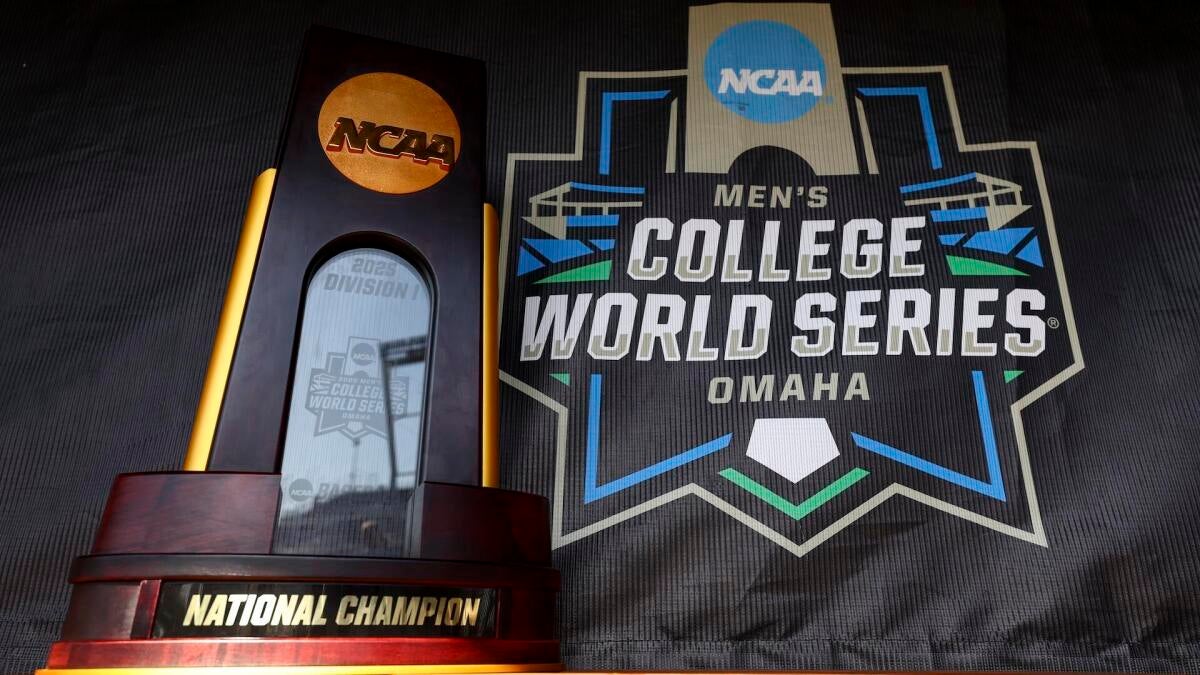
The 2026 College World Series is set to captivate baseball fans nationwide, culminating the thrilling journey of the top collegiate teams. This premier event, held annually in Omaha, Nebraska, represents the pinnacle of college baseball, where dreams are forged and legacies are cemented. Fans can anticipate a packed schedule filled with high-stakes matchups, showcasing incredible athleticism, strategic coaching, and the sheer determination of young athletes striving for ultimate glory. Every game promises intense competition, as teams battle through a rigorous bracket designed to test their resilience and skill under immense pressure. The atmosphere in Omaha is always electric, drawing thousands of passionate supporters to witness history unfold on the diamond.
This year's tournament promises to be a memorable one, featuring a blend of perennial powerhouses and surprising newcomers who have fought their way through regional and super regional play. The schedule is meticulously crafted to provide ample viewing opportunities, with games spread across multiple days and broadcast on national television networks, ensuring that fans across the country can follow their favorite teams. From the opening pitch to the final out of the championship series, the College World Series delivers unparalleled drama and excitement. It's a celebration of the sport, highlighting the dedication and talent that define collegiate athletics at its highest level, making it a must-watch event for any baseball enthusiast.
Understanding the full schedule, including game times and television assignments, is crucial for fans aiming to follow every moment of the action. This guide provides a comprehensive overview, breaking down the tournament structure, key matchups, and broadcasting details. Whether you're planning to attend games in Omaha or watch from home, this information will ensure you don't miss any of the pivotal plays or championship-clinching victories. The road to Omaha is arduous, and the journey through the CWS itself is equally demanding, making each win a significant achievement on the path to becoming national champions.
What We Know
- The 2026 College World Series will feature eight of the nation's top collegiate baseball teams, all vying for the coveted national championship title in Omaha, Nebraska.
- The tournament is scheduled to commence on Friday, June 12, 2026, with the opening games of the bracket, and will conclude with the championship series, expected to finish by Monday, June 22, 2026.
- All games will be broadcast live across various ESPN networks, including ESPN, ESPN2, and ESPNU, providing extensive coverage for fans across the United States.
- The format consists of two double-elimination brackets, with the winners of each bracket advancing to a best-of-three championship series to determine the ultimate champion.
- Teams participating have navigated a rigorous path through NCAA Regionals and Super Regionals, demonstrating exceptional skill, resilience, and a championship mindset to earn their spot in Omaha.
- Specific game times and television assignments for individual matchups will be finalized and announced closer to the tournament dates, following the completion of the Super Regional round.
How We Got Here
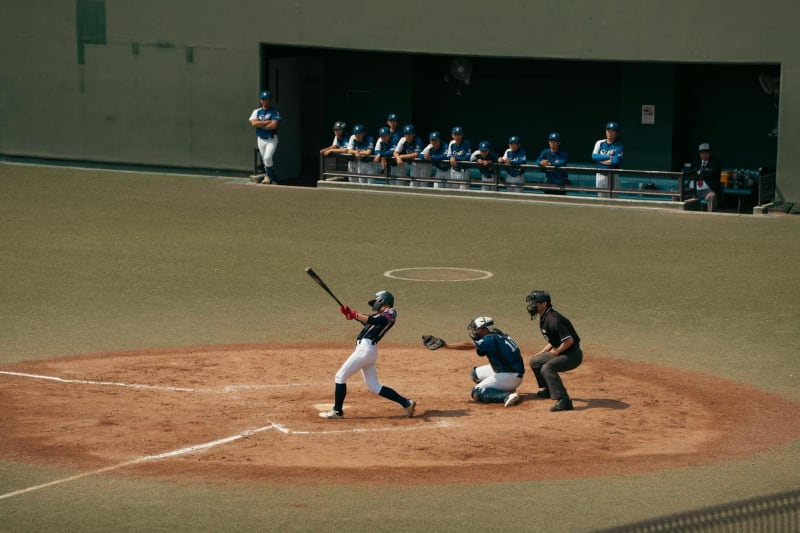
The journey to the 2026 College World Series is a testament to the grueling nature of collegiate baseball, beginning with the selection of 64 teams for the NCAA Tournament. These teams, ranked and seeded, first compete in regional tournaments, typically hosted by the top 16 seeds. Only the victors from these intensely competitive regional rounds advance to the next stage, where the pressure intensifies significantly. This initial phase weeds out a substantial portion of the field, demanding consistent performance and the ability to win in high-stakes environments against formidable opponents who have also earned their way through conference play.
Following the regional tournaments, the surviving teams enter the Super Regionals, a best-of-three series that pits two regional champions against each other. These matchups are often the most challenging of the entire postseason, as they feature two teams already proven to be among the nation's elite. Winning a Super Regional requires not only superior talent but also exceptional coaching strategy, bullpen depth, and the mental fortitude to perform under extreme duress. The eight teams that emerge victorious from the Super Regionals earn the coveted berths to the College World Series in Omaha, representing the culmination of a long and arduous season.
The selection committee's decisions, the upsets, and the dramatic finishes throughout the regular season and conference tournaments all contribute to the narrative leading up to Omaha. Teams that may have struggled at times but found their stride in the postseason, or those that consistently dominated their leagues, all converge with a shared goal. The path is never easy, marked by nail-biting finishes, clutch hits, and dominant pitching performances that define the spirit of college baseball and set the stage for the spectacle that is the College World Series.
The Record
The College World Series has a rich history dating back to 1947, and since 1950, it has been proudly hosted at the historic Charles Schwab Field Omaha (formerly Rosenblatt Stadium) in Omaha, Nebraska. This iconic venue has witnessed countless legendary performances and dramatic championship moments, embedding itself into the fabric of college baseball lore. Over the decades, numerous programs have established dynasties, with the University of Southern California leading the pack with 12 national championships, though their last title came in 1998. Arizona State follows closely with 5 championships, and Texas has secured 6 titles, showcasing their consistent dominance throughout the tournament's history.
Recent history has seen a more diverse range of champions, reflecting the increasing parity and competitiveness within NCAA Division I baseball. Teams like Mississippi State, Vanderbilt, Coastal Carolina, and Ole Miss have all celebrated national titles in the last decade, proving that sustained excellence throughout the regular season and postseason is key to reaching the pinnacle. The tournament often produces Cinderella stories, with underdog teams making deep runs and challenging the traditional powerhouses, adding an element of unpredictability and excitement that keeps fans engaged year after year.
The records for individual achievements are equally impressive, featuring remarkable batting averages, astounding pitching statistics, and unforgettable defensive plays. These records serve as benchmarks for future generations of players, inspiring them to etch their own names into the annals of college baseball history. As the 2026 series approaches, the question on everyone's mind is which team will add its name to the illustrious list of champions and what new records might be set.
Context Check
The College World Series is more than just a sporting event; it's a significant cultural phenomenon within the United States, deeply intertwined with the traditions and passion of baseball. For many young athletes, it represents the culmination of years of dedication, sacrifice, and relentless training, offering a potential pathway to professional careers in Major League Baseball. The exposure gained in Omaha can be invaluable, attracting scouts and influencing draft decisions. Furthermore, the championship title brings immense prestige to the winning university, boosting alumni engagement, recruiting efforts, and overall athletic department standing.
The economic impact on Omaha is also substantial, with thousands of fans traveling to the city, filling hotels, restaurants, and local businesses throughout the tournament's duration. This influx of visitors provides a significant boost to the local economy, making the CWS a highly anticipated annual event for the host city. The atmosphere in Omaha during the series is electric, characterized by passionate fan bases, tailgating, and a shared appreciation for the game, creating a unique festival-like environment that extends beyond the ballpark.
Understanding the context of the College World Series involves recognizing its role in player development, university prestige, and community engagement. It serves as a critical platform where raw talent is honed into polished performance, and where the dreams of young athletes are put to the ultimate test on a national stage, solidifying its importance in the landscape of American sports.
Why It Matters
The 2026 College World Series holds immense significance not only for the participating teams and their universities but also for the broader landscape of college athletics and baseball development. It serves as the ultimate proving ground for aspiring professional players, offering them a national platform to showcase their skills against the best competition in the country. Scouts from Major League Baseball closely monitor performances in Omaha, making it a critical juncture for many players' professional futures and draft stock. A strong showing here can significantly elevate a player's draft position and potential earning power.
Beyond individual aspirations, the CWS is a powerful engine for university pride and alumni engagement. The success of a baseball program in reaching and competing in Omaha generates immense enthusiasm among students, faculty, and alumni, fostering a sense of community and shared accomplishment. This heightened visibility can translate into increased donations, improved athletic program funding, and enhanced institutional reputation. For the winning university, a national championship is a crowning achievement that resonates for years, bolstering school spirit and attracting future talent.
Furthermore, the College World Series plays a vital role in the growth and popularization of baseball. It exposes a vast audience to the excitement and strategic depth of the college game, potentially inspiring the next generation of players and fans. The drama, the upsets, and the sheer display of talent captivate viewers, reinforcing baseball's enduring appeal. The event's ability to unite communities, celebrate athletic achievement, and provide a stage for dreams to be realized underscores its profound importance in the American sports calendar.
Frequently Asked Questions
What Happens Next
Following the conclusion of the 2026 College World Series, the focus will shift to the professional baseball landscape, particularly Major League Baseball's amateur draft. Many of the standout performers from Omaha will hear their names called, marking the beginning of their professional careers. The success and experience gained in the CWS often provide a significant confidence boost and a solid foundation for these players as they embark on their journey through the minor leagues with aspirations of reaching the big leagues.
For the universities involved, the end of the CWS signals the start of preparations for the next collegiate season. Coaching staffs will begin recruiting efforts to bring in top high school talent, while also evaluating their current roster for the upcoming year. The experience of playing in Omaha, whether a team wins or loses, provides invaluable lessons and motivation that shape their approach to future seasons, aiming to return to the pinnacle of college baseball.
Fans will undoubtedly look back on the thrilling moments, incredible plays, and the crowning of a new national champion. The memories created during the 2026 College World Series will resonate throughout the offseason, fueling anticipation for the start of the next collegiate baseball season and the eventual return to Omaha for another chapter of unforgettable competition.









Comments
No comments yet. Be the first to comment!