
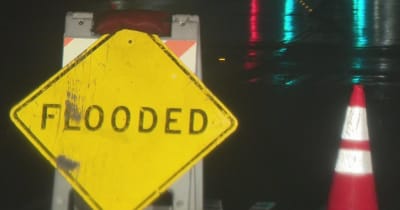
The recent deluge that transformed West Seventh Street in Fort Worth into a treacherous waterway is more than just a passing inconvenience; it's a stark reminder of a persistent vulnerability that has haunted this vibrant entertainment district for decades. This latest incident, where water surged above waist level, carrying vehicles downstream and forcing residents to seek higher ground, echoes scenes from August 2022. The visual of floating cars and desperate scrambles for safety is not new for those who live and work here, painting a frustratingly familiar picture of a city grappling with its own aging foundations. Fort Worth's storm drain system in this particular area is not merely undersized; it represents a critical infrastructure gap that has been acknowledged but not adequately addressed for generations. Ben Thompson, a city official familiar with the drainage challenges, confirmed that the core issue stems from a system designed for a smaller, less dense city. The current infrastructure, built decades ago, simply cannot cope with the intensity and frequency of modern rainfall events, exacerbated by increased urban development and potentially climate change. Data from the city paints a sobering picture of the financial chasm separating the need from the available resources. Mitigating the widespread flooding in the West Seventh area was estimated in 2023 to cost approximately $110 million. This figure dwarfs Fort Worth's entire annual stormwater management budget, which stands at a mere $70 million. This stark disparity means that the West Seventh drainage project is not an isolated concern but one of many critical infrastructure needs competing for limited municipal funds, a common dilemma faced by cities across the nation. The human toll of these recurring floods extends beyond property damage and traffic disruptions. For residents like Breilynn Schoenberger, who witnessed the chaos unfold from her apartment parking garage, the fear is palpable. She described the frantic rush home as tornado sirens blared, only to find her street transformed into a raging river. The experience, punctuated by the unnerving sight of cars literally floating down the street, underscores the anxiety and disruption that such events inflict on daily life, turning routine weather into a source of genuine alarm. City officials are acutely aware of the situation and express a deep sense of empathy for the affected residents. Thompson acknowledged that the city's stormwater management team engages in proactive measures, such as clearing drain inlets and performing extra maintenance in flood-prone zones before major storms. However, he candidly admitted that "every time it rains like this, we just cross our fingers that these flooding situations don't happen." This admission highlights the reactive nature of current efforts, a desperate hope for the best while preparing for the worst. The timeline for comprehensive solutions, as outlined by city officials, offers little immediate solace to those living with the constant threat of inundation. While the first phase of improvements is slated for completion by 2029, full mitigation is not expected for another two to three years thereafter. This multi-year horizon, coupled with the immense cost, leaves residents questioning the city's commitment and capacity to deliver on long-promised relief, fostering a sense of frustration and perhaps even distrust. The resonance of this story across Fort Worth and beyond stems from its broader societal implications. Aging infrastructure is not a problem confined to one Texas city; it is a national crisis. From bridges to water mains to, in this case, storm drains, many American municipalities are confronting the daunting reality of infrastructure that has outlived its intended lifespan. The West Seventh flooding serves as a potent symbol of this widespread neglect and the difficult choices governments must make when balancing immediate needs with long-term investments. Looking ahead, the focus will inevitably shift to how Fort Worth navigates this complex challenge. The city's call for community feedback on stormwater management plans suggests an attempt to bridge the gap between official timelines and resident expectations. However, the true test will lie in securing the necessary funding, whether through innovative financing, state or federal grants, or a difficult re-evaluation of budget priorities. Residents and observers will be watching closely to see if the city can move beyond well-intentioned plans and past costly repairs to implement a truly sustainable solution for West Seventh and other vulnerable areas.
In Brief
Fort Worth's West Seventh district faces recurring flash floods due to decades-old, undersized storm drains, highlighting a critical infrastructure funding gap. The city is grappling with estimated mitigation costs far exceeding its budget, leaving residents frustrated by long-term solutions.Advertisement





Comments
No comments yet. Be the first to comment!