

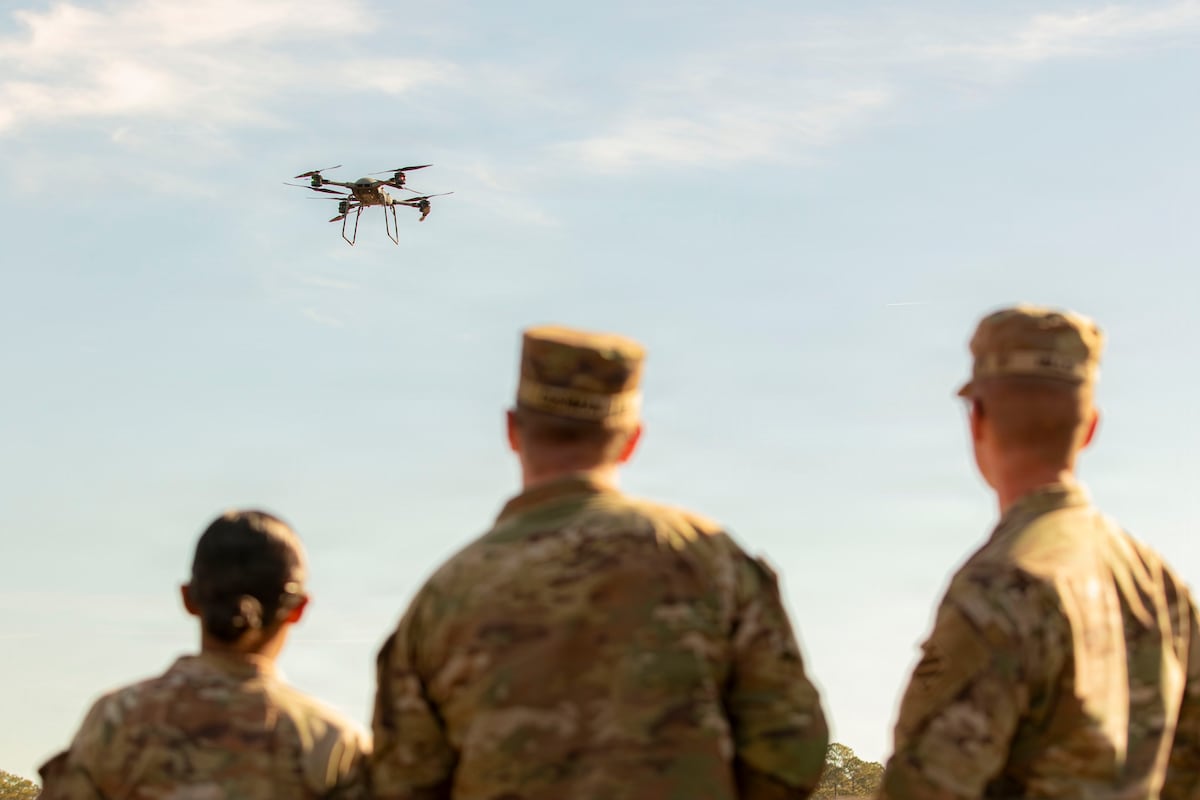
A swift 13-4 vote by the Oakland County Board of Commissioners to approve a pilot program utilizing Flock Safety drones for emergency response has unexpectedly triggered a strong counter-movement, with one commissioner now proposing a year-long freeze on all new surveillance technology acquisitions. This move, spearheaded by Commissioner Charlie Cavell, comes as a direct response to a groundswell of constituent concern following the board's decision. The proposed moratorium aims to halt not only the recently greenlit drone initiative, dubbed "Project Prove It," but also any future deployment or purchase of advanced surveillance tools, urging a period of reflection and public engagement. Why this sudden pause is significant now cannot be overstated. The rapid approval of the Flock drone program, which passed just before public comments could be heard during a contentious board meeting, has ignited fears that the county is moving too quickly into a surveillance-heavy future without adequate public discourse or robust privacy safeguards. Residents are voicing anxieties about the potential for overreach, the scope of data collection, and the long-term storage of sensitive information gathered by these advanced technologies. The speed of the initial vote left many feeling unheard, creating an urgent need to address these democratic and privacy deficits. This story is resonating deeply with a public increasingly aware of and concerned about the expanding reach of surveillance technologies in their daily lives. From facial recognition software to ubiquitous cameras, the digital gaze is intensifying. The decision in Oakland County, a populous and generally affluent suburban region, serves as a microcosm of a broader national debate. Residents like Sam Garin, an Oakland County local, articulate a widespread sentiment: "We don’t really have enough protection on any level in this country for our privacy and data." This feeling of vulnerability, coupled with a lack of transparency in how these powerful tools are adopted, fuels the urgency behind Cavell's proposed moratorium. The implications of unchecked surveillance technology extend far beyond mere inconvenience. Critics argue that widespread aerial surveillance, even for legitimate purposes like responding to 911 calls, can create a chilling effect on public life, discourage dissent, and disproportionately impact marginalized communities. The ability of drones to capture high-resolution video, potentially encompassing private properties and personal activities, raises profound questions about Fourth Amendment rights and the reasonable expectation of privacy in public and semi-public spaces. The county's sheriff's office envisions drones arriving ahead of patrols to provide crucial aerial video, a capability that, while potentially life-saving, also opens the door to unprecedented levels of monitoring. The affected parties are broad, encompassing all residents of Oakland County. While proponents of the technology highlight its potential to enhance public safety and aid law enforcement, a significant segment of the population feels their privacy rights are being encroached upon. The "hundreds of people" who contacted Commissioner Cavell underscore a broad base of opposition, indicating that concerns about privacy and data security are not confined to a fringe group. This diverse array of voices, from privacy advocates to ordinary citizens, highlights the complex trade-offs inherent in deploying advanced surveillance systems. Commissioner Cavell's resolution offers a potential path forward by demanding a 12-month moratorium. This period is intended to provide a crucial window for the county to establish clearer policies, engage in more thorough public consultations, and explore less intrusive alternatives. It’s a call for a deliberate pause, allowing for the development of robust oversight mechanisms and data protection protocols before further surveillance technologies are integrated. The proposal also explicitly calls for a review of how such technologies are approved and monitored, aiming to prevent future decisions from being made without adequate public input or consideration of privacy implications. The core of the issue lies in balancing the promise of enhanced public safety with the fundamental right to privacy. The current approach, as exemplified by the rapid approval of the Flock drone pilot, seems to prioritize technological solutions without fully grappling with the societal and ethical ramifications. This narrative urges readers to become more informed about surveillance technologies being considered or deployed in their own communities. It prompts a critical examination of the trade-offs involved and encourages active participation in local governance to ensure that public safety measures do not come at the cost of civil liberties. Ultimately, this story should inspire readers to demand greater transparency and accountability from their elected officials regarding the adoption of surveillance technologies. It’s a call to action to engage in local debates, to ask critical questions about data collection, usage, and retention policies, and to advocate for strong privacy protections. The reader takeaway is clear: proactive civic engagement is essential to shaping a future where technology serves the public good without compromising fundamental rights. The current momentum suggests that public opinion can, and does, influence policy, but it requires sustained attention and informed participation. Looking ahead, the focus will be on whether Commissioner Cavell's moratorium resolution can gain traction and secure the necessary votes on the Oakland County Board of Commissioners. The outcome will likely set a precedent for how other municipalities approach the integration of advanced surveillance technologies. Observers will also be watching for any counter-proposals from the sheriff's office or other commissioners that seek to address public concerns while still advancing technological capabilities. The broader conversation about data privacy and government oversight in the digital age is far from over, and Oakland County's next steps will be closely scrutinized.
In Brief
A proposed year-long freeze on new surveillance tech in Oakland County follows the controversial approval of a drone pilot program, sparking debate over privacy and public safety.Advertisement




Comments
No comments yet. Be the first to comment!