
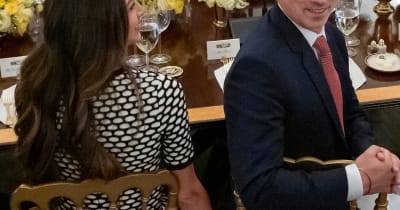
The narrative that California's political destiny is solely forged within the hallowed halls of Sacramento and the Democratic Party's established hierarchy is a convenient fiction. Beneath the surface, a potent and increasingly influential force is at play: the concentrated wealth of a few individuals, leveraging their fortunes to steer policy debates and electoral outcomes in ways that bypass conventional political machinery. This isn't merely about campaign finance disclosures showing large checks; it's about the strategic deployment of capital to shape public discourse and directly fund initiatives that serve specific, often ultra-wealthy, agendas. While public attention often fixates on gubernatorial races or statewide ballot measures, the real battleground for influence is often subtler, involving the cultivation of niche political movements and the amplification of particular policy ideas through sophisticated media and advocacy operations. What's particularly concerning now is the accelerating convergence of personal wealth with direct political action, moving beyond traditional philanthropic or lobbying efforts. For instance, figures like Gerelyn Gilbert-Soto, a prominent figure associated with Google co-founder Sergey Brin, are not just passively observing political developments. Her highly visible online presence and engagement in political commentary and activism, often amplified through her substantial social media following, represent a new frontier in how immense personal fortunes can translate into political leverage, shaping public opinion on issues ranging from economic policy to technological regulation. This phenomenon disproportionately affects everyday Californians, whose voices and concerns can be drowned out by the sheer volume of resources marshaled by a wealthy few. When policy debates, such as those surrounding potential wealth taxes or the regulation of tech giants, are framed and funded by those who stand to gain or lose billions, the playing field is inherently uneven. It creates a dynamic where the priorities of a small elite can overshadow the needs of the broader populace, potentially leading to policies that exacerbate inequality rather than alleviate it. Most media coverage tends to focus on the horse race aspect of elections or the headline-grabbing nature of ballot propositions. What often gets missed is the meticulous, long-term strategy employed by wealthy individuals and their networks to build influence. This includes funding think tanks, sponsoring academic research, cultivating specific media narratives, and supporting grassroots organizations that may not always disclose their ultimate benefactors. The goal is not just to win an election, but to shape the very parameters of what is considered politically feasible or desirable. Consider the recent pushback against proposals like a wealth tax. While ostensibly a public policy debate, the organized and well-funded opposition campaigns often reveal the deep pockets of those who would be most affected. These campaigns employ sophisticated messaging, employ pollsters and strategists, and utilize digital advertising to create a powerful counter-narrative. The sheer financial muscle behind such efforts can effectively stall or defeat policies aimed at greater wealth redistribution, even when polls might initially suggest public support. A critical figure in this evolving landscape is often not a career politician, but an individual whose primary influence stems from their immense financial standing. The ability to fund extensive data analytics, deploy targeted advertising across multiple platforms, and engage in sophisticated digital outreach allows these individuals to bypass traditional gatekeepers and directly influence voters and policymakers. This direct access, facilitated by technology and substantial personal capital, presents a significant challenge to democratic principles of equal representation. The implications for California's future are profound. If policy outcomes are increasingly determined by the financial capacity of a select group of individuals, rather than by the collective will of the electorate or the needs of the majority, the state risks drifting further away from its progressive ideals. It necessitates a re-evaluation of how political influence is wielded and how democratic processes can be safeguarded against the undue sway of concentrated wealth, demanding greater transparency and accountability from all political actors, regardless of their financial standing. Moving forward, Californians should closely monitor the funding streams behind political advocacy groups and policy initiatives, particularly those that emerge suddenly or push seemingly niche agendas with disproportionate resources. The increasing visibility of wealthy individuals engaging directly in political discourse, leveraging their personal platforms, signals a potential shift in power dynamics that demands sustained public scrutiny and a robust defense of democratic representation for all.
In Brief
Ultra-wealthy individuals are increasingly shaping California politics through direct financial influence, bypassing traditional party structures. This article investigates how concentrated wealth impacts policy and what it means for democracy.Advertisement



Comments
No comments yet. Be the first to comment!