

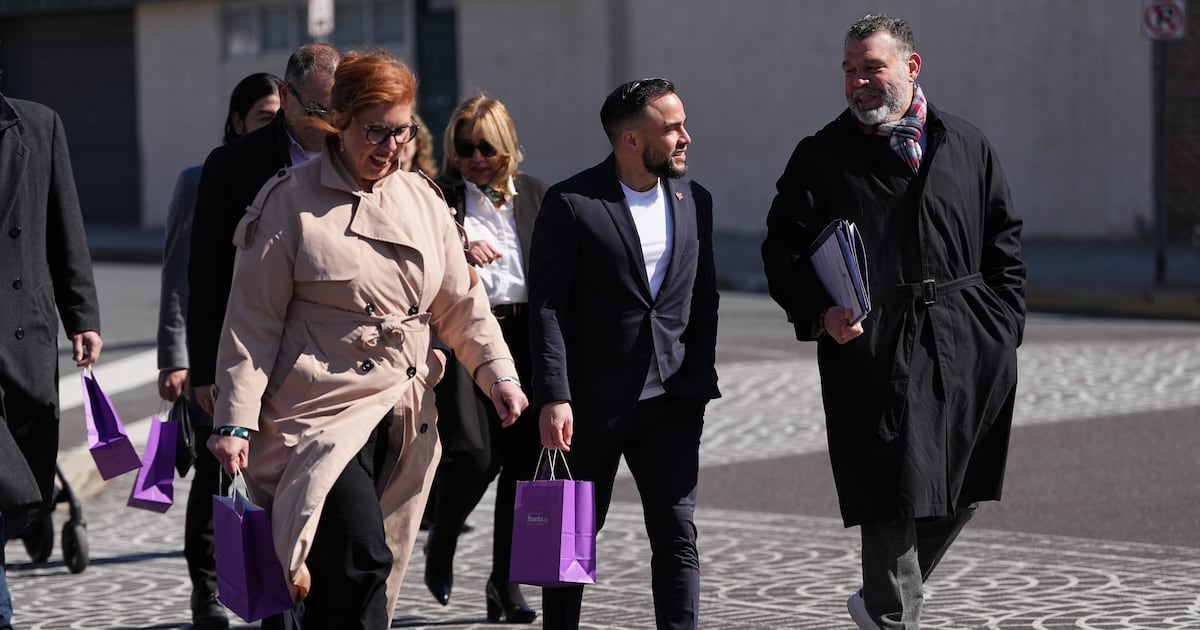
Across the nation, a quiet transformation is unfolding in the halls of local governance, a shift that directly impacts the services and representation every citizen receives. In cities and towns from Pennsylvania to California, an unprecedented wave of Latino individuals is winning election to public office, many for the first time in their communities' histories. This ascent isn't merely a statistical uptick; it represents a tangible change in how local issues are debated, understood, and addressed, influencing everything from school board policies to public safety initiatives and economic development strategies that touch the lives of millions. The current political climate, characterized by heightened rhetoric and sometimes stark divisions, has inadvertently served as a powerful catalyst for this demographic shift. For years, Latino communities have faced escalating verbal attacks and policies perceived as dehumanizing, particularly concerning immigration. Instead of fostering apathy, this sustained pressure has ignited a renewed sense of urgency and a determination among Latino leaders and their supporters to actively shape the political landscape. It's a direct response to feeling marginalized, a collective push to reclaim a voice and ensure their perspectives are central to policy-making. This surge is particularly significant when viewed against the backdrop of Latino underrepresentation in elected positions. According to the National Association of Latino Elected and Appointed Officials (NALEO), the number of Latino elected officials nationwide has climbed to an estimated 7,700, a notable increase from 6,883 recorded in 2020. While Latinos constitute the largest ethnic minority group in the U.S., representing approximately 16% of the population, their presence in elected office has historically lagged behind their demographic weight. This growing cohort is working to rectify that imbalance, bringing a diversity of experiences and priorities that reflect the vast mosaic of the Latino population itself. The implications extend far beyond mere representation. As these new leaders take their seats, they bring with them a unique understanding of community needs, cultural nuances, and the specific challenges faced by their constituents. This can translate into more targeted and effective public services, more inclusive economic development plans, and a more responsive approach to social issues. For instance, mayors like Jaime Arroyo in Lancaster, Pennsylvania, are actively engaging in initiatives like supporting local credit unions, demonstrating a commitment to economic empowerment within their communities. Social media platforms have become a double-edged sword in this narrative. While they amplify divisive rhetoric and can contribute to a hostile environment, they have also become crucial tools for organizing, mobilizing voters, and sharing stories of triumph. Online communities have rallied around these emerging leaders, celebrating their victories and using platforms to counter negative stereotypes. Public reaction, often visible in viral posts and trending hashtags, underscores a growing national conversation about diversity in leadership and the importance of inclusive governance. The broader societal implications are profound. This rise signifies a maturation of Latino political power, moving from a relatively nascent stage to a more consolidated and influential force. It challenges traditional power structures and forces a reevaluation of what it means to be an American leader. As more Latino voices enter the political arena, they contribute to a richer, more representative democracy, fostering a greater sense of belonging and civic engagement among diverse communities. Addressing the challenges these leaders face requires multifaceted strategies. These include continued grassroots organizing, robust voter registration drives, and financial support for candidates. Furthermore, there is a pressing need for broader educational initiatives to foster cross-cultural understanding and combat the prejudices that fuel divisive rhetoric. Policy solutions that promote equitable representation and dismantle systemic barriers to political participation are also paramount. For the average citizen, this trend offers a compelling takeaway: the political landscape is becoming more reflective of the nation's diverse populace. It means that the individuals making decisions about schools, infrastructure, and public services are increasingly likely to understand and represent a wider array of lived experiences. This greater inclusivity has the potential to strengthen communities and foster a more equitable society for all. Looking ahead, the trajectory of Latino political influence will be a critical area to monitor. Key indicators will include the continued growth in the number of Latino elected officials at all levels of government, the engagement of Latino voters in future elections, and the policy outcomes influenced by this growing demographic. The effectiveness with which these new leaders navigate political headwinds and build coalitions will shape the future of American governance.
In Brief
An unprecedented surge of Latino leaders is ascending to local office, driven by escalating political rhetoric and a growing demand for representation. This shift is reshaping governance and community engagement nationwide.Advertisement



Comments
No comments yet. Be the first to comment!