
At a Glance
- New combat drone operations in Ukraine reveal a critical skill gap.
- Sports drone pilots, adept at speed, struggle with slow, patient warfare tactics.
- This mismatch emerged during Ukraine's defense against the Russian invasion.
- Consequence: extensive retraining is needed, sometimes from scratch.
- The challenge impacts operational effectiveness and pilot efficacy on the battlefield.
The Record
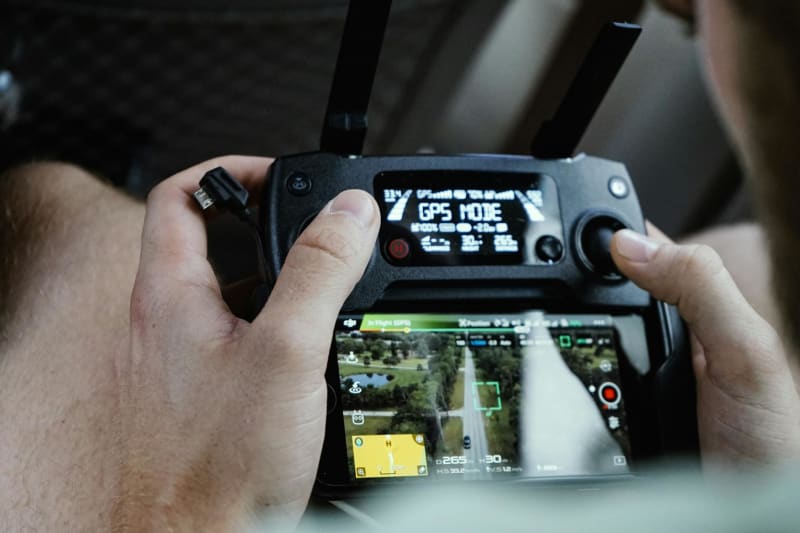
Ukraine's conflict with Russia has exposed a surprising deficiency in modern warfare: drone operation. While the nation has rapidly weaponized commercial and sport-grade drones, its pilots, many with backgrounds in high-speed drone racing, lack essential skills for patient, slow-speed combat maneuvers. This has necessitated a fundamental reassessment of pilot training programs across Ukrainian forces.
Data from the Drone Summit in Latvia, attended by industry and military professionals, highlighted this disparity. Experts like Viesturs Silenieks, chairman of Drone Force—Europe, observed that the aggressive, blink-and-you-miss-it approach of sports drone piloting does not translate to the battlefield. His organization, tasked with training pilots for combat scenarios, finds itself "training again from zero, actually," to fundamentally "change their mindset."
Who Knew and When
The realization that sports drone piloting skills were insufficient for combat operations became apparent as Ukrainian forces increasingly relied on drones for surveillance and attack. Taras Berezovets, head of the military cooperation department of Ukraine's Territorial Defense Forces, stated at the Drone Summit that the need for slow, deliberate flight was clear. This understanding emerged not as a single revelation, but as a growing operational necessity observed in the field.
Decision-makers within Ukraine's military and defense sector became aware of this deficit as they integrated civilian pilots and equipment into their war effort. The initial enthusiasm for rapid deployment of any available drone expertise quickly encountered the reality of war's demand for patience. This led to the acknowledgment that a significant mindset and skill-set adjustment was required, even for pilots who could navigate complex FPV courses at breakneck speeds.
Voices from the Ground
For soldiers on the ground, the difference is stark. A Ukrainian reconnaissance unit commander, requesting anonymity, described how new pilots, recruited from hobbyist drone clubs, often "fly too fast, too soon." He recounted an incident where a target, a small Russian logistics truck, was lost because the operator "couldn't bide their time," and the drone overflew the concealed vehicle before it could be properly identified for an artillery strike.
Conversely, veteran operators adapted to the slower pace speak of its necessity. One drone operator for a Ukrainian artillery unit explained the mental shift. "You become the hunter," he said. "It's hours sometimes, just watching a patch of woods, waiting for movement. You're not racing; you're lurking." This involves immense patience, often relying on "sleeping drones" that can remain on station for days.
The Debate
Supporters of integrating sports drone pilots into military roles point to their inherent technical proficiency and rapid adaptation to new equipment, arguing raw talent for controlling complex aerial vehicles is a valuable foundation. Companies like Performance Drone Works, which transitioned from racing drones to military contracts, exemplify this synergy, and the US Air Force has actively recruited from the drone racing community.
Critics, however, contend that fundamental differences in operational requirements create a significant barrier. The core argument is that high-speed, obstacle-course flying fosters a "chase and destroy" mentality, antithetical to the "hunt and wait" strategy often dictated by battlefield conditions. The debate centers on whether the speed and agility of sport pilots can be effectively retrained for the meticulous, often tedious, surveillance and attack profiles demanded by modern warfare, or if it represents a costly diversion of resources.
Your Questions Answered
What Accountability Looks Like
Genuine resolution requires establishing clear, standardized training protocols that bridge the gap between sport and combat drone piloting, including verifiable metrics for pilot proficiency in slow-speed, patient operations. Accountability also means efficient resource allocation, ensuring pilot recruitment and training programs are tailored to actual battlefield needs, rather than relying on potentially mismatched civilian skill sets. It signifies acknowledging the limitations of existing expertise and investing in the necessary, albeit slow, development of crucial combat abilities for Ukraine's drone corps.














Comments
No comments yet. Be the first to comment!