
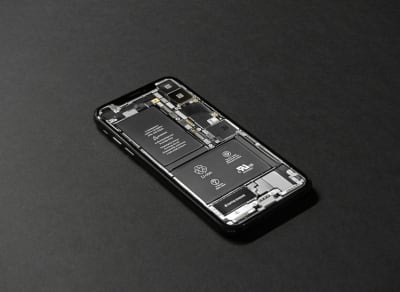
It's a familiar scene: the frantic search for an outlet, the dangling charging cable tethering you to a wall, the low-battery anxiety that strikes even at Disneyland. Despite the astonishing leaps in processing power, camera quality, and AI capabilities, the one thing our smartphones consistently fail to deliver is enduring power. We carry devices that can navigate the globe, capture cinematic-quality video, and manage our finances, yet many of us still find ourselves at 20% by lunchtime, reaching for portable chargers as a daily necessity. This pervasive frustration isn't just a personal inconvenience; it's a collective sigh of dissatisfaction. A recent survey reveals a striking statistic: 58% of smartphone owners report being unhappy with their device's battery life. More significantly, this dissatisfaction is a powerful driver for upgrades, with over half of those polled indicating that poor battery performance would lead them to buy a new phone, outpacing desires for increased storage, advanced cameras, or better displays. This suggests that for many, the fundamental utility of their phone is being compromised by its inability to keep pace with their day. To understand this paradox, we must look beyond the immediate annoyance and consider the relentless evolution of the smartphone itself. These devices are no longer just communication tools; they are powerful miniature computers. They house sophisticated processors running complex operating systems, high-resolution screens that demand significant energy, and an ever-increasing array of sensors and radios constantly communicating with networks. Each new feature, from augmented reality applications to advanced biometric security, adds to the device's power consumption. The battery, while indeed improving, is engaged in a constant arms race against our escalating demands. Historically, early mobile phones were relatively simple, designed primarily for calls and basic texting. Their batteries, though much smaller in capacity by today's standards, could last for days, sometimes even a week, on a single charge. The advent of the smartphone era, beginning in earnest with the iPhone in 2007, marked a fundamental shift. Suddenly, our phones became pocket-sized entertainment centers, productivity hubs, and information portals. This transformation required a radical increase in both computational power and, consequently, energy needs. The lithium-ion battery technology that has powered this revolution, while remarkably effective, has inherent physical limitations that manufacturers are continuously pushing. Industry experts acknowledge this uphill battle. Celina Mikolajczak, a seasoned executive with extensive experience in battery technology development, notes that "As our phones have gotten better, they get more and more power-hungry. The batteries keep getting better, but we keep wanting more." This sentiment encapsulates the core of the issue: technological advancement in one area fuels increased demand in another, creating a perpetual cycle. While battery capacities have grown and energy efficiency has improved incrementally with each generation of devices, the exponential increase in feature sets and user engagement has outpaced these gains. Furthermore, the way we use our smartphones has fundamentally changed. We are no longer just checking emails or making calls. We are streaming high-definition video, playing graphically intensive games, navigating with GPS for extended periods, video conferencing, and constantly engaging with social media feeds that refresh in real-time. These activities are inherently power-intensive, far exceeding the demands of previous generations of mobile devices. The very functionality that makes our smartphones indispensable also acts as their Achilles' heel, draining their energy reserves at an alarming rate. The industry is actively exploring solutions beyond incremental improvements. Innovations such as silicon-carbon batteries are being developed, promising higher energy density—meaning more power in the same physical space. Companies in markets like China, including Honor, Huawei, and Oppo, are already experimenting with and integrating these more advanced battery chemistries into their latest flagship models, aiming to offer a noticeable difference in longevity. The quest for a true multi-day battery life is a significant competitive differentiator. Looking ahead, the future holds both promise and continued challenges. While breakthroughs in battery chemistry and charging technology are on the horizon, it's unlikely that we will see a complete elimination of daily charging anytime soon. Instead, we can expect a gradual improvement in battery endurance, coupled with faster charging solutions that mitigate the inconvenience. The focus will likely remain on balancing power consumption with user experience, pushing the boundaries of efficiency in both hardware and software. The race is on to create devices that not only perform more tasks but also do so for longer periods, truly freeing us from the tyranny of the charging cable. What can users do in the meantime? Optimizing settings remains crucial. Enabling low power modes during periods of high usage, reducing screen brightness, disabling background app refresh for non-essential applications, and managing location services can all contribute to extending battery life. Understanding and utilizing these features can make a tangible difference in how long your device lasts between charges, allowing you to be more present in your day without the constant worry of a dying battery. What to watch next will be the rollout of next-generation battery technologies into mainstream devices and whether software optimizations can continue to keep pace with hardware demands. The continued progress in silicon-carbon battery integration and the development of ultra-fast charging standards will be key indicators of how quickly we can expect to break free from the daily charging ritual.
In Brief
Smartphones are more powerful than ever, yet battery life remains a major source of user frustration. This in-depth look explores why, examining the technological race and future outlook for mobile power.Advertisement





Comments
No comments yet. Be the first to comment!