
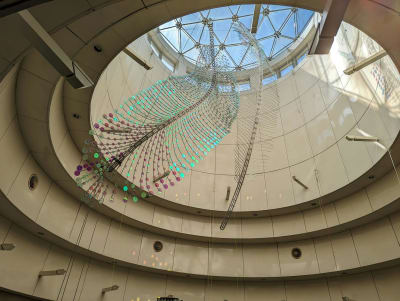
The scent of fresh paint and ambition now fills what was once the echoing silence of the American Legion Post on East Side Highway. This transformation, spearheaded by seasoned arts entrepreneurs Patti Wray and Lucy Wright, is not merely about repurposing a building; it’s a deliberate attempt to cultivate a fertile ground for artistic expression in a region looking to bolster its cultural landscape. Their vision for the East Side Venue is rooted in a successful prior endeavor, where they revitalized a derelict structure in Norfolk, proving that dedicated spaces can be powerful catalysts for community and creativity. This new venture aims to replicate that alchemy just outside Waynesboro city limits. Wray and Wright bring a wealth of experience from their Norfolk project, a testament to their belief in providing artists with the freedom to experiment. "We learned in Norfolk that when you give artists a place to experiment, connect, and take risks, the work – and the community – grow together," Wray stated, articulating the core philosophy driving East Side Venue. This isn't just about providing a stage; it's about fostering an ecosystem where nascent ideas can flourish and established artists can push boundaries. The initial open house, designed as a 'working introduction,' invited artists, educators, performers, and community organizations not just to see the space, but to actively envision its potential through collaborative partnerships. The strategy behind the open house was intentionally inclusive. More than a simple tour, it was an immersive experience designed to solicit input and build buy-in from the very people who will animate the venue. Participants were encouraged to explore possibilities for performances, workshops, and a diverse range of programming. Wright emphasized the critical importance of intentional environmental design, stating, “We want this to be a space where people feel welcome the moment they walk in.” This welcoming atmosphere, they believe, is fundamental to encouraging participation and ensuring that East Side Venue becomes a true community asset, accessible and inviting to all, whether they are creators or consumers of art. Data from similar revitalized arts districts suggests a significant economic multiplier effect. Cities that invest in arts infrastructure often see a corresponding increase in tourism, local business patronage, and property values. While specific figures for the Waynesboro area are still emerging, the Norfolk precedent set by Wray and Wright demonstrated a tangible return on investment, attracting new residents and businesses drawn to a vibrant cultural scene. The success of venues like the Chrysler Museum of Art's recent expansion, which has seen attendance figures rise by over 15% in the last fiscal year, underscores the public's appetite for accessible, high-quality arts experiences. The social media reaction to the East Side Venue announcement has been largely positive, with local community groups and artists expressing excitement about a dedicated space for creative development. Hashtags like #WaynesboroArts and #EastSideVenue are trending on local social media platforms, showcasing a groundswell of anticipation. However, some online discussions have raised questions about accessibility and affordability for emerging artists, a common concern with new arts initiatives. Wray and Wright have acknowledged these concerns, promising a tiered pricing structure for rentals and a significant portion of programming dedicated to free or low-cost community events. This development presents clear beneficiaries. Artists, particularly those in the early to mid-stages of their careers, stand to gain access to professional facilities and a supportive network. Local businesses, from restaurants to shops near the venue, can anticipate increased foot traffic. The Waynesboro community as a whole could see an enhanced cultural reputation and a more engaged citizenry. Conversely, those who might lose out are entities that previously held monopolies on arts programming or those who benefit from a less culturally vibrant local scene. Developers looking to acquire undervalued property without the cultural draw of a thriving arts hub might also see their investment calculus shift. Chris Graham, founder and editor of Augusta Free Press, noted in a recent commentary that the success of such venues often hinges on deep community integration. "It's not enough to just open the doors; you have to actively weave the venue into the fabric of daily life," Graham observed, highlighting the need for sustained engagement beyond the initial launch. His perspective, informed by years of observing regional development, suggests that the long-term viability of East Side Venue will depend on its ability to consistently attract diverse audiences and foster meaningful collaborations with local institutions, including schools and existing arts councils. The coming months will be crucial. East Side Venue’s opening month features a series of launch activities, culminating in a public celebration later in May. This period will set the tone for a full season focused on new work and artistic development. The true measure of success will be in the sustained engagement of artists and the community, the quality and diversity of the programming, and the venue's ability to become an indispensable part of Waynesboro's cultural identity. What unfolds next will be closely watched by arts advocates and economic development officials alike, as East Side Venue embarks on its ambitious mission to redefine the creative landscape of the region.
In Brief
A derelict American Legion hall is being transformed into a vibrant arts venue by experienced entrepreneurs, aiming to revitalize Waynesboro's cultural scene and provide a crucial platform for local artists.Advertisement



Comments
No comments yet. Be the first to comment!