
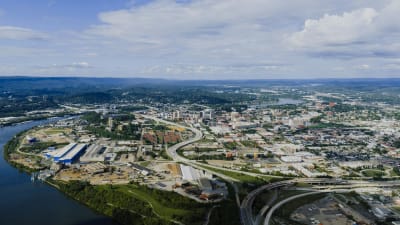
“The disconnect between what elected officials are doing and what their constituents actually want is widening into a chasm,” stated Dr. Evelyn Reed, a political science professor at Vanderbilt University, in a recent interview. This sentiment echoes across Tennessee as a vocal segment of the electorate expresses deep dissatisfaction with the direction of state and federal politics, particularly concerning representation in Knoxville and broader legislative actions. The frustration isn't abstract; it's rooted in specific policy debates and legislative maneuvers that many Tennesseans feel do not reflect their values or address their pressing needs. From contentious school board decisions impacting curriculum to state-level legislation that some critics label as overly restrictive, a palpable sense of being unheard is taking hold. This discontent is amplified by the perception that a narrow ideological agenda is being prioritized over the diverse interests of the state’s population, leading to a feeling of disenfranchisement among those who believe their voices are being systematically ignored. Data from recent public opinion polls, while not always definitive, suggest a growing unease. A survey conducted by the Tennessee Democratic Party following the last legislative session indicated that over 60% of respondents felt their elected officials were out of touch with their communities. While this is a partisan poll, the underlying sentiment of disconnect has been observed in broader, non-partisan analyses as well, pointing to a potential erosion of trust in the political process itself. The sheer volume of constituent emails and calls to legislative offices, many of which go unanswered or are met with boilerplate responses, further fuels this perception of neglect. The social media sphere has become a significant amplifier of this dissent. Platforms like X (formerly Twitter) and Facebook are awash with discussions, memes, and shared articles highlighting perceived legislative overreach and misrepresentation. Hashtags like #TNPolitics and #RepresentUsTN trend periodically, showcasing shared grievances and organizing calls for action. While social media can foster echo chambers, the sustained and widespread engagement on these issues suggests a genuine and widespread public outcry, not merely a niche complaint. Online petitions demanding accountability have garnered thousands of signatures, demonstrating a tangible, albeit digital, form of civic participation. Economically, this political climate can have subtle yet significant ripple effects. Uncertainty regarding future legislation, especially around issues like education funding or business regulations, can deter investment. Furthermore, a populace feeling unrepresented may be less inclined to engage in civic activities or volunteer for initiatives, potentially weakening the social fabric that supports local economies. The energy and innovation that come from a engaged citizenry can be stifled when people feel their participation is futile. Community leaders and grassroots organizers are increasingly stepping into the vacuum, attempting to bridge the gap between constituents and their representatives. Groups in Knoxville and other urban centers are holding town hall meetings, organizing voter registration drives, and providing educational resources to help citizens understand legislative processes and identify candidates who align with their priorities. These efforts aim to empower voters and foster a more informed and active electorate, challenging the status quo of political engagement. Stakeholder views are sharply divided. Those in legislative leadership often defend their actions as necessary for upholding core principles or responding to the will of a significant portion of their constituents. They may point to election results as validation of their mandates. Conversely, advocacy groups representing a broad spectrum of interests – from civil liberties organizations to education reform coalitions – consistently voice opposition, arguing that current policies are harmful and unsustainable. Their counter-arguments often highlight the long-term societal costs of short-sighted legislative decisions. The immediate future will likely see continued calls for greater transparency and responsiveness from elected officials. The intensity of public engagement, particularly online, suggests that this is not a fleeting moment of discontent. Watch for organized efforts to recall underperforming representatives, the rise of new advocacy organizations focused on specific policy areas, and increased pressure on candidates in upcoming elections to articulate clear visions for representation that go beyond partisan talking points. The question remains whether this vocal frustration will translate into meaningful political change or if the chasm will continue to widen.
In Brief
Tennessee voters are voicing growing frustration over political representation, demanding greater accountability from their elected officials. This dissatisfaction spans policy, perceived neglect, and a widening disconnect.Advertisement




Comments
No comments yet. Be the first to comment!