
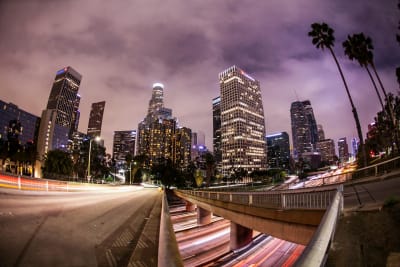
"The dichotomy of aspirational living and precarious existence is the defining tension of our era, particularly in major cultural hubs," observes Dr. Anya Sharma, a sociologist specializing in urban displacement. "When a narrative like 'Angel City' emerges, it doesn't just tell a story; it reflects a societal fault line that many choose to ignore." Noel Braham's debut feature, 'Angel City,' arriving on the global stage, is more than just a film about an aspiring actor. It's a stark, unflinching look at the intensifying housing crisis in Los Angeles, experienced through the eyes of a rideshare driver grappling with the specter of homelessness. The narrative delves into the profound disconnect between the glittering facade of Hollywood and the harsh realities faced by those striving to survive within its orbit, highlighting how the pursuit of a dream can intersect with the most basic human need for shelter. This film arrives at a moment of heightened awareness regarding economic disparities and the gig economy's often-unseen costs. As more individuals rely on flexible but unstable work, the vulnerability to sudden financial shocks—like job loss or unexpected expenses—becomes a pervasive anxiety. 'Angel City' makes this invisible struggle visible, illustrating how the relentless pressure to maintain appearances, particularly online, can mask a desperate fight for stability. The film confronts the uncomfortable truth that even in a city built on dreams, the foundation of those dreams can crumble under the weight of economic precarity. The ensemble cast, featuring veteran actors like Tonya Pinkins and Chris Kattan alongside emerging talents and even a former NFL star Dwight Hicks, brings a diverse range of experiences to the screen. This casting choice itself underscores the film's thematic breadth, suggesting that the pressures of ambition and economic insecurity are not confined to a single demographic. The inclusion of individuals from various backgrounds amplifies the film's message, portraying a shared vulnerability that transcends professional aspirations and touches upon the universal human desire for security and belonging. Social media plays a critical, and often ironic, role in the protagonist's journey. His carefully curated online persona stands in stark contrast to his deteriorating living situation. This narrative device mirrors a real-world phenomenon where individuals, particularly those in creative fields or the gig economy, feel compelled to project an image of success and stability online, regardless of their actual circumstances. The public reaction to such themes often oscillates between empathy and a chilling recognition of their own potential vulnerability, sparking conversations about the authenticity of online identities and the societal pressures that drive them. Braham’s personal connection to the material is palpable; the film draws directly from his own experiences of housing insecurity when he first moved to Los Angeles in 2013. He recalls observing a production assistant sleeping in a tent encampment between shooting days, a stark image that fueled his desire to expose the hidden struggles of the city. This lived experience imbues 'Angel City' with an authenticity that resonates deeply, transforming it from a fictional narrative into a powerful social commentary born from firsthand observation of "the city beneath the city." Comparisons are inevitable to Braham’s Emmy-nominated short film, 'Watchtower,' which explored similar themes of artistic ambition and struggle. However, 'Angel City' expands upon this foundation, offering a more expansive and nuanced examination of systemic issues. The film’s dramatic odyssey, laced with comedic undertones, provides a cathartic yet critical lens on the sacrifices made in the pursuit of passion, challenging audiences to consider the true cost of chasing a dream in a city that commodifies aspiration. Looking ahead, 'Angel City's' presence at the Cannes Market signifies a growing interest in independent films that tackle pressing social issues with artistic integrity. The film’s success could pave the way for more stories that expose the often-unseen struggles of everyday people in hyper-aspirational environments. Audiences and industry professionals alike will be watching to see how this independent production, born from personal struggle and a desire for visibility, resonates globally and sparks further dialogue about the precarious foundations upon which many modern dreams are built.
In Brief
Debut film 'Angel City' uses a rideshare driver's pursuit of acting fame to expose the harsh realities of housing insecurity and the cost of chasing dreams in Los Angeles.Advertisement



Comments
No comments yet. Be the first to comment!