
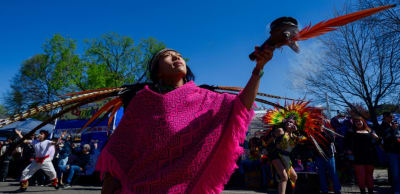
This year's Cinco de Mayo festivities in St. Paul's West Side are unfolding against a backdrop of renewed community pride and lingering unease, with approximately 130 food and craft vendors lining Cesar Chavez Street. The annual celebration, a cornerstone of the city's vibrant Latino and Mexican-American heritage, marks a significant return to form following a period of heightened federal immigration enforcement. Organizers, led by West Side Fiestas, have meticulously curated a two-day experience designed to showcase the resilience and cultural richness of the community, transforming familiar streets into a dynamic canvas of music, food, and tradition. The event kicked off with a spirited 10 a.m. parade, a visual spectacle that set the tone for the weekend's celebrations. Following the procession, three distinct entertainment stages sprang to life, offering a diverse lineup of local talent. From traditional folk performances on the cultural stage to contemporary R&B and pop acts on the main stage, the programming aimed to resonate with a broad audience. This deliberate focus on local artists, rather than relying on out-of-town headliners, underscores a commitment to amplifying homegrown talent and fostering a deeper connection within the community. The inclusion of a family zone and a lively beer garden further diversified the offerings, ensuring an engaging experience for all ages. A notable shift this year is the festival's condensed footprint, with the main street fair now occupying Cesar Chavez Street between Robert and Ada streets, including the central hub of Parque Castillo. This strategic adjustment, according to Joe Ruiz, communications director for West Side Fiestas, was a conscious decision that also addressed logistical considerations. While last year's event stretched further and drew an estimated 30,000 attendees, this year's more focused layout encourages a concentrated celebration, potentially fostering a more intimate and impactful experience for those who attend. The shadow of the federal "Operation Metro Surge" immigration crackdown looms large over this year's festivities. The operation, which disproportionately targeted Latino communities, created an atmosphere of anxiety and uncertainty. However, it also galvanized strong solidarity efforts within these neighborhoods. The decision to proceed with a robust Cinco de Mayo celebration can be interpreted as an act of defiance and a powerful affirmation of cultural identity in the face of external pressures. It represents a collective decision by the community to reclaim public space and celebrate their heritage openly, despite the recent climate of fear. This year's festival is resonating particularly strongly due to the juxtaposition of vibrant cultural expression against the recent anxieties surrounding immigration enforcement. For many, the event is not just a celebration of Mexican heritage but a tangible demonstration of community strength and unity. The shared experience of navigating challenging times and emerging with a renewed sense of pride has imbued this year's fiesta with a deeper significance, transforming it from a mere annual gathering into a testament to collective resilience and cultural perseverance. Expert perspectives highlight the symbolic importance of such cultural events in marginalized communities. Dr. Elena Rodriguez, a sociologist specializing in urban cultural studies, notes that "festivals like these serve as vital counter-narratives, actively pushing back against stigmatization and reclaiming public discourse. They are not just about revelry; they are about visibility and validation." The shift towards local performers and vendors also reflects a broader trend of community self-sufficiency and empowerment, fostering economic opportunities within the West Side itself. The implications for the future are multifaceted. In the short term, the success of this year's more contained event may influence future planning, potentially leading to a more sustainable and community-focused model. The visible solidarity displayed during and in response to the ICE crackdown suggests a strengthened community infrastructure, which could translate into greater political and social capital for the West Side. Long-term, the festival's ability to adapt and thrive amidst adversity could serve as a model for other communities facing similar challenges. Looking ahead, attention will be on how the West Side community continues to leverage the momentum generated by this year's celebration. The sustained engagement of local businesses, community organizations, and residents in planning and participating in future events will be crucial. Furthermore, how the city and federal government respond to the community's demonstrated unity and cultural pride in the wake of the enforcement actions will be a significant indicator of future inter-community relations and policy directions.
In Brief
St. Paul's West Side embraces its cultural heritage with a vibrant Cinco de Mayo festival, celebrating resilience amidst recent federal immigration enforcement actions.Advertisement



Comments
No comments yet. Be the first to comment!