
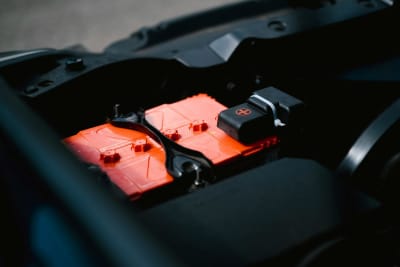
A seismic shift is underway in the construction and waste management sectors, with a new electric soil improvement machine poised to redefine operational efficiency and environmental responsibility. Nakayama Iron Works' NE100MG, a powerful piece of industrial equipment, is now operating entirely on electricity, a move made possible by the integration of ProLogium's cutting-edge solid-state battery technology. This development signals a significant leap forward, moving away from traditional diesel-powered machinery that has long been a major contributor to noise pollution and greenhouse gas emissions on job sites. The NE100MG is designed to tackle a critical environmental challenge: the repurposing of vast quantities of excavated soil and other industrial waste materials. Through sophisticated processes of screening, crushing, and mixing, the machine transforms these byproducts into high-quality, usable soil. This capability is crucial for reducing the need for landfill space and minimizing the environmental impact associated with soil disposal and the sourcing of new fill materials. The adoption of an all-electric powertrain, according to Nakayama Iron Works, was a deliberate choice aimed at optimizing lifecycle costs, encompassing everything from initial purchase and ongoing fuel savings to reduced maintenance demands and eventual disposal. Why this transition matters now cannot be overstated. Global demand for batteries is projected to skyrocket, expected to quadruple to 4,100 gigawatt-hours by 2030, according to Bain & Company. A significant portion of this surge is fueled by the electrification of heavy-duty industrial equipment. As regulatory pressures mount and environmental consciousness grows, industries are actively seeking sustainable alternatives to fossil fuel-dependent machinery. The NE100MG's electric drive system not only aligns with this broader trend but also offers tangible benefits in terms of improved power energy efficiency and faster diagnostic responses when operational issues arise, as highlighted by company officials. At the heart of this transformation lies ProLogium's innovative solid-state battery. Unlike conventional lithium-ion batteries, solid-state technology utilizes a solid electrolyte, which significantly enhances safety by reducing the risk of thermal runaway and fire. This advanced battery chemistry delivers a compelling balance of high energy density, rapid charging capabilities, and reliable performance even in challenging low-temperature environments. The integration of such robust energy storage solutions is key to enabling heavy machinery to operate effectively for extended periods without compromising on power or safety, moving beyond the limitations of earlier battery technologies. The benefits extend to operational management as well. The NE100MG is equipped with ProLogium's N-Link IoT remote management system and Green Box data collection device. These integrated systems allow for real-time monitoring of the machine's status, precise identification of the root causes of any abnormalities, and efficient tracking of component replacement histories. This level of data-driven insight streamlines maintenance, minimizes downtime, and ultimately enhances the overall productivity and reliability of the equipment, providing a clear advantage for operators. The implications for the construction industry are profound. For decades, heavy machinery has been a significant source of air and noise pollution. The widespread adoption of electric alternatives like the NE100MG could lead to healthier, quieter work environments and a substantial reduction in the carbon footprint of infrastructure projects. This shift not only benefits the immediate surroundings of construction sites but also contributes to larger climate goals by reducing reliance on fossil fuels and mitigating emissions. While the NE100MG represents a significant step, the broader adoption of electric heavy machinery faces challenges. The initial cost of these advanced machines and the availability of robust charging infrastructure on job sites are key considerations. Furthermore, the development and scaling of battery production, particularly for specialized solid-state batteries, need to keep pace with projected demand. Continued research and investment in battery materials, as noted in the "Combined Heating Cooling Power Handbook," are crucial for improving economic performance and wider applicability. This collaboration between Nakayama Iron Works and ProLogium serves as a powerful case study for the future of industrial electrification. It demonstrates that high-performance, environmentally responsible heavy machinery is not a distant aspiration but a present reality. The success of this integrated system will likely inspire further innovation and investment across the sector, accelerating the transition towards a more sustainable and efficient industrial landscape. What remains to be seen is how quickly this model can be replicated and scaled across different types of construction and heavy equipment.
In Brief
Nakayama Iron Works' new electric soil improvement machine, powered by ProLogium's advanced solid-state batteries, is set to revolutionize construction with its efficiency and environmental benefits. This innovation marks a significant step towards reducing pollution and optimizing waste management in the industry.Advertisement





Comments
No comments yet. Be the first to comment!