
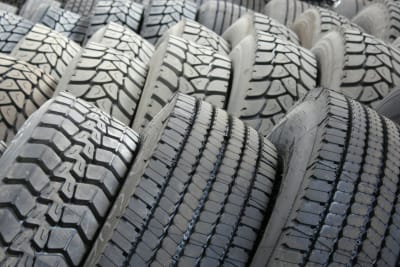
The narrative that recycling is merely an altruistic act, a nice-to-do rather than a must-do, crumbles under the weight of emerging corporate realities. Companies are increasingly discovering that robust environmental stewardship isn't just about public relations; it's becoming a fundamental pillar of operational efficiency, risk management, and long-term financial viability. Liberty Tire Recycling’s latest disclosures offer a compelling case study, revealing a strategic integration of sustainability that goes far beyond the typical corporate greenwashing, suggesting a deeper shift in how established industries are approaching their environmental footprints. This transformation is particularly evident in Liberty's latest reporting, which moves beyond simple metrics to articulate a clear connection between its recycling operations and tangible business benefits. The company’s 2025 Sustainability Report, coupled with its inaugural Climate Risk & Resilience Report aligned with the TCFD framework, signals a mature understanding that environmental challenges are intrinsically linked to financial performance. This isn't about a company *doing* good; it's about a company *being* good at its core business because of its environmental practices. The data itself paints a picture of deliberate progress. In 2025, Liberty reported a significant 6% reduction in location-based Scope 2 emissions and a 10% decrease in market-based emissions, achievements driven by enhanced energy, fuel, and resource management. Furthermore, an 8% improvement in energy intensity underscores a more efficient operational model. These aren't minor tweaks; they represent substantial gains in resource optimization, which directly translate to cost savings and a more resilient supply chain in an era of volatile energy prices. Beyond emissions, the core of Liberty's circular economy model is its impressive 81% utilization rate for the 219 million tires collected. This figure highlights a sophisticated process of diverting materials from landfills into beneficial reuse applications, demonstrating that waste can indeed become a valuable resource. Such a high utilization rate suggests that the company has honed its processes to extract maximum value from discarded tires, thereby minimizing waste and maximizing output, a direct win for both the environment and the bottom line. The company’s commitment extends to its people and the communities it serves. A 11% reduction in the Lost Time Injury Rate (LTIR) and a 9% relative decrease in employee turnover in 2025 point to improved workplace safety and employee retention. These are critical indicators of a healthy, well-managed organization, suggesting that a focus on sustainability also fosters a more stable and productive workforce. The over $216,000 donated to charitable initiatives further illustrates a broader social responsibility commitment. Perhaps most striking is the introduction of the Climate Risk & Resilience Report. By formally assessing and integrating climate-related risks and opportunities into its strategic planning, Liberty is proactively positioning itself against future disruptions. This forward-thinking approach acknowledges that climate change poses not just environmental threats but also significant business risks, from supply chain disruptions to regulatory changes. Addressing these proactively is a sign of robust corporate governance and a commitment to enduring success. Public and social media reactions to such disclosures often oscillate between skepticism and cautious optimism. While some may question the true impact of corporate reporting, Liberty's consistent performance metrics, coupled with external recognitions like an EcoVadis Bronze rating (placing them in the top third of assessed companies) and a Recircle Award for Circular Economy Innovation, lend credibility to their claims. These accolades suggest that their sustainability efforts are not merely internal declarations but are validated by industry standards and peer review. This narrative compels readers to re-evaluate their own consumption and disposal habits, and to demand greater transparency from companies they support. It serves as a powerful reminder that consumer choices, coupled with corporate accountability, can drive meaningful environmental progress. The action inspired should be one of informed engagement – supporting businesses that demonstrate genuine commitment to sustainability and holding others to account for their environmental impact. Looking ahead, the key will be Liberty's ability to maintain and accelerate this progress, particularly as regulatory landscapes evolve and consumer expectations continue to rise. Investors and environmental advocates will be watching closely to see if these reported improvements translate into sustained operational excellence and continued innovation in tire recycling and resource management, especially as the company navigates the complexities of global supply chains and the increasing urgency of climate action.
In Brief
Liberty Tire Recycling's latest reports reveal a strategic integration of sustainability into its core business, showcasing operational efficiency and risk management beyond traditional environmental efforts.Advertisement





Comments
No comments yet. Be the first to comment!