
The Numbers
- Over 700 days of intense conflict have resulted in an estimated tens of thousands of civilian casualties, with millions displaced from their homes, creating a profound humanitarian crisis that continues to escalate with each passing day.
- Military expenditures by key belligerents have soared into the hundreds of billions of dollars, diverting critical resources from domestic needs and contributing to global economic instability, with no clear end in sight to this costly engagement.
- The number of active combatants on both sides is estimated to be in the hundreds of thousands, a massive mobilization that has significantly impacted national demographics and labor forces, straining social structures and future economic potential.
- International aid packages pledged to Ukraine now exceed $200 billion, a testament to global solidarity but also a stark indicator of the immense economic burden required to sustain the nation's defense and eventual reconstruction efforts.
- The volume of displaced persons, both internally and externally, has surpassed 14 million globally, representing one of the largest forced migrations in recent history and posing significant challenges for host countries and international aid organizations.
- Key infrastructure damage, including residential buildings, energy facilities, and transportation networks, is estimated to be in the hundreds of billions of dollars, necessitating a monumental and long-term rebuilding effort once hostilities cease.
Context Check
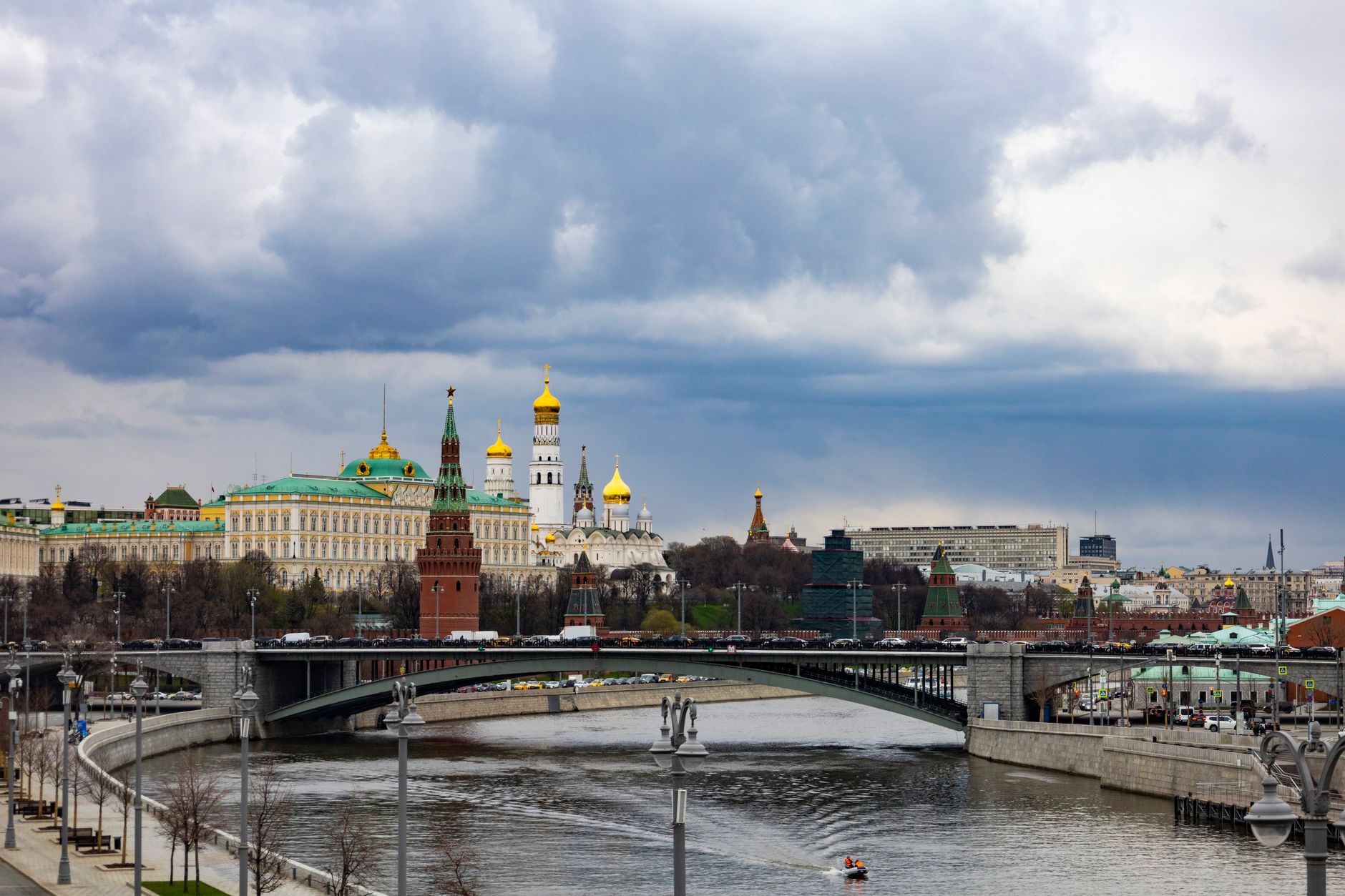
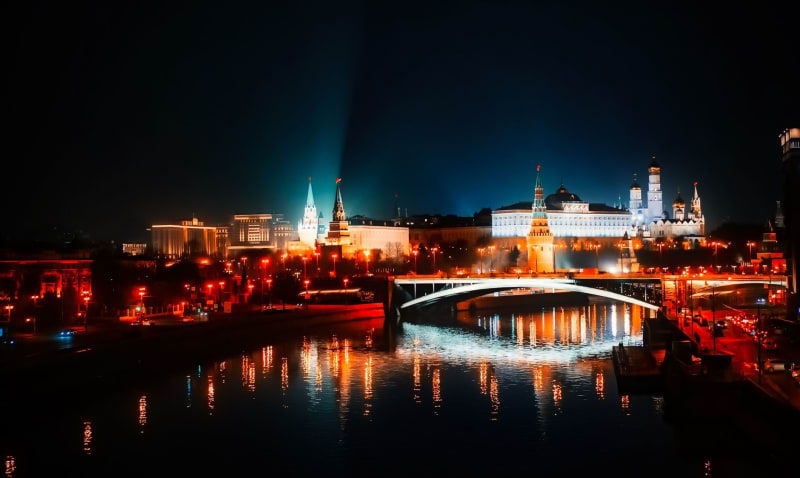
The recent high-profile conference, ostensibly focused on global security and economic cooperation, has inevitably become a focal point for discussions surrounding the protracted conflict in Ukraine. While official agendas may steer clear of direct war-related pronouncements, the mere gathering of international players, including those with divergent interests, creates an environment ripe for diplomatic maneuvering and subtle signaling. The Kremlin's decision to host such an event, especially amidst ongoing hostilities, suggests a strategic intent to project an image of stability and control, while simultaneously probing for opportunities to shape the narrative and potentially gauge international appetite for a resolution on its terms. However, the efficacy of such a conference in genuinely advancing peace prospects remains highly questionable, given the deep-seated mistrust and the fundamental disagreements that continue to define the geopolitical landscape surrounding the war.
Examining the broader geopolitical context reveals a complex web of alliances, rivalries, and economic dependencies that are all being tested and reshaped by the conflict. Major global powers are navigating a delicate balance between supporting Ukraine, managing domestic economic pressures exacerbated by sanctions and supply chain disruptions, and avoiding direct military confrontation. The conference, therefore, serves not only as a platform for discussing regional security but also as a proxy arena where these larger power dynamics are implicitly at play. Any perceived shifts in rhetoric or subtle diplomatic overtures emanating from the event could be interpreted as indicators of evolving strategies or potential concessions, yet they must be weighed against the entrenched positions of the primary belligerents and the broader international community's commitment to Ukraine's sovereignty.
Furthermore, the internal political landscapes of the involved nations significantly influence the possibilities for de-escalation or resolution. Domestic audiences, economic conditions, and leadership imperatives all play a crucial role in shaping foreign policy decisions. A conference of this magnitude, even if not explicitly about Ukraine, can become a barometer for domestic political winds and the perceived strength or vulnerability of leadership. The timing and nature of such gatherings are rarely coincidental, often serving to reinforce a particular national narrative or to preemptively counter external narratives. Understanding these internal dynamics is essential for accurately interpreting any signals, however veiled, that might emerge regarding the future trajectory of the conflict.
Background
The roots of the current conflict run deep, intertwined with historical grievances, geopolitical ambitions, and security concerns that have festered for decades. Following the dissolution of the Soviet Union, Ukraine's pursuit of closer ties with Western institutions like NATO and the European Union was viewed with increasing alarm by Moscow, which perceived it as an existential threat to its sphere of influence and security. Russia's annexation of Crimea in 2014 and its subsequent backing of separatists in eastern Ukraine marked a significant escalation, shattering the post-Cold War security order and setting the stage for the full-scale invasion launched in February 2022. This historical trajectory underscores that the current war is not an isolated incident but rather the culmination of long-standing tensions and unresolved issues.
The full-scale invasion in 2022 dramatically altered the scale and intensity of the conflict, triggering widespread international condemnation and unprecedented sanctions against Russia. Ukraine, bolstered by significant military and financial aid from a coalition of Western allies, mounted a fierce resistance, repelling initial advances on Kyiv and launching counteroffensives in subsequent years. The war has since devolved into a grinding conflict characterized by positional warfare, artillery duels, and significant human cost on both sides. The objectives of the initial invasion have been scaled back, but the fundamental dispute over Ukraine's territorial integrity and its geopolitical orientation remains at the heart of the ongoing hostilities.
Throughout this period, diplomatic efforts to find a lasting peace have repeatedly faltered, hampered by maximalist demands, a lack of trust, and the shifting battlefield dynamics. While various mediation attempts have occurred, none have yielded a sustainable ceasefire or a framework for a comprehensive peace agreement. The current stalemate, coupled with the immense human suffering and economic disruption, creates a persistent pressure for some form of resolution, yet the fundamental obstacles to achieving one remain formidable, making any discussion of an impending end to the war highly speculative.
Winners and Losers
Identifying clear winners and losers in a conflict as devastating and multifaceted as the war in Ukraine is inherently complex and often premature. However, certain actors and trends have emerged that suggest potential beneficiaries and those facing profound setbacks. On one hand, the collective security alliance of NATO has arguably been revitalized, experiencing renewed unity and purpose, with member states increasing defense spending and Finland and Sweden seeking membership, demonstrating a significant geopolitical shift driven by Russian aggression. Defense contractors globally have also seen a surge in orders and stock valuations as nations replenish and modernize their arsenals, indicating a clear economic win for the military-industrial complex.
Conversely, Russia faces significant long-term economic repercussions due to extensive international sanctions, technological isolation, and the brain drain of skilled professionals seeking opportunities elsewhere, alongside immense human and material losses. Ukraine, despite its courageous resistance and substantial international support, has suffered catastrophic damage to its infrastructure, economy, and population, with the human toll being immeasurable and the path to recovery dauntingly long. The global South, while not directly involved militarily, is experiencing negative spillover effects in terms of food security, energy prices, and economic instability, making them de facto losers in a conflict that diverts global attention and resources.
The international order itself could be considered a loser, as the conflict has exposed deep fissures in global governance, undermined international law, and increased geopolitical fragmentation. The erosion of trust between major powers and the potential for further escalation create an environment of heightened uncertainty and risk for all nations. While some nations might temporarily benefit from shifting trade patterns or geopolitical realignments, the overarching impact of such a protracted and destructive conflict is a net loss for global stability, cooperation, and prosperity, leaving a legacy of division and unresolved grievances.
Analyst Perspectives
Many international relations experts view the current situation with deep skepticism regarding any imminent end to the conflict, emphasizing that the underlying strategic objectives of the primary belligerents remain largely unaddressed. They point to Russia's continued insistence on security guarantees and its refusal to cede territory it claims, juxtaposed with Ukraine's unwavering commitment to restoring its full territorial integrity and sovereignty, as fundamental impediments to meaningful negotiations. The consensus among many analysts is that any peace conference or diplomatic initiative, unless it fundamentally alters these core positions, is unlikely to produce a breakthrough, serving more as a forum for signaling or propaganda than for substantive conflict resolution.
Furthermore, analysts highlight the critical role of external support in sustaining the war effort on both sides. The flow of Western military and financial aid to Ukraine is seen as crucial for its ability to continue resisting Russian advances, while Russia's capacity to withstand sanctions and maintain its military operations is attributed to its significant energy revenues and a resilient, albeit strained, domestic economy. Consequently, any shift in the level or nature of this external support could dramatically alter the battlefield dynamics and potentially create new openings for negotiation, but predicting such shifts is fraught with uncertainty. The focus remains on the long game, with many experts anticipating a protracted conflict rather than a swift resolution.
The geopolitical implications extend far beyond the immediate battlefield, with analysts warning of a potential long-term division of Europe and a resurgence of Cold War-like tensions. The conference, in this view, might be an attempt by Russia to consolidate its influence within certain spheres and to test the resolve of Western alliances. The prevailing sentiment is that while the desire for peace is universal, the conditions for achieving it are not yet ripe, and any discussion of an 'end' to the war must be tempered by a realistic assessment of the entrenched interests and the immense challenges that lie ahead.
Key Questions Explained
The Outlook
The path forward remains fraught with uncertainty, and the possibility of a swift resolution to the conflict appears remote. The ongoing military stalemate, coupled with deeply entrenched political positions, suggests that the war is likely to continue its grinding trajectory for the foreseeable future. Any diplomatic initiatives, including those potentially discussed or influenced by events like the recent conference, must contend with the fundamental challenge of bridging the vast chasm between Russia's demands and Ukraine's non-negotiable right to sovereignty and territorial integrity. The international community's sustained commitment to supporting Ukraine will be crucial in shaping the dynamics on the ground and influencing the eventual terms of any potential settlement.
Economically, the world will continue to grapple with the repercussions of the conflict, including volatile energy prices, disrupted supply chains, and persistent inflation. The immense cost of reconstruction for Ukraine looms large, requiring sustained international cooperation and significant financial investment. For Russia, the long-term impact of sanctions and international isolation poses a significant challenge to its economic development and technological advancement, potentially leading to prolonged stagnation unless a significant geopolitical shift occurs. The global economic order continues to adapt to this new reality, with nations reassessing dependencies and seeking greater resilience.
Geopolitically, the conflict has accelerated a realignment of global power dynamics, fostering a more fragmented and potentially confrontational international environment. The renewed strength and unity within NATO stand in contrast to the strained relations between Russia and the West, creating a complex web of alliances and rivalries. The long-term implications for global security architecture remain to be seen, but it is clear that the post-Cold War era of relative stability has been irrevocably altered, necessitating a continuous re-evaluation of diplomatic strategies and security postures worldwide.

















Comments
No comments yet. Be the first to comment!