

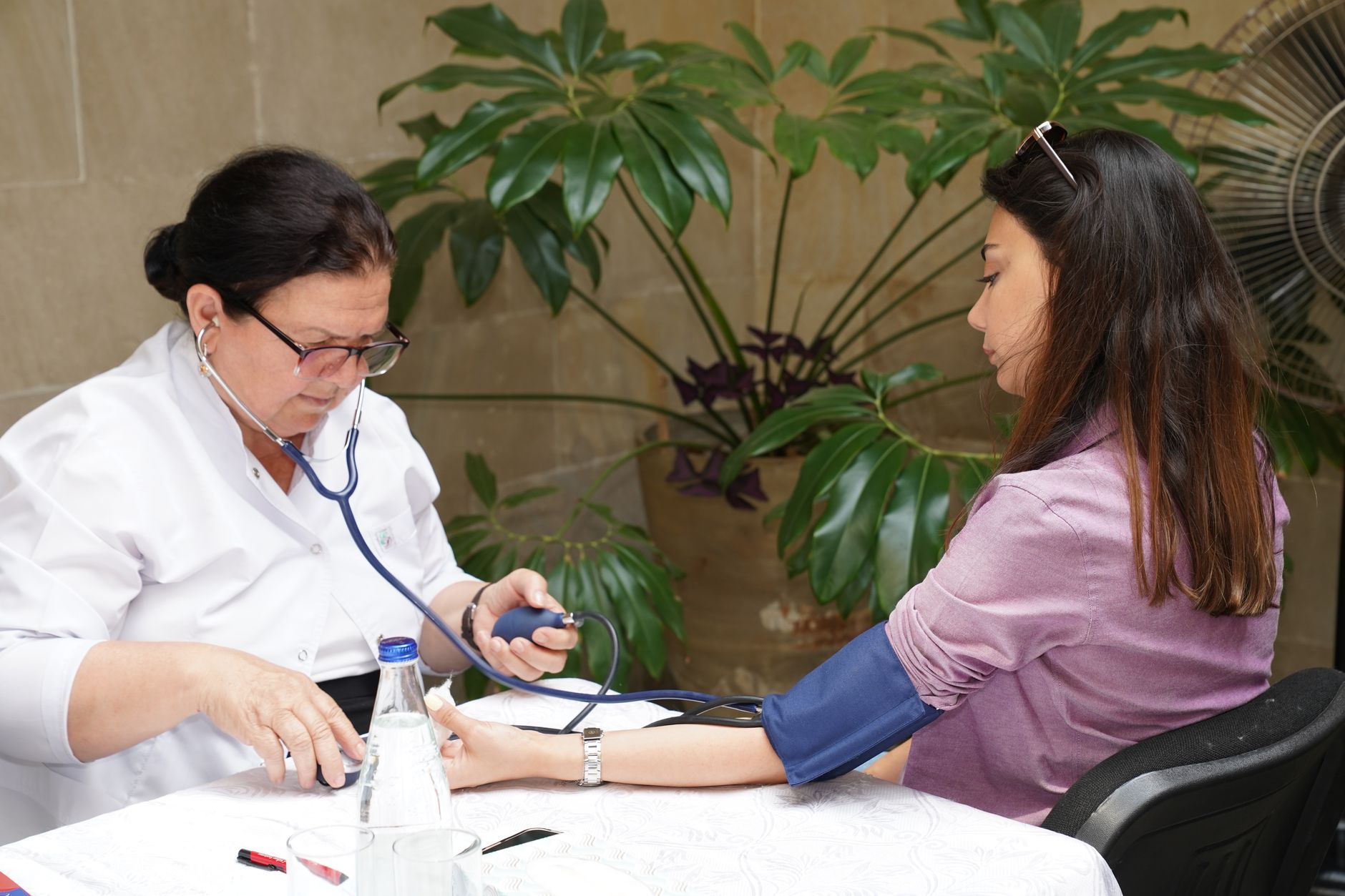
The notion that age is merely a number, especially for a leader in the nation's highest office, is facing its most rigorous test yet. President Donald Trump's recent, unusually lengthy medical examination at Walter Reed National Military Medical Center has thrust the perennial question of executive fitness back into the spotlight, forcing a national conversation that extends far beyond routine health checks. This isn't the first time the president's physical well-being has been a subject of public interest. Historically, presidential health has often been a closely guarded secret, with administrations sometimes going to great lengths to shield the public from potentially damaging information. Think of Woodrow Wilson's incapacitation after a stroke, largely hidden from public view, or John F. Kennedy's struggles with Addison's disease, which remained largely undisclosed during his presidency. This tradition of opacity, while understandable from a privacy standpoint, invariably fuels speculation and anxiety when a leader's capacity is called into question. Now, with the president's recent three-hour-plus visit, the usual protocols for medical updates appear to have been deliberately altered, or at least extended. While official statements characterized the event as a routine, albeit comprehensive, physical, the sheer duration of the appointment has raised eyebrows among medical professionals and political observers alike. The White House has offered little beyond assurances that the president remains fit for duty, yet the extended time spent undergoing evaluation suggests a depth of examination that goes beyond a standard annual check-up. This specific examination occurred during a period where concerns about the president's stamina and cognitive acuity have been amplified by a demanding campaign schedule and the relentless pressures of the presidency. His age, 79, places him in a demographic with statistically higher risks for certain health conditions, and any perceived decline in vigor is immediately scrutinized by a public eager to assess leadership capacity. The president himself has often spoken of his own robust health and energy, a stark contrast to the prolonged medical scrutiny he recently underwent. The resonance of this story right now is tied to a confluence of factors. The upcoming election cycle demands voters consider not just policy platforms, but the fundamental ability of candidates to withstand the immense physical and mental toll of the presidency for the next four years. Furthermore, the ongoing global crises, from economic instability to public health challenges, require a leader operating at peak capacity. The extended medical visit, regardless of its outcome, serves as a tangible, if opaque, marker in this ongoing assessment. The broader societal implications are profound. The presidency is not just a political office; it is a symbol of national strength and stability. Any doubt cast upon the leader's health, whether founded or unfounded, can ripple through markets, affect international relations, and impact public morale. The conversation also touches upon our collective anxieties about aging and the diminishing capacity that often accompanies it, projected onto the person holding the nation's most powerful office. Specific details are scarce, but reports indicate that comprehensive neurological and cardiovascular assessments are standard components of such extensive evaluations. For instance, a presidential physical can involve dozens of individual tests, ranging from blood work and imaging to stress tests and specialized consultations, often far exceeding the scope of a civilian executive's annual check-up. The duration of Tuesday's visit suggests a thoroughness that prompted further investigation. What remains to be seen is how this event will shape public perception and influence political discourse moving forward. Will the White House release more detailed information, or will the opacity continue? The public's demand for transparency regarding the health of its leaders is a constant tension, and this latest episode has only intensified that debate. Observers will be watching for any subtle shifts in the president's public appearances, his energy levels during debates or rallies, and any further medical updates that might emerge, all in an effort to gauge his fitness for the immense responsibilities he carries. The next steps to watch will involve the administration's communication strategy regarding the president's health. Any further public appearances, campaign trail stamina, or official statements will be dissected for clues. The opposition's response, and the media's continued focus on this issue, will also be critical in shaping the narrative. Ultimately, voters will have to weigh the available information, or lack thereof, as they make their decisions.
In Brief
President Trump's extended medical visit at Walter Reed has reignited debate about age and fitness for the presidency. This in-depth analysis explores the historical context, current implications, and what this means for the nation's leadership.Advertisement


Comments
No comments yet. Be the first to comment!