
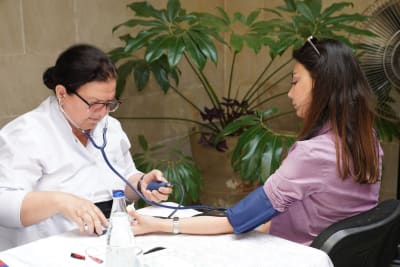
President Trump's recent three-hour sojourn to Walter Reed National Military Medical Center for a comprehensive medical and dental examination has reignited a familiar public conversation about the nation's highest office and the physical and mental fitness required to hold it. This latest check-up, his fourth since taking office, comes at a critical juncture as he seeks to project an image of robust vitality and unwavering capability on the national stage, particularly as midterm elections loom and his influence with voters is tested. The president himself declared on social media that his "6 month physical" concluded with "Everything checked out PERFECTLY," a concise and definitive pronouncement designed to quell any lingering doubts. However, the absence of a detailed, independently verifiable report from his physicians leaves room for speculation and underscores a long-standing tension between presidential transparency and the privacy afforded to the commander-in-chief. This recurring focus on presidential health is not a new phenomenon. For decades, administrations have navigated the delicate balance of providing the public with insight into their leader's well-being. Typically, selected results from these physicals are released, offering a curated glimpse into the health status of the person holding the reins of power. Yet, these disclosures are invariably filtered through the White House and require presidential approval, prompting legitimate questions about the extent to which the public truly knows what it is being told and what information might be strategically withheld. The tradition of transparency, while established, is often subject to the political imperatives of the moment, and the current administration is no exception to this historical pattern. At 79 years old, Donald Trump stands as the oldest individual ever elected to the U.S. presidency. This demographic reality naturally invites comparison and scrutiny, especially when juxtaposed with the age of his immediate predecessor, Joe Biden, who was 82 when he exited the White House, a factor that significantly contributed to widespread public concern about his fitness for another term. The specter of age and its potential impact on executive function is therefore a salient issue for voters, shaping perceptions of leadership capability and endurance. A recent Washington Post/ABC News/Ipsos poll from April underscored this public sentiment, revealing that fewer than half of U.S. adults believe Trump possesses the necessary mental sharpness or physical health to effectively govern. The concerns voiced by figures like Dr. Jeffrey Kuhlman, a former White House physician who served under multiple administrations, highlight the gravity of these discussions. Dr. Kuhlman, with over a decade of experience, noted that "concern for the president’s physical health is probably at an all-time high, and I think advanced physical age is the No. 1 concern." He elaborated that a comprehensive examination for a president of Trump's age would customarily include advanced cardiac testing, screenings for prevalent cancers, and a cognitive assessment, in addition to standard vital signs like height, weight, and blood pressure. The White House's decision not to release a detailed breakdown of the visit's findings, while stating confidence in the results, amplifies the public's desire for more definitive information. This story resonates deeply with the American public right now because it taps into fundamental anxieties about leadership, stability, and the future. In an era marked by rapid change and significant global challenges, the perceived strength and health of the president are often seen as a proxy for the nation's own resilience and capacity to navigate complex issues. Voters are grappling with questions of endurance, cognitive acuity, and the sheer physical demands of the presidency, especially as political discourse often becomes more heated and the pace of events relentless. The age factor, coupled with the high-stakes nature of current political and economic landscapes, amplifies the public's desire for reassurance that their leader is up to the task. Looking ahead, the short-term implications of this latest medical exam are likely to revolve around how effectively the Trump campaign can leverage the pronouncement of perfect health. Expect continued messaging emphasizing his vigor and stamina, particularly in contrast to any perceived weaknesses of opponents. However, the long-term consequences hinge on whether this event becomes a recurring point of discussion or if future health updates provide more substantive data. The precedent set by this administration, and indeed by past ones, regarding the release of medical information will continue to shape public expectations and the level of scrutiny applied to future occupants of the Oval Office. The lack of a detailed medical report means that voters and political observers will be left to interpret the president's public appearances and pronouncements for clues about his condition. This creates an environment where speculation can easily fill the void left by official communication. The administration's spokesperson, Davis Ingle, offered a strong endorsement, stating, "President Trump is the sharpest and most accessible President in American history who is working nonstop to solve problems and deliver on his promises, and he remains in excellent health." While a powerful statement, it is precisely this kind of assertion, without accompanying objective data, that fuels ongoing debate. The ongoing debate about presidential fitness is intrinsically linked to the broader conversation about the demands of the modern presidency. The role requires not only sharp intellect and physical stamina but also the capacity for sustained focus and decision-making under immense pressure. As voters evaluate candidates, they are increasingly looking beyond policy positions to assess the overall capability and endurance of those seeking to lead. The outcome of this ongoing public assessment will undoubtedly influence electoral strategies and voter perceptions in the coming cycles. Moving forward, what bears watching is whether future presidential medical examinations, regardless of administration, will see a greater degree of transparency. The public's appetite for detailed, verifiable information about the health of its leaders appears to be growing, and any administration that continues to offer only carefully curated summaries may find itself facing increased public demand for more comprehensive disclosure. The intersection of public health, political optics, and presidential power remains a dynamic and critical area of national interest.
In Brief
President Trump's extensive medical visit to Walter Reed prompts renewed scrutiny of presidential health. The lack of a detailed report fuels debate on fitness for office and transparency in leadership.Advertisement


Comments
No comments yet. Be the first to comment!