
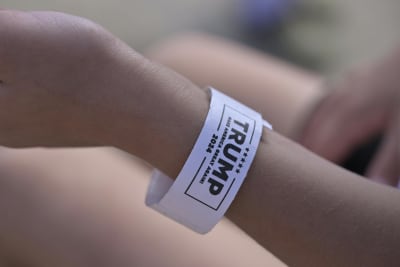
The tradition of presidential medical examinations, intended to reassure a nation about its leader's fitness for office, has long been a carefully managed affair. From Franklin D. Roosevelt’s concealed polio to John F. Kennedy’s battle with Addison’s disease and chronic pain, the public has rarely received the unvarnished truth about the health of those holding the highest office. This historical tendency towards curated transparency has set a precedent, where the release of medical information often feels more like a political performance than a genuine health disclosure, leaving a lingering public skepticism about the full picture. The latest medical report for President Donald Trump, declaring him in “excellent health,” continues this pattern of reassuring pronouncements. However, the accompanying visual evidence – persistent bruising on his hands and noticeable swelling in his legs – has triggered renewed scrutiny from medical professionals and the public alike. These are not subtle indicators; they are visible signs that prompt questions about underlying conditions that a standard report might gloss over or fail to adequately explain. The disconnect between the official narrative of robust well-being and these tangible physical markers creates a palpable tension, amplifying concerns that the public is being presented with an incomplete, if not misleading, assessment. This story resonates now because it touches upon a fundamental societal anxiety: the health of our leaders and its direct impact on national and global stability. In an era of rapid information dissemination and heightened political polarization, any perceived vulnerability in the executive branch is magnified. The visual anomalies, such as the documented bruising, are particularly potent because they are easily observable and relatable, even to those without medical training. They fuel a narrative that something may be amiss, irrespective of the official pronouncements, tapping into a deep-seated human instinct to question appearances when they contradict official statements. The deeper systemic issue at play is the inherent conflict between the need for public transparency regarding a leader’s health and the desire for privacy, coupled with the political imperative to project strength and stability. Presidential medical reports are often produced by physicians closely associated with the administration, raising questions about potential bias or undue influence. The process lacks the independent oversight that might be found in other areas of government oversight, making the reports susceptible to selective reporting or the downplaying of concerning symptoms. This creates an environment where the public is left to decipher subtle clues, rather than receiving clear, unbiased information. Those most directly affected are, of course, the American people, who entrust their safety and economic well-being to the president’s judgment and capabilities. Beyond the citizenry, the international community also monitors the health of the U.S. president, as it impacts global diplomacy, trade, and security alliances. Allies and adversaries alike assess potential vulnerabilities, and a perceived decline in leadership capacity can have significant geopolitical ramifications. The medical status of the commander-in-chief is never just a personal matter; it carries profound national and international weight. While the official report offers a clean bill of health, independent medical experts, some of whom have publicly voiced their concerns, suggest exploring conditions that commonly cause such symptoms. These could range from simple vitamin deficiencies or minor circulatory issues to more serious ailments that might affect cognitive function or physical stamina. Without access to more detailed diagnostic information or direct examination, definitive conclusions are impossible, but the persistent visual cues warrant further, independent medical evaluation beyond the scope of the current reporting protocol. The lack of detailed medical history and diagnostic data in public reports is a recurring problem. Potential solutions lie in reforming the presidential medical examination process. This could involve mandating independent, non-partisan medical boards to conduct and review examinations, ensuring greater objectivity. Increased transparency regarding specific diagnostic tests, medications, and the rationale behind any observed anomalies would also build public trust. Furthermore, establishing clear protocols for addressing and explaining visible health concerns, rather than simply issuing blanket statements of good health, would be a significant step forward. The goal should be to provide the public with sufficient information to make an informed assessment of the president’s fitness for duty. The public’s takeaway should be a call for a more robust and genuinely transparent system for assessing and reporting presidential health. It’s not about seeking sensationalism, but about demanding accountability and ensuring that the person leading the country is demonstrably capable of handling its immense responsibilities. The visual evidence, coupled with the historical context of presidential health secrecy, demands a higher standard of disclosure than what is currently being offered. Looking ahead, the focus will likely remain on any further visual cues that emerge and on whether any independent medical bodies or congressional committees will push for greater transparency or more rigorous examination protocols. The ongoing debate underscores the need for a re-evaluation of how presidential health is communicated, especially in an era where public trust in institutions is already fragile. The next steps will reveal whether the current system is adaptable enough to meet the public’s legitimate demands for clear, credible information about the health of its highest elected official.
In Brief
Presidential medical reports aim to reassure, but persistent visual signs like bruising and swelling raise questions about transparency and the true health of leaders. This story delves into the history and systemic issues surrounding presidential health disclosures.Advertisement


Comments
No comments yet. Be the first to comment!