

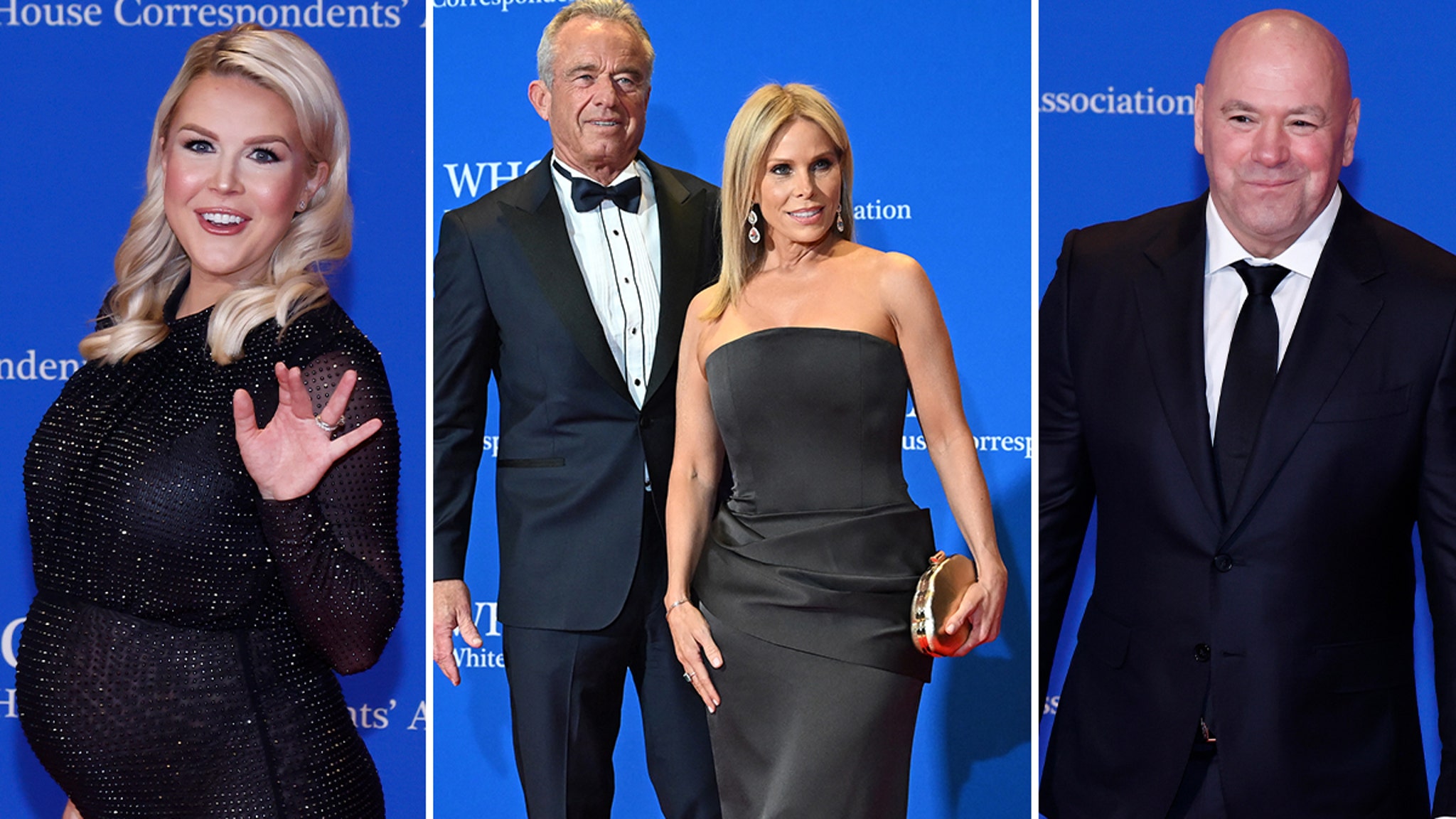
The White House Correspondents' Association dinner, typically a night of pointed political satire and a rare opportunity for journalists and politicians to mingle, took an unexpectedly somber turn this past Saturday. While many attendees anticipated the usual blend of humor and policy jabs, the evening was overshadowed by a security incident that President Donald Trump interpreted as a grave personal threat. Instead of the expected levity, the President's subsequent remarks focused on a perceived pattern of danger, urging a broader societal reconciliation in the face of escalating global instability. The immediate aftermath of the incident saw the apprehension of Cole Tomas Allen, a 31-year-old from Torrance, California, who reportedly attempted to breach the hotel's security perimeter carrying weapons. This act, occurring just moments before President Trump was slated to address the assembled crowd, sent ripples of alarm through the venue and the nation. The swift response of security personnel prevented any escalation, but the psychological impact on the President, who later described it as the third such perceived attempt on his life during his tenure, was evident. In a hastily arranged press conference at the White House, a visibly subdued Trump articulated his perspective. He framed the presidency as an inherently perilous profession, stating, “The presidency is a dangerous profession.” He drew parallels to historical figures, referencing Abraham Lincoln as an example of a leader whose impactful actions made him a target. This historical framing served to underscore his belief that his own significant policy achievements and political stance had made him a repeated focal point for potential adversaries. The most striking element of Trump's response, however, was his departure from his characteristic combative rhetoric. He explicitly called for an end to partisan divisions and a national embrace of unity. “We have to resolve our differences,” he implored, noting the diverse political affiliations present in the room – Republicans, Democrats, independents, conservatives, and liberals. He painted a picture of a room, despite underlying political tensions, that came together in a moment of shared concern, remarking on the “tremendous amount of love and coming together” he witnessed. This call for unity resonated beyond the confines of the hotel ballroom. Social media platforms, predictably, buzzed with a spectrum of reactions. While some lauded the President's measured tone and plea for healing, others remained skeptical, questioning the sincerity of a call for bipartisan accord coming from a figure often associated with sharp political divisions. Hashtags related to the incident and the President's remarks trended, reflecting a polarized public discourse on the nature of political threats and the potential for genuine reconciliation. Experts in political psychology and security offered varied interpretations. Some suggested that such high-profile threats, real or perceived, can indeed serve as a catalyst for reflection and a temporary fostering of national solidarity, regardless of political affiliation. Others cautioned that the President's framing, linking personal safety directly to the success of his administration, could be seen as a tactic to bolster his image and deflect criticism, even as he calls for unity. The dynamic interplay between perceived danger and political messaging remains a complex area of study. Beyond the immediate political implications, the incident highlights a broader societal concern about political violence and the polarization that can fuel it. The President’s remarks, though delivered in the shadow of a security scare, touched upon a global phenomenon. His assertion that “No country is immune” to politically motivated violence serves as a stark reminder of the fragility of civil order and the constant vigilance required to maintain it. This underscores the need for greater civic engagement and a commitment to de-escalating heated rhetoric across the political spectrum. Moving forward, the nation will be watching to see if this moment of perceived vulnerability can translate into sustained efforts toward national healing and a reduction in partisan animosity. The President's unexpected emphasis on unity, whether a momentary response or a genuine shift in strategy, presents an opportunity. The public's reaction, the actions of political leaders on both sides of the aisle, and the ongoing assessment of security threats will all be critical factors in determining whether this incident marks a turning point or remains a singular, albeit dramatic, event.
In Brief
President Trump calls for unity after a security breach at the White House Correspondents' dinner, interpreting the event as a personal threat and urging an end to partisan division.Advertisement



Comments
No comments yet. Be the first to comment!