

Policy Snapshot
- A robust commitment to fiscal responsibility, emphasizing balanced budgets and reduced government spending to stimulate private sector growth and control inflation.
- Strengthening local economies through targeted investments in infrastructure, small business support programs, and workforce development initiatives designed to create sustainable jobs.
- Prioritizing educational reform with a focus on parental choice, curriculum transparency, and enhanced vocational training opportunities to better prepare students for future careers.
- Ensuring public safety by supporting law enforcement agencies with adequate resources, implementing community policing strategies, and addressing the root causes of crime.
- Advocating for energy independence through the exploration and utilization of domestic resources, coupled with investments in innovative and cleaner energy technologies.
- Streamlining regulatory processes to reduce burdens on businesses and individuals, fostering an environment conducive to innovation, entrepreneurship, and economic expansion.
The Policy History
The political landscape surrounding Graham Platner has been shaped by a series of policy decisions and public statements that have drawn both praise and significant criticism. His tenure has often been characterized by a push for deregulation and a reduction in the scope of government intervention in economic affairs. Supporters point to these actions as crucial steps in fostering a more dynamic and competitive business environment, arguing that excessive regulation stifles innovation and hinders job creation. They highlight instances where his policies are credited with revitalizing struggling industries or attracting new investment to the region, framing his approach as forward-thinking and economically prudent. This perspective emphasizes the long-term benefits of his agenda, suggesting that short-term disruptions are a necessary consequence of necessary change.
Conversely, critics have voiced strong concerns regarding the potential negative impacts of Platner's policy initiatives. They argue that deregulation can lead to environmental degradation, worker exploitation, and increased financial instability, citing historical examples where similar approaches resulted in significant societal costs. The focus on economic growth, they contend, often comes at the expense of social equity and environmental protection, creating a system that benefits corporations and the wealthy at the expense of the broader population. These critiques often center on specific legislative proposals or executive actions that have been perceived as weakening consumer protections or undermining public services. The debate often boils down to differing philosophies on the role of government and the balance between economic freedom and social responsibility.
Understanding the historical context of these policy debates is crucial for grasping the current political climate. Platner's policy evolution reflects broader ideological shifts and responses to prevailing economic conditions. Early in his career, his positions may have been more moderate, but as economic challenges mounted and political pressures intensified, his platform has increasingly aligned with a more conservative, free-market ideology. This evolution has been met with a mixed reception, solidifying his base among those who favor his current direction while alienating others who feel he has moved too far from his earlier stances or from principles they hold dear. The ongoing dialogue and conflict surrounding his policy history are indicative of fundamental disagreements about the best path forward for the community and the nation.
Who Is Affected
The policy decisions championed by Graham Platner have a tangible and far-reaching impact on a diverse array of individuals and communities. Small business owners, for instance, are directly affected by his proposed regulatory reforms, which proponents argue will reduce compliance costs and foster an environment more conducive to entrepreneurship and expansion. However, critics worry that deregulation could weaken consumer protections and environmental safeguards, potentially leading to unfair competition or negative externalities that disproportionately harm local communities. The economic policies advocated by Platner, particularly those concerning taxation and government spending, also influence the financial well-being of middle-class families, affecting disposable income, access to public services, and long-term economic security.
Furthermore, the environmental policies associated with Platner's platform are of significant concern to conservation groups and residents living in areas susceptible to industrial impact. His emphasis on energy independence and reduced regulatory oversight for resource extraction industries could lead to increased development in sensitive ecosystems, raising alarms about pollution, habitat destruction, and the long-term health of natural resources. Conversely, those employed in or advocating for the expansion of these industries see his policies as vital for economic revitalization and job creation, particularly in regions historically reliant on traditional energy sectors. This creates a clear division among stakeholders with competing interests and priorities regarding land use and environmental stewardship.
The educational reforms proposed by Platner, focusing on parental choice and curriculum adjustments, directly impact students, teachers, and educational institutions. Supporters believe these changes will enhance educational quality and accountability, offering greater flexibility and responsiveness to local needs. Critics, however, express apprehension about potential impacts on educational equity, the dilution of established academic standards, and the politicization of school curricula. The debate over school funding and resource allocation, often intertwined with these reforms, also affects the resources available for public education, influencing class sizes, teacher salaries, and the availability of essential learning materials for all students, regardless of their background or location.
The Case For
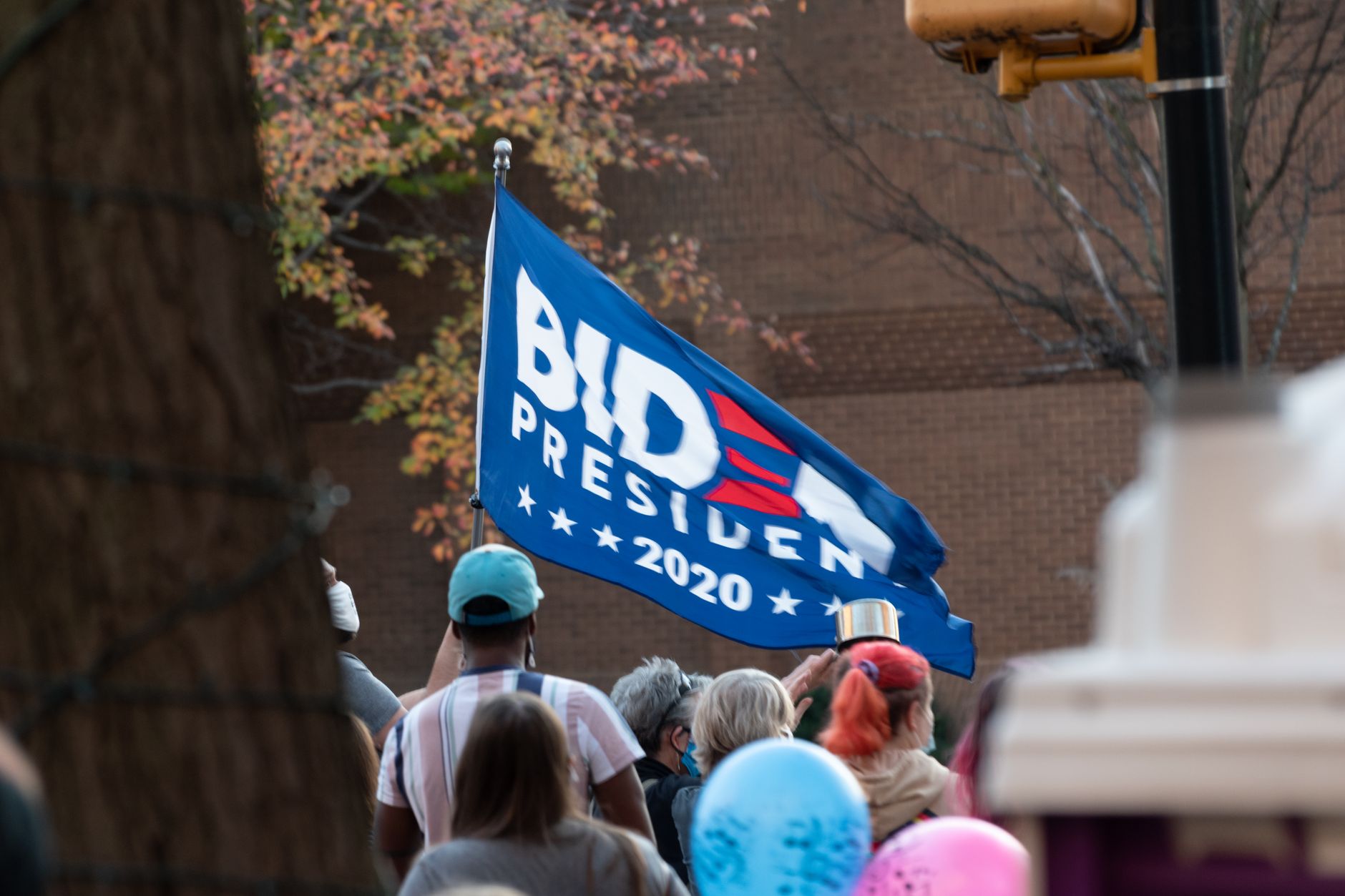
Supporters of Graham Platner's platform consistently emphasize his commitment to economic revitalization and individual liberty as core tenets of his political philosophy. They argue that his policies, particularly those focused on deregulation and tax reduction, are essential for unleashing the power of the private sector, fostering innovation, and creating sustainable job growth. This perspective holds that excessive government intervention and burdensome regulations stifle entrepreneurship, discourage investment, and ultimately hinder economic prosperity for everyone. By reducing the size and scope of government, Platner aims to create an environment where businesses can thrive, leading to increased competition, lower prices for consumers, and a more dynamic economy overall. The rally in Bar Harbor served as a powerful testament to this belief, showcasing a united front eager to champion these principles.
Furthermore, advocates highlight Platner's emphasis on fiscal responsibility and balanced budgets as crucial for long-term economic stability. They contend that unchecked government spending leads to unsustainable debt, inflation, and a diminished capacity for future investment. Platner's proposed approach, which includes stringent spending controls and a focus on efficient resource allocation, is seen as a necessary corrective measure to ensure the financial health of the state and protect future generations from burdensome debt. This commitment to prudent financial management resonates with voters who are concerned about the national debt and the economic consequences of profligate spending, positioning Platner as a responsible steward of public funds.
Beyond economic arguments, supporters often praise Platner's stance on individual freedoms and limited government intrusion into personal lives. They view his policies as protective of constitutional rights and supportive of personal autonomy, allowing individuals and families greater control over their decisions without undue governmental interference. This includes support for parental rights in education, freedom of association, and protection against what they perceive as overreaching mandates. The rally's attendees expressed a strong desire for leadership that champions these foundational liberties, seeing Platner as a bulwark against what they consider to be encroaching governmental power and a defender of traditional values and individual sovereignty.
The Case Against
Critics of Graham Platner's agenda frequently raise alarms about the potential social and environmental consequences of his proposed policies, particularly concerning deregulation and reduced oversight. They argue that weakening environmental protections could lead to increased pollution, damage to natural resources, and long-term ecological harm, disproportionately affecting vulnerable communities and future generations. Concerns are also voiced regarding the potential for worker exploitation and unsafe working conditions if labor protections are diminished. This perspective views Platner's approach as prioritizing corporate profits over public well-being and environmental sustainability, creating a significant risk of negative externalities that society will ultimately bear.
Furthermore, opponents express deep reservations about the impact of Platner's economic policies on social equity and public services. They contend that tax cuts for corporations and the wealthy, coupled with proposed reductions in government spending, could exacerbate income inequality and undermine essential public services such as education, healthcare, and infrastructure. This viewpoint suggests that Platner's focus on market-based solutions neglects the needs of the most vulnerable populations and could lead to a society where access to opportunities and resources is determined more by wealth than by merit or need. The rally's focus on dismissing controversies is seen by critics as a distraction from these fundamental concerns about fairness and opportunity.
The controversies surrounding Platner himself, which supporters sought to downplay at the rally, are also a significant point of contention for critics. Allegations of ethical lapses or questionable decision-making are viewed not merely as personal failings but as indicators of character and judgment that are relevant to public office. Opponents argue that these issues raise serious questions about his fitness to govern and his commitment to transparency and accountability. They believe that ignoring or dismissing these controversies, as was evident at the Bar Harbor gathering, demonstrates a lack of respect for public scrutiny and a reluctance to address legitimate concerns about integrity and leadership, potentially undermining public trust.

Policy Questions Answered
Implementation Watch
The effective implementation of Graham Platner's policy agenda hinges on navigating a complex web of legislative hurdles, public opinion, and potential legal challenges. Supporters at the Bar Harbor rally expressed confidence that his leadership would translate into decisive action, but the reality of governance often involves compromise and adaptation. Key initiatives, such as proposed regulatory reforms and tax adjustments, will require careful drafting of legislation, negotiation with opposing factions, and robust public engagement to ensure buy-in and minimize unintended consequences. The success of his platform will ultimately be measured not just by the passage of laws, but by their tangible impact on the lives of citizens and the health of the economy.
A critical aspect of implementation will be the allocation of resources and the capacity of government agencies to execute new policies effectively. If Platner's administration pursues significant spending cuts or shifts in resource priorities, agencies responsible for areas like environmental protection or social services may face challenges in maintaining operational effectiveness. Conversely, if his agenda involves targeted investments, ensuring those funds are distributed efficiently and reach their intended beneficiaries will be paramount. The ability to monitor progress, gather data, and make necessary adjustments in response to real-world outcomes will be crucial for demonstrating the efficacy of his proposed changes and maintaining public trust.
Moreover, the political climate and the degree of cooperation from other branches of government, as well as from state and local authorities, will significantly influence the pace and success of policy implementation. Should Platner face a divided legislature or resistance from established bureaucratic structures, his ambitious plans could be significantly delayed or diluted. The rallying of supporters in Bar Harbor signals a desire for swift action, but the practicalities of governance demand a more measured and strategic approach. Continuous communication, transparency about challenges, and a willingness to engage with diverse perspectives will be essential for navigating the implementation phase and achieving the desired outcomes.


















Comments
No comments yet. Be the first to comment!