
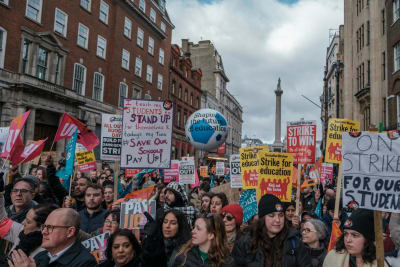
"We are witnessing a seismic shift, a genuine realignment of the British political landscape," observed Dr. Eleanor Vance, a senior political scientist at the London School of Economics, her voice tinged with both academic curiosity and a hint of alarm. "For years, parties like Reform UK have operated on the fringes, their ideas dismissed as populist noise. Now, they are not just being heard; they are dictating the terms of debate and attracting significant voter support, particularly among those feeling left behind by the traditional parties." This surge didn't materialize overnight. It's the culmination of years of simmering discontent and a growing disillusionment with the status quo, amplified by key events. The Brexit referendum, while years past, continues to cast a long shadow, with a segment of the electorate feeling that its promise remains unfulfilled. Simultaneously, a series of economic headwinds, including stubborn inflation and concerns over public services, have eroded faith in the governing parties' ability to deliver. Reform UK, under Nigel Farage's charismatic leadership, has skillfully tapped into this wellspring of frustration, offering a direct, often blunt, critique of mainstream politics and a vision centered on national sovereignty and tighter immigration controls. The recent local elections provided the most stark evidence of this growing influence. Reform UK secured control of over a dozen local councils across England, a significant achievement that moved them from a protest party to a tangible political force capable of wielding local power. Furthermore, their electoral success extended to devolved assemblies, breaking into the Scottish Parliament and demonstrating a reach that transcends traditional political divides. This isn't just about a protest vote anymore; it's about voters actively choosing Reform UK as their preferred option, a development that has sent shockwaves through Westminster. The current political environment is a complex tapestry of anxieties. Many voters feel that neither the Conservative nor the Labour party genuinely represents their concerns. They see a political establishment that is out of touch, more interested in internal maneuvering than in addressing the everyday struggles of working families. Issues like the cost of living crisis, the perceived failure to control borders, and the future of public services are paramount for millions. Reform UK's direct appeals on these fronts, often delivered with a populist fervor, have resonated deeply, offering a perceived alternative to the often nuanced and cautious language of established politicians. This electoral success is not merely a reflection of dissatisfaction; it's a strategic positioning of a party that has learned from past campaigns. While previously seen as a vehicle for Nigel Farage's personal political ambitions, often overshadowed by his leadership of the Brexit Party or UKIP, Reform UK now presents a more organized and disciplined front. The focus has sharpened, honing in on specific policy areas that tap into core voter grievances. This strategic clarity, combined with Farage's unparalleled ability to command media attention and connect with a certain segment of the electorate, has created a potent political force. The implications for the upcoming general election are profound. Traditional polling models are being tested, with many analysts suggesting that Reform UK could significantly impact the outcome, potentially siphoning votes from the Conservatives in key constituencies and making it harder for them to secure a majority. The party's growing poll numbers, some placing them in double digits, suggest they are no longer a fringe element but a genuine contender for a significant share of the national vote. This could lead to a more fragmented parliament, where coalition-building becomes more complex and the mandate of any future government is less clear. For voters feeling alienated by the current political system, the rise of Reform UK represents an opportunity to express their dissatisfaction and to vote for a party that articulates their frustrations. It's a chance to send a clear message to the established parties that their current approach is no longer sufficient. This is about more than just individual policy preferences; it's about a broader desire for change and a willingness to consider alternatives that were previously unthinkable. The immediate challenge for the established parties is to understand and respond to the underlying causes of Reform UK's appeal without simply mimicking its rhetoric. The long-term question is whether this surge represents a temporary protest or a fundamental reordering of British political allegiances. What emerges from the upcoming general election will set the direction for the country for years to come. Observers will be watching closely to see if Reform UK can translate its current momentum into sustained electoral success and if the broader political establishment can adapt to this new, challenging reality.
In Brief
Nigel Farage's Reform UK is experiencing unprecedented electoral momentum, shaking up the British political landscape and presenting a significant challenge to traditional parties ahead of the general election.Advertisement



Comments
No comments yet. Be the first to comment!