

At a Glance
- Megaport possesses a significant existing footprint within numerous global data centers, providing a foundational asset for its expanding compute services.
- The company's established network infrastructure allows for rapid deployment and scaling of compute resources, reducing time-to-market for new offerings and customer onboarding.
- This strategic advantage minimizes the need for substantial new physical infrastructure investments, thereby enhancing cost-efficiency and potentially improving profit margins for its compute business.
- Leveraging existing data center presence enables Megaport to offer low-latency, high-performance compute solutions directly where its customers' data resides, a critical factor in modern application delivery.
- The company is well-positioned to integrate its software-defined network (SDN) capabilities with its compute offerings, creating a comprehensive and flexible cloud connectivity and compute solution.
- By building upon its current data center relationships, Megaport can forge deeper partnerships with colocation providers and cloud on-ramps, further solidifying its market position.
The Record
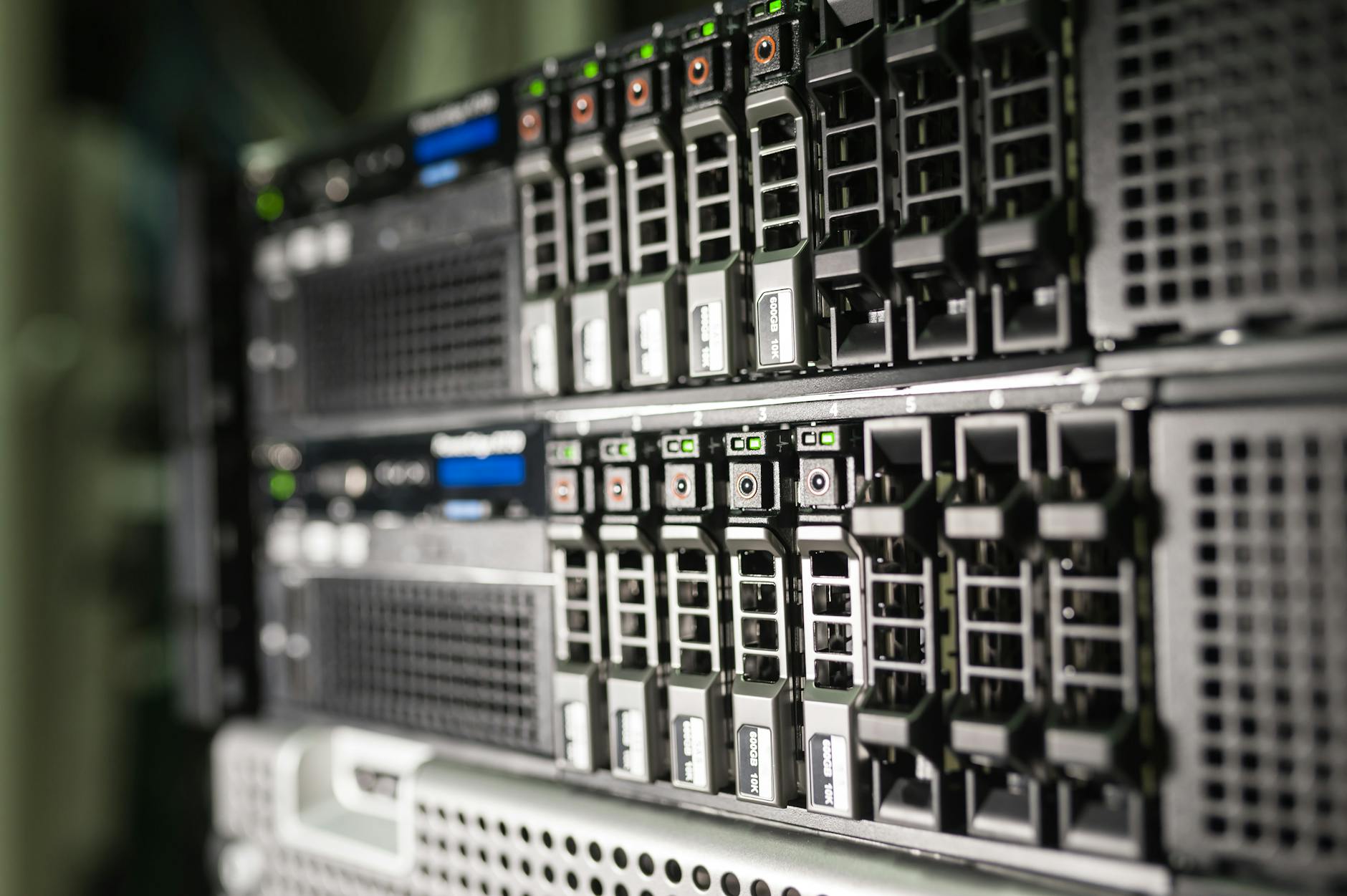
Megaport has meticulously built a global network of interconnected data centers, establishing itself as a key player in the cloud connectivity ecosystem. This extensive physical presence is not merely about fiber optic cables and cross-connects; it represents a strategic deployment of infrastructure that underpins the company's ability to deliver high-performance networking solutions. Over the years, Megaport has cultivated relationships with major data center operators worldwide, securing space and power within these critical digital hubs. This deliberate expansion has positioned the company to offer its customers direct, low-latency access to a multitude of cloud providers and enterprise networks. The scale of this operation means that when a customer requires connectivity or compute resources, Megaport can often provide them from within the same facility, drastically reducing the complexity and cost associated with traditional network deployments. This foundational infrastructure is now proving to be a powerful accelerant for its compute business, allowing for agile and cost-effective expansion.
The evolution of Megaport's business model has seen a natural progression from pure connectivity to offering a broader suite of Infrastructure as a Service (IaaS) components. Initially focused on facilitating direct connections between enterprises and cloud providers, the company recognized the inherent synergies with compute and storage services. By operating within the same data centers where these connections terminate, Megaport can deploy its own compute instances and storage solutions with remarkable efficiency. This proximity to the network edge and the customer's data allows for significantly reduced latency and enhanced performance, critical factors for demanding applications like AI/ML, high-frequency trading, and real-time analytics. The company's software-defined networking (SDN) platform further enhances this capability, enabling dynamic provisioning and management of both network and compute resources through a single pane of glass. This integrated approach streamlines operations for customers and unlocks new revenue streams for Megaport.
Megaport's strategic decision to expand its compute offerings is directly supported by its existing data center infrastructure, a move that differentiates it from competitors who may need to build out entirely new physical footprints. The company's established presence in over 700 data centers globally means that the marginal cost of deploying new compute nodes is significantly lower than for a new entrant. This allows Megaport to be highly competitive on pricing while maintaining healthy margins, thanks to the efficient utilization of its existing real estate and power agreements. Furthermore, the dense network of data centers enables Megaport to offer geographically diverse compute solutions, catering to disaster recovery, high availability, and regional performance requirements. This capability is crucial for enterprises operating in regulated industries or those with global customer bases, who demand robust and resilient IT infrastructure that can be deployed close to their end-users or data sources.
How We Got Here
Megaport's journey began with a clear vision to simplify and accelerate cloud connectivity. Recognizing the complexities and inefficiencies of traditional network provisioning, the company developed a software-defined networking (SDN) platform that enabled on-demand, scalable, and automated interconnection services. This innovation allowed businesses to bypass the lengthy lead times and high costs associated with establishing direct connections to major cloud providers like AWS, Azure, and Google Cloud. By strategically placing its network fabric within key carrier-neutral data centers around the world, Megaport created a neutral ecosystem where users could connect to multiple cloud services and network providers seamlessly. This initial focus on connectivity laid the groundwork for future expansion into adjacent services that could leverage the same underlying infrastructure.
The success of its cloud interconnection services naturally led Megaport to explore opportunities within the data center itself. As customers increasingly relied on Megaport for their network needs, the company observed a growing demand for complementary services that could be delivered with similar agility and efficiency. The physical proximity of Megaport's network infrastructure within data centers presented a prime opportunity to offer compute and storage resources. This strategic pivot was driven by the understanding that customers sought integrated solutions rather than fragmented services. By leveraging its existing data center footprint and SDN capabilities, Megaport could offer a compelling value proposition: a single platform for both connectivity and core IT infrastructure, deployed with unprecedented speed and flexibility.
The expansion into compute services represents a significant evolution for Megaport, transforming it from a pure connectivity provider into a more comprehensive cloud infrastructure partner. This strategic move was not a sudden departure but a calculated expansion built upon years of investment in data center presence and network technology. The company's ability to deploy compute resources within minutes, directly adjacent to its high-speed network fabric, offers a distinct advantage. This allows for ultra-low latency performance, crucial for demanding workloads, and simplifies the overall IT architecture for customers. The integration of compute with its established interconnection services creates a powerful synergy, enabling Megaport to offer end-to-end solutions that address a wider spectrum of enterprise IT requirements and accelerate digital transformation initiatives.
Why It Matters
Megaport's strategic leverage of its existing data center footprint for its compute business is a significant development with far-reaching implications for the cloud infrastructure market. By minimizing the need for substantial new capital expenditure on physical facilities, Megaport can achieve a more favorable cost structure compared to competitors building from scratch. This cost advantage translates directly into competitive pricing for its compute services, potentially attracting a larger customer base seeking efficient and affordable solutions. Furthermore, the inherent low latency achieved by deploying compute resources within the same data centers as network interconnects is critical for performance-sensitive applications, such as artificial intelligence, machine learning, and real-time data processing, which are driving significant market growth. This capability positions Megaport as a key enabler for businesses looking to harness the power of these advanced technologies.
The ability to rapidly scale compute resources on demand, facilitated by existing data center infrastructure, is crucial in today's dynamic business environment. Enterprises require IT solutions that can adapt quickly to fluctuating workloads and evolving market demands. Megaport's model allows for this agility, enabling customers to provision and de-provision compute capacity as needed, thereby optimizing resource utilization and reducing operational overhead. This flexibility is particularly valuable for businesses undergoing digital transformation or those operating in sectors with seasonal peaks or unpredictable demand patterns. By offering a seamless integration of network and compute, Megaport simplifies the complex IT landscape, allowing organizations to focus on their core business objectives rather than managing intricate infrastructure deployments. This streamlined approach fosters innovation and accelerates time-to-market for new products and services.
This strategic alignment between Megaport's network presence and its compute services directly addresses a critical market need for integrated, high-performance cloud solutions. As businesses increasingly migrate complex workloads to the cloud, the demand for low-latency, secure, and scalable infrastructure is paramount. Megaport's existing data center relationships provide a unique advantage, enabling them to offer these capabilities without the significant lead times and capital investment typically associated with building new facilities. This allows them to respond swiftly to market opportunities and customer requirements, positioning them as a formidable competitor in the IaaS space. The implications extend to improved application performance, enhanced data sovereignty options, and more efficient disaster recovery strategies for their clientele, making this a pivotal moment for the company and its customers.
The Debate
The central debate revolves around whether Megaport's existing data center presence is a sufficient differentiator to carve out a significant market share in the highly competitive compute space, dominated by hyperscale cloud providers and established infrastructure players. Critics argue that while leveraging existing infrastructure offers cost advantages, it may not provide the same level of cutting-edge technology, extensive service portfolios, or global reach that giants like AWS, Azure, and Google Cloud offer. They question if Megaport's compute offerings, however efficiently deployed, can truly compete on raw power, specialized services like advanced AI/ML platforms, or the sheer breadth of developer tools available from the major cloud vendors. The argument is that proximity and cost savings might not be enough to sway customers deeply entrenched in the ecosystems of the hyperscalers.
Conversely, proponents highlight that Megaport's strategy targets a specific, underserved segment of the market: enterprises seeking performance, control, and cost predictability without the complexity and potential vendor lock-in associated with hyperscale clouds. They emphasize that Megaport's strength lies in its ability to offer dedicated, high-performance compute resources with guaranteed low latency, directly within the data centers where critical data and existing network infrastructure reside. This is particularly appealing for hybrid cloud strategies, edge computing deployments, and workloads that require stringent data residency compliance. The debate here centers on whether this niche focus can yield substantial growth, or if it remains a supplementary offering rather than a primary compute destination for most organizations looking to scale their digital operations.
Another facet of the discussion concerns Megaport's ability to innovate and expand its compute service offerings at a pace commensurate with market evolution. While its SDN platform provides agility, the underlying hardware and software stack for compute services need continuous investment to remain competitive. Questions linger about the depth of its managed services, the sophistication of its orchestration tools, and its capacity to support emerging technologies like advanced containerization or serverless architectures at scale. The debate is whether Megaport can evolve its compute capabilities rapidly enough to keep pace with the relentless innovation cycles of the major cloud providers, or if its advantage will diminish as competitors also explore more distributed and edge-focused compute solutions.
Your Questions Answered
What Happens Next
Following the strategic alignment of its compute business with its existing data center infrastructure, Megaport is poised for accelerated growth and market penetration. The immediate next steps will likely involve intensified marketing efforts to highlight the unique value proposition of low-latency, cost-effective compute solutions delivered through their established network. Expect to see more targeted campaigns aimed at enterprises seeking hybrid cloud solutions, edge computing deployments, and performance-critical applications. The company will also likely focus on further optimizing its operational efficiency, leveraging automation and its SDN capabilities to streamline the deployment and management of compute resources, thereby enhancing customer experience and driving adoption.
Furthermore, Megaport is expected to deepen its partnerships with data center operators and cloud service providers. This could involve co-location agreements that further solidify their presence, or enhanced integration with cloud provider APIs to offer even more seamless hybrid and multi-cloud experiences. The company may also explore expanding its portfolio of managed services around its compute offerings, providing customers with end-to-end support and simplifying IT management. Continued investment in its SDN platform will be crucial to maintain its agility and ensure that it can rapidly adapt to emerging technologies and evolving customer demands in the dynamic cloud infrastructure landscape.
In the medium to long term, Megaport's success will hinge on its ability to consistently deliver on its promise of performance, reliability, and cost-efficiency. As the market for specialized compute solutions continues to expand, driven by AI, IoT, and data analytics, Megaport's strategically positioned infrastructure offers a compelling advantage. Continued innovation in service offerings, a focus on customer success, and a commitment to operational excellence will be key factors in cementing its position as a significant player in the cloud infrastructure ecosystem, moving beyond its origins as a pure connectivity provider.

















Comments
No comments yet. Be the first to comment!