

The Story in Brief
- The LA28 Olympic and Paralympic Games are now officially less than four years away, marking a critical acceleration in planning and execution phases for the host city.
- Significant financial challenges are emerging, with the initial budget of $6.9 billion facing potential overruns, raising concerns about the financial burden on taxpayers and public services.
- Infrastructure development and upgrades, particularly in transportation and venue preparation, are paramount, requiring seamless coordination across multiple city and state agencies to meet ambitious deadlines.
- Community engagement and ensuring a positive legacy for Los Angeles residents are central to the Games' success, with ongoing efforts to address concerns regarding displacement, traffic, and resource allocation.
- Security planning for an event of this magnitude is a colossal undertaking, involving federal, state, and local law enforcement agencies collaborating to ensure the safety of athletes, spectators, and the general public.
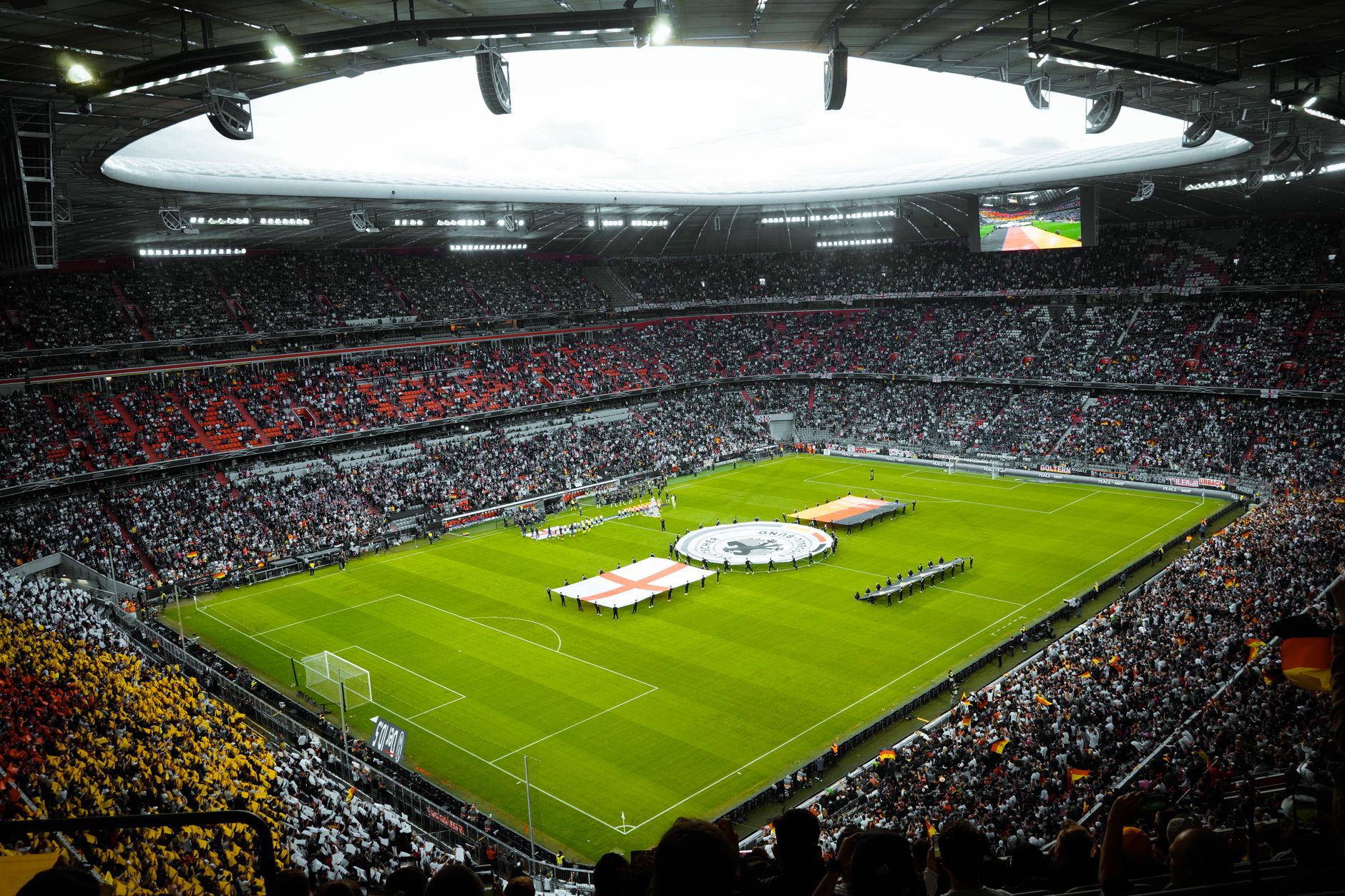
- The shift from traditional new construction to leveraging existing iconic venues, like the Rose Bowl and SoFi Stadium, is a key strategy aimed at cost containment and sustainability, though it presents unique logistical puzzles.
The Human Face
For many Angelenos, the upcoming LA28 Games represent a complex mix of excitement and apprehension. While there's undeniable pride in hosting such a globally significant event, the everyday realities of living in a bustling metropolis mean that concerns about traffic congestion, potential displacement, and the allocation of public resources are very real. Residents in areas surrounding proposed venues, for instance, are already grappling with the prospect of increased construction, noise, and altered daily commutes, impacting their quality of life long before the opening ceremonies.
Small business owners, particularly those in hospitality and retail, are cautiously optimistic, hoping for an economic boom but also wary of the logistical nightmares that could deter local customers. The promise of job creation is a significant draw, yet questions persist about whether these will be sustainable, well-paying positions or primarily temporary, low-wage roles. The human element of the Olympics extends beyond the athletes; it encompasses the millions of people whose lives will be directly and indirectly affected by the preparations and the event itself, from street vendors to healthcare workers.
Community organizers are actively working to ensure that the benefits of the Games are equitably distributed and that the voices of marginalized communities are heard. They advocate for robust community benefit agreements, affordable housing protections, and transparent decision-making processes to prevent the Games from exacerbating existing social inequalities. The legacy of LA28, therefore, will not just be measured in medals or tourism revenue, but in how it impacts the lives of ordinary Angelenos long after the Olympic flame is extinguished, shaping their neighborhoods and their future.
How We Got Here
Los Angeles secured the 2028 Olympic and Paralympic Games through a unique tripartite agreement with Paris (2024) and the International Olympic Committee (IOC) in 2017. Initially bidding for the 2024 Games, LA pivoted to 2028 after Paris emerged as the preferred candidate for the earlier date. This unprecedented dual award was seen as a strategic move by the IOC to stabilize the bidding process and ensure two strong host cities for the upcoming cycles. LA's bid emphasized its existing world-class infrastructure, a key factor in reducing costs and avoiding the 'white elephant' venues that have plagued past Olympic hosts, and its deep-rooted Olympic history, having successfully hosted in 1932 and 1984.
The bid committee, led by Casey Wasserman, presented a compelling vision centered on sustainability, innovation, and leveraging the city's diverse cultural landscape. A significant part of this vision involved utilizing iconic existing venues like the Los Angeles Memorial Coliseum, SoFi Stadium, and the Rose Bowl, rather than embarking on extensive new construction. This 'no new permanent venues' pledge was a cornerstone of the financial plan, aiming to keep the budget in check and minimize environmental impact. The city's robust public transportation network, though still undergoing expansion, was also highlighted as a crucial asset for moving athletes and spectators efficiently across the sprawling metropolis.
Since the award, the LA28 Organizing Committee has been engaged in intricate planning, navigating the complexities of a city as vast and diverse as Los Angeles. This has involved establishing partnerships with various governmental agencies, private entities, and community groups. Early efforts focused on solidifying venue plans, developing a comprehensive security strategy, and initiating fundraising campaigns. The shift to a five-year countdown has intensified these efforts, moving from conceptual planning to detailed operational execution, with the clock ticking relentlessly towards the opening ceremony in July 2028. The journey from bid to actualization is a marathon, not a sprint, and LA is now in its final, most demanding laps.
Why This Cannot Be Ignored
The LA28 Olympic Games represent a monumental undertaking with profound implications for the city of Los Angeles and its residents. Beyond the spectacle of athletic competition, the Games will exert immense pressure on the city's infrastructure, public services, and financial stability. The projected $6.9 billion budget, while initially self-funded through private sponsorships and ticket sales, carries an inherent risk of cost overruns. History has shown that Olympic Games frequently exceed their initial budgets, and any shortfall could potentially fall on the shoulders of California taxpayers, diverting crucial funds from other pressing public needs like housing, education, or healthcare. This financial vulnerability demands constant scrutiny and transparent oversight.
Furthermore, the sheer scale of the event will test Los Angeles's capacity to manage massive influxes of tourists, athletes, and media. Traffic congestion, already a chronic issue, is expected to worsen significantly, impacting daily commutes, local businesses, and emergency services. The deployment of extensive security measures, while necessary, will inevitably lead to temporary restrictions and disruptions in various neighborhoods, potentially affecting residents' access and mobility. These operational challenges are not merely inconveniences; they can fundamentally alter the quality of life for millions during the Games and require robust, proactive mitigation strategies.
Perhaps most critically, the LA28 Games present a pivotal opportunity to either exacerbate or alleviate existing social inequalities. While proponents highlight economic benefits and job creation, critics warn of potential gentrification, displacement of vulnerable communities, and the prioritization of tourist infrastructure over local needs. Ensuring a truly equitable and sustainable legacy requires more than just rhetoric; it demands concrete commitments to affordable housing, community development, and robust public engagement. The success of LA28 will ultimately be judged not just by its athletic achievements, but by its lasting impact on the social fabric and long-term well-being of all Angelenos, making it an event that no one can afford to ignore.
Possible Paths Forward
To ensure the LA28 Games are a resounding success and leave a positive, enduring legacy, the organizing committee and city officials must prioritize transparent financial management and robust community engagement. One critical path involves establishing an independent oversight committee with broad powers to monitor spending, review contracts, and provide regular public reports on the budget's status. This would help build public trust and preemptively address potential cost overruns, ensuring that any financial adjustments are made with full accountability. Simultaneously, proactive communication campaigns are essential to keep residents informed about logistical changes, security measures, and opportunities for participation, fostering a sense of ownership rather than alienation.
Another crucial strategy involves maximizing the long-term benefits for Los Angeles beyond the two-week spectacle. This means strategically investing in infrastructure upgrades that serve both the Games and the city's future needs, such as enhancing public transit routes, improving broadband access in underserved areas, and revitalizing public parks and recreational facilities. Rather than temporary fixes, these investments should be integrated into existing urban development plans, ensuring they provide lasting value to residents. Furthermore, developing robust programs to connect local businesses and job seekers with opportunities created by the Games can ensure that economic benefits are widely distributed, particularly to small and minority-owned enterprises.
Finally, the LA28 committee should continue to champion its innovative approach to sustainability and existing venue utilization, while also exploring new technologies to enhance the spectator and participant experience without escalating costs. This includes leveraging digital platforms for ticketing, information dissemination, and even virtual engagement, reducing the physical footprint where possible. Lessons learned from previous Olympic cities, both positive and negative, must be rigorously applied to refine operational plans and contingency measures. By focusing on fiscal prudence, community integration, and sustainable innovation, Los Angeles can set a new standard for future Olympic Games, demonstrating that global events can be both spectacular and responsible.
Questions People Are Actually Asking
What to Watch
- The evolution of the LA28 budget: Keep a close eye on any revisions to the projected $6.9 billion budget and how potential overruns are addressed, especially regarding the use of taxpayer funds.
- Infrastructure development progress: Monitor the timelines and completion of key transportation projects and venue upgrades, as delays could significantly impact operational readiness and public convenience.
- Community engagement initiatives: Observe how the organizing committee responds to community concerns regarding traffic, housing, and resource allocation, particularly in neighborhoods directly affected by the Games.
- Sponsorship and fundraising efforts: Track the success of private fundraising campaigns and the securing of major sponsors, which are crucial for maintaining the self-funded model of the Games.
- Security planning updates: Look for detailed announcements regarding security protocols, traffic management plans, and public access restrictions as the Games draw closer, ensuring public safety without undue burden.
- Technological innovations: Watch for the integration of new technologies in venue operations, spectator experience, and sustainability efforts, as LA28 aims to be a forward-thinking and environmentally conscious event.













Comments
No comments yet. Be the first to comment!