
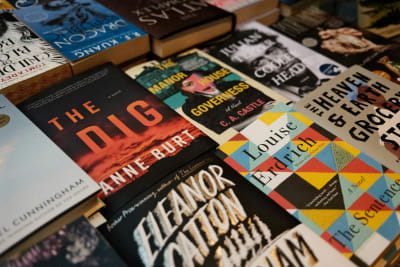
The hushed reverence of a gallery opening, once the exclusive domain of seasoned connoisseurs and the ultra-wealthy, is now a stage set for a more complex drama. This spring, amidst the clinking of champagne flutes and polite murmurs, a palpable shift was in the air, a subtle recalibration felt by those who navigate the intricate currents of the global art market. It wasn't just the quality of the works on display, but the very nature of who was acquiring them, how they were doing so, and the underlying economic forces shaping these decisions. The familiar rhythm of established auction houses and blue-chip galleries suddenly felt like it was keeping time with a new, more democratic beat, driven by forces that have reshaped commerce across the board. The trajectory of the art market's modern iteration is a story of transformation, moving from an opaque, word-of-mouth affair to a more visible, albeit still intricate, ecosystem. In recent decades, the rise of online platforms and a more interconnected world have democratized access, bringing both new buyers and new pressures to bear on traditional structures. The spring season, typically a bellwether, now reflects not just aesthetic tastes but also the broader economic climate, geopolitical uncertainties, and a generational transfer of wealth and influence. What was once a relatively closed circuit has expanded, drawing in a wider array of participants and demanding a more nuanced understanding of its mechanics. Data from Art Basel and UBS's annual report offers a compelling snapshot of this evolution. Their 2023 report revealed that the global art market's value reached an estimated $65 billion, a figure that, while slightly down from its 2022 peak, still underscores its robust nature. Crucially, the report highlighted a significant surge in online sales, which accounted for 12% of total market value in 2023, a testament to the digital infrastructure that has become indispensable. This digital penetration is not merely a convenience; it represents a fundamental change in how art is discovered, evaluated, and purchased, blurring geographical boundaries and extending the market's reach. The proliferation of social media platforms has undeniably amplified this transformation. Instagram, in particular, has become a virtual gallery, a discovery engine, and a marketplace all in one. Artists can now bypass traditional gatekeepers to connect directly with potential buyers, showcasing their creative process and building personal brands. Collectors, too, use these platforms to research artists, gauge market trends, and even engage in informal bidding. This visual-first culture has created a new form of accessibility, allowing a broader public to engage with art, even if they aren't making six-figure acquisitions. Public reaction to these shifts is a mixed bag, often reflecting anxieties about authenticity, accessibility, and the commodification of culture. While some celebrate the democratization of art, seeing it as a positive force that broadens appreciation and supports emerging talent, others lament the potential loss of curated expertise and the perceived 'insta-fame' that can overshadow artistic merit. Online forums and art-focused social media groups buzz with debates about the impact of NFTs, the role of influencers in the art world, and whether the market is becoming too speculative, driven by investment potential rather than intrinsic artistic value. Beyond the immediate transactions, these changes carry profound societal implications. The art market is not merely an economic engine; it's a mirror reflecting our values, our aspirations, and our cultural hierarchies. As digital access increases, questions arise about intellectual property, provenance in the virtual realm, and the ethical considerations of art as an asset class. The very definition of 'art' and 'artist' is being challenged and expanded, leading to more diverse voices and perspectives gaining traction, which can only enrich the cultural landscape in the long run. Speaking with gallerists in Chelsea and auction specialists at Phillips, a common refrain emerged: adaptability is key. "We've seen a younger demographic, often introduced to us through online channels, become increasingly active buyers," noted one gallery director who requested anonymity to speak candidly about client acquisition strategies. "They are informed, they are digitally savvy, and they are not afraid to explore beyond the established names." This sentiment was echoed by an analyst at a major art investment firm, who pointed to the growing interest in emerging markets and mid-career artists as evidence of a more diversified investment appetite, moving beyond the predictable dominance of a few canonical figures. The future of the art market appears poised for continued evolution, driven by technological innovation and shifting consumer behaviors. The tension between established institutions and disruptive digital forces will likely intensify, creating both challenges and opportunities. As the market continues to adapt, the conversation will inevitably move towards issues of sustainability, the ethical implications of art as an investment vehicle, and how to foster genuine appreciation in an increasingly saturated and fast-paced visual culture. What remains constant is the enduring human desire to connect with creativity, a force that will continue to shape the art world in unpredictable ways.
In Brief
Explore the dynamic shifts within the global art market, from the rise of digital sales and social media influence to changing collector habits and societal implications.Advertisement



Comments
No comments yet. Be the first to comment!