
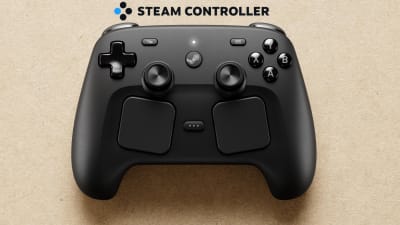
Gamers anticipating a full-fledged PC gaming revolution delivered through Valve's ambitious Steam ecosystem were met with a surprise this week: the standalone Steam Controller is launching May 4th, priced at $99.99 USD. This staggered release strategy deviates from the initial, widely held expectation that the controller would arrive in lockstep with the much-hyped Steam Machines, the custom-built PCs designed to bring Steam's vast library to the living room. The sudden confirmation, following a cryptic unboxing video that surfaced last week, has injected a dose of reality into the feverish speculation surrounding Valve's hardware initiatives. This tactical pivot underscores a fundamental challenge Valve faces: translating its dominant PC gaming platform into a cohesive, consumer-friendly hardware offering. The Steam Controller, with its unique dual trackpads and haptic feedback, represents a bold reimagining of game input, aiming to bridge the gap between the precision of mouse-and-keyboard and the accessibility of a traditional gamepad. Its early release, however, raises questions about its purpose as a standalone product. Is it a testbed for new input methods, a way to generate revenue while the larger Steam Machine project matures, or a deliberate strategy to build anticipation for the full package? The implications of this phased rollout extend far beyond mere release dates. The Steam Machine initiative, first announced in 2013, promised to disrupt the console market by offering a more open, customizable alternative. By delaying the broader ecosystem, Valve risks losing the initial momentum and alienating early adopters who were eager to embrace a new paradigm in home entertainment. The success of the controller hinges on its ability to find a market beyond the dedicated Steam Machine enthusiast, potentially converting PC players to a new form of input or even attracting console gamers looking for something different. This situation directly affects a diverse group of stakeholders. Hardcore PC gamers, who form the bedrock of Steam's user base, are likely to be the primary early adopters of the controller, curious to see how it performs with their existing library. Developers, who have been working with Valve's hardware specifications, now have to consider how to best support this innovative input device in their games, especially those not specifically designed for living room play. Finally, potential consumers who were waiting for the complete Steam Machine package might find themselves in a holding pattern, unsure whether to invest in a controller that may not reach its full potential without the intended hardware. The underlying issue this rollout highlights is the inherent difficulty in disrupting established markets with complex, multi-faceted hardware ecosystems. Valve, a software giant, is venturing into hardware manufacturing and ecosystem building, a domain dominated by seasoned players like Sony, Microsoft, and Apple. The company’s strength lies in its software platform and community engagement, but translating that into a seamless hardware experience requires a different set of skills and strategic execution. The initial vision of Steam Machines was ambitious, aiming to replicate the PC’s flexibility in a console-like form factor, but the practicalities of manufacturing, distribution, and consumer adoption have proven to be formidable hurdles. Valve's approach to gaming has always been disruptive, from its pioneering digital distribution model to its foray into virtual reality with the Valve Index. This controller, however, represents a more direct challenge to established input methods. The company has reportedly invested heavily in its haptic feedback technology, aiming to provide nuanced tactile sensations that go beyond simple rumble. Early reports suggest the controller features a high-resolution trackpad capable of simulating physical buttons and textures, a significant departure from traditional analog sticks and D-pads. While the exact reasons for the staggered launch remain unclear, speculation points to a few possibilities. Production bottlenecks, refinement of the Steam Machine hardware, or a strategic decision to build market awareness for the controller as a standalone product are all plausible. The $99.99 price point positions it as a premium accessory, suggesting Valve is confident in its unique value proposition. This price point is notable, placing it above most existing PC gamepads and on par with some premium console controllers, signaling a target audience that values innovation and advanced features. The path forward for Valve's hardware ambitions is now more uncertain, yet potentially more focused. The early release of the Steam Controller serves as a crucial test case. Its reception by the gaming public will undoubtedly inform Valve's future hardware strategies, whether that involves iterating on the controller, accelerating the Steam Machine launch, or pivoting entirely. Gamers will be watching closely to see if this unconventional gamepad can carve out its own niche or if it becomes a fascinating, yet ultimately isolated, experiment in the evolving landscape of interactive entertainment.
In Brief
Valve's new Steam Controller is launching on May 4th, a move that diverges from expectations of a full Steam Machine ecosystem release. This independent investigation explores the implications of this phased rollout.Advertisement





Comments
No comments yet. Be the first to comment!