

The political landscape for Republican candidates is increasingly being defined by their relationship with former President Donald Trump. In a series of pivotal primary contests unfolding this week, the ultimate arbiter of success for many GOP hopefuls appears to be not policy positions or traditional party platforms, but the direct endorsement of the former president. This dynamic is forcing a stark choice for Republicans: align with Trump or risk political exile within the party. This trend is more than just a fleeting moment in electoral politics; it signifies a fundamental shift in how the Republican Party selects its candidates and, by extension, its direction. Trump's ability to mobilize a dedicated base of primary voters remains a potent force, capable of elevating challengers and punishing incumbents who have dared to defy him. This week's ballots in states like Kentucky, Georgia, and Alabama will provide the latest, and perhaps most telling, evidence of whether this loyalty test has become the absolute litmus for Republican viability. The human cost of this political calculus is significant. Consider the case of Representative Thomas Massie in Kentucky. A seasoned congressman since 2012, Massie finds himself in a primary battle against a Trump-backed newcomer, Ed Gallrein. Massie's offense? A consistent record of bucking party leadership and, crucially, Trump himself on issues ranging from transparency regarding the Jeffrey Epstein case to voting against the signature tax cuts of the previous administration. His campaign is now a test of whether voters will prioritize an established record of conservative governance or unswerving fealty to Trump. This phenomenon is not confined to Kentucky. In Georgia, the gubernatorial primary offers another stark illustration. Lieutenant Governor Burt Jones, a wealthy scion of a prominent Georgia family, has Trump's backing. However, he faces a formidable financial challenge from billionaire Rick Jackson, who has poured over $83 million of his personal fortune into his campaign. While Jones has also invested heavily, with $19 million of his own funds, the sheer disparity in spending highlights the unpredictable outcomes when Trump's endorsement meets overwhelming financial firepower. The implications extend beyond individual races. The Republican Party's infrastructure, from national committees to state parties, often finds itself navigating the treacherous waters of Trump's directives. Candidates are increasingly pressured to adopt Trump's talking points and mirror his rhetoric, even on issues where traditional Republicanism might dictate a different approach. This creates an environment where policy debates can be sidelined by loyalty pledges, potentially diluting the party's broader appeal and its ability to craft cohesive legislative agendas. Past performance provides a grim outlook for Trump's adversaries. Senator Bill Cassidy of Louisiana, who voted to convict Trump in his second impeachment trial, recently failed to advance in his primary, signaling the long-term consequences of crossing the former president. Similarly, in Indiana, Trump's intervention successfully ousted five out of seven Republican representatives who had opposed his redistricting plans. These instances serve as potent warnings to any Republican contemplating independent action or dissent. While Trump's endorsement is a powerful tool, it is not an invincible one. The sheer scale of personal investment in races, such as Jackson's bid in Georgia, can potentially overwhelm the symbolic power of an endorsement. Furthermore, in districts or states where Trump's direct influence is less pronounced, or where strong local Republican leaders exist, candidates might still find pathways to victory by focusing on traditional conservative principles and constituent service. The upcoming primary results will offer a crucial snapshot of the Republican Party's trajectory. Will Trump's influence continue to dominate these intra-party contests, cementing his role as the party's kingmaker? Or will we see signs of voters prioritizing other factors, suggesting a potential, albeit slow, diversification of the party's leadership criteria? The answer will shape not only who runs for office in November but also the fundamental identity of the Republican Party for years to come. Observers will be watching closely to see if Trump's endorsement remains the golden ticket or if other forces begin to reassert themselves within the GOP.
In Brief
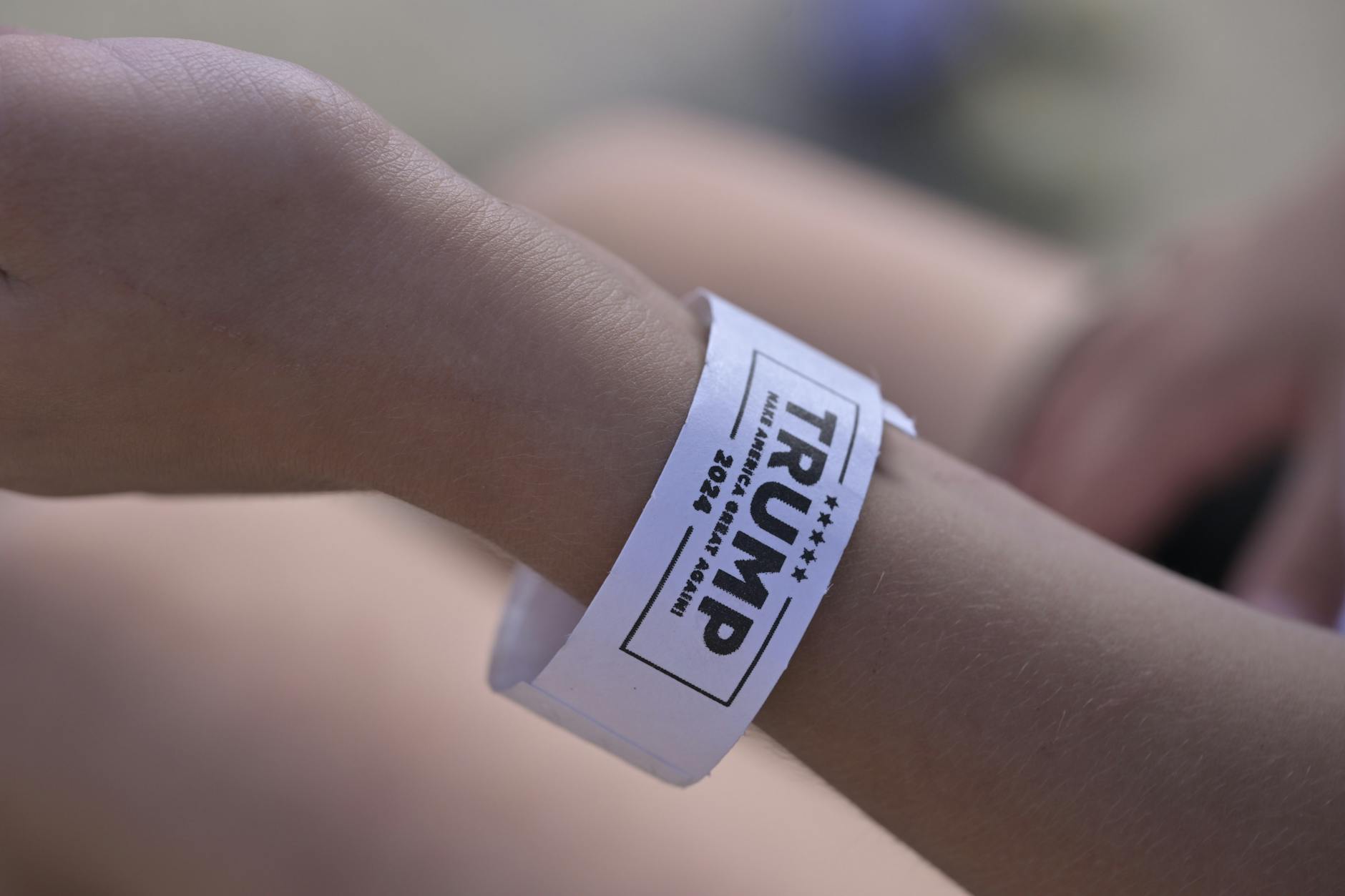
Donald Trump's influence over Republican primaries is being tested as voters decide whether loyalty to the former president trumps traditional qualifications and policy stances.Advertisement




Comments
No comments yet. Be the first to comment!