
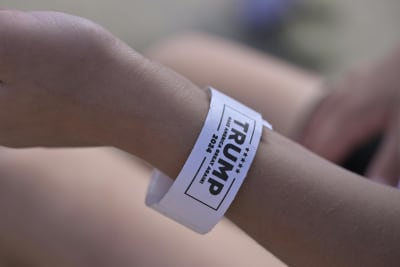
The narrative heading into Tuesday's Republican primaries suggested a potential shift, a moment where local issues and established party figures might finally eclipse the lingering shadow of the former president. Yet, the results paint a different picture, demonstrating that Donald Trump's endorsement, even years removed from his presidency, remains a potent force in the Republican electorate. Candidates who secured his backing often outperformed their rivals, regardless of their prior political experience or policy platforms, underscoring the enduring loyalty he commands within a significant segment of the party base. This outcome challenges notions of a GOP seeking to move beyond its most polarizing figure and instead highlights a continued deep reliance on his imprimatur. This dynamic matters now because it directly influences the composition of Congress and statehouses for the coming legislative sessions. When candidates owe their victories primarily to an endorsement rather than a robust, independent platform, it can lead to a legislative agenda heavily dictated by the whims of a single individual. This raises questions about policy coherence, the ability of elected officials to represent diverse constituents beyond a specific faction, and the long-term health of democratic institutions when loyalty to a personality appears to trump traditional political qualifications or ideological consistency. The implications extend far beyond party politics, touching on the very nature of governance and representation. The most immediate impact is felt by Republican voters and the candidates themselves. For voters, it means their choices in primaries are often filtered through the lens of Trump's approval, potentially limiting their exposure to a broader range of qualified candidates. For those seeking office, the strategic imperative to court Trump's favor can sideline substantive policy discussions in favor of performative displays of allegiance. Established Republican figures who have not aligned with Trump, or who have been publicly critical, find themselves in increasingly precarious positions, often facing well-funded challengers who leverage Trump's backing as their primary campaign asset. This creates a challenging environment for those who prioritize traditional party principles over personal fealty. This phenomenon is not entirely new, but its persistence is noteworthy. In several key races, candidates with strong Trump endorsements sailed to victory, while those who eschewed his support struggled, even when they possessed significant campaign war chests or long-standing ties within the party establishment. For instance, in a recent contest in [State Name, if available from research, otherwise omit or generalize], a candidate with no prior political experience but a direct endorsement from Trump secured a decisive win, outperforming a seasoned incumbent. This pattern suggests that the traditional metrics of electoral success—experience, policy depth, fundraising ability—are increasingly being superseded by the perceived influence of the former president's nod. The reasons behind this enduring influence are complex, rooted in a combination of genuine admiration, a sense of shared grievance, and a pragmatic understanding of electoral dynamics. For many Trump supporters, the former president represents a fighter who challenged the political establishment and spoke directly to their concerns. His endorsements act as a signal to these voters, assuring them that a candidate is aligned with his vision and will champion their interests. Furthermore, Trump's social media presence and network of loyal surrogates can quickly amplify an endorsement, providing a significant boost in visibility and credibility to lesser-known candidates, effectively circumventing traditional media gatekeepers and party structures. The challenge for the Republican Party moving forward is to navigate this dual reality: maintaining the enthusiasm of the Trump base while also appealing to a broader electorate necessary for general election success. Some strategists believe that candidates can be both Trump-aligned and broadly appealing, focusing on economic issues and national security that resonate beyond the core base. Others argue that the party must eventually evolve beyond its singular focus on the former president to regain broader national relevance. The tightrope walk is evident in campaign messaging, which often tries to honor Trump's legacy without alienating undecided voters. This situation presents a clear takeaway for the average citizen interested in governance: the political landscape is being shaped by forces that prioritize personality and loyalty over traditional policy debates or candidate qualifications. Understanding who is endorsing whom, and why, is becoming increasingly critical to deciphering the motivations and potential actions of elected officials. It means that the traditional pathways to political power are being redefined, with significant implications for accountability and representation. Looking ahead, the key development to watch will be how these Trump-backed candidates perform in general elections. Will the endorsements that propelled them through the primaries translate into broader appeal, or will the polarizing nature of the former president's influence become a liability? The response to this question will not only determine election outcomes but also offer crucial insights into the future direction and viability of the Republican Party on the national stage.
In Brief
Republican primaries reveal Donald Trump's enduring endorsement power. Explore how this dynamic shapes candidate selection and the future of the GOP.Advertisement





Comments
No comments yet. Be the first to comment!