

Key Takeaways
- Google is undergoing a significant leadership restructuring within its foundational AI teams, consolidating power under Demis Hassabis and elevating key figures to new, critical roles to streamline development.
- The reorganization is a direct response to Google's massive capital expenditure, which soared to $12 billion in Q1 2024, primarily driven by the urgent need to build out robust AI infrastructure, including advanced data centers and specialized AI servers.
- This strategic pivot underscores Google's relentless pursuit of competitive advantage in the fiercely contested AI landscape, signaling an intensified focus on accelerating product development and deploying cutting-edge AI capabilities across its ecosystem.
- The internal shake-up aims to foster greater efficiency and synergy between Google DeepMind and other core AI research divisions, ensuring a unified approach to developing next-generation AI models and applications.
- Investors and analysts are closely monitoring these developments, as the substantial investment in AI infrastructure and the leadership changes are expected to have a profound impact on Google's long-term growth trajectory and market position.
- The move highlights the immense pressure on tech giants to innovate at an unprecedented pace, with Google demonstrating a willingness to make bold organizational changes and significant financial commitments to secure its future in the AI era.
Background
Google, a titan in the technology sector, has recently announced a significant reorganization within its foundational artificial intelligence teams. This strategic realignment is not merely an internal reshuffle but a direct consequence of the company's aggressive, multi-billion dollar investment into AI infrastructure. The move consolidates power and responsibility under Demis Hassabis, the CEO of Google DeepMind, signaling a clear intent to streamline and accelerate AI development across the entire organization. This consolidation aims to foster greater synergy between Google's various AI research arms, ensuring a more cohesive and efficient approach to innovation in a highly competitive field.
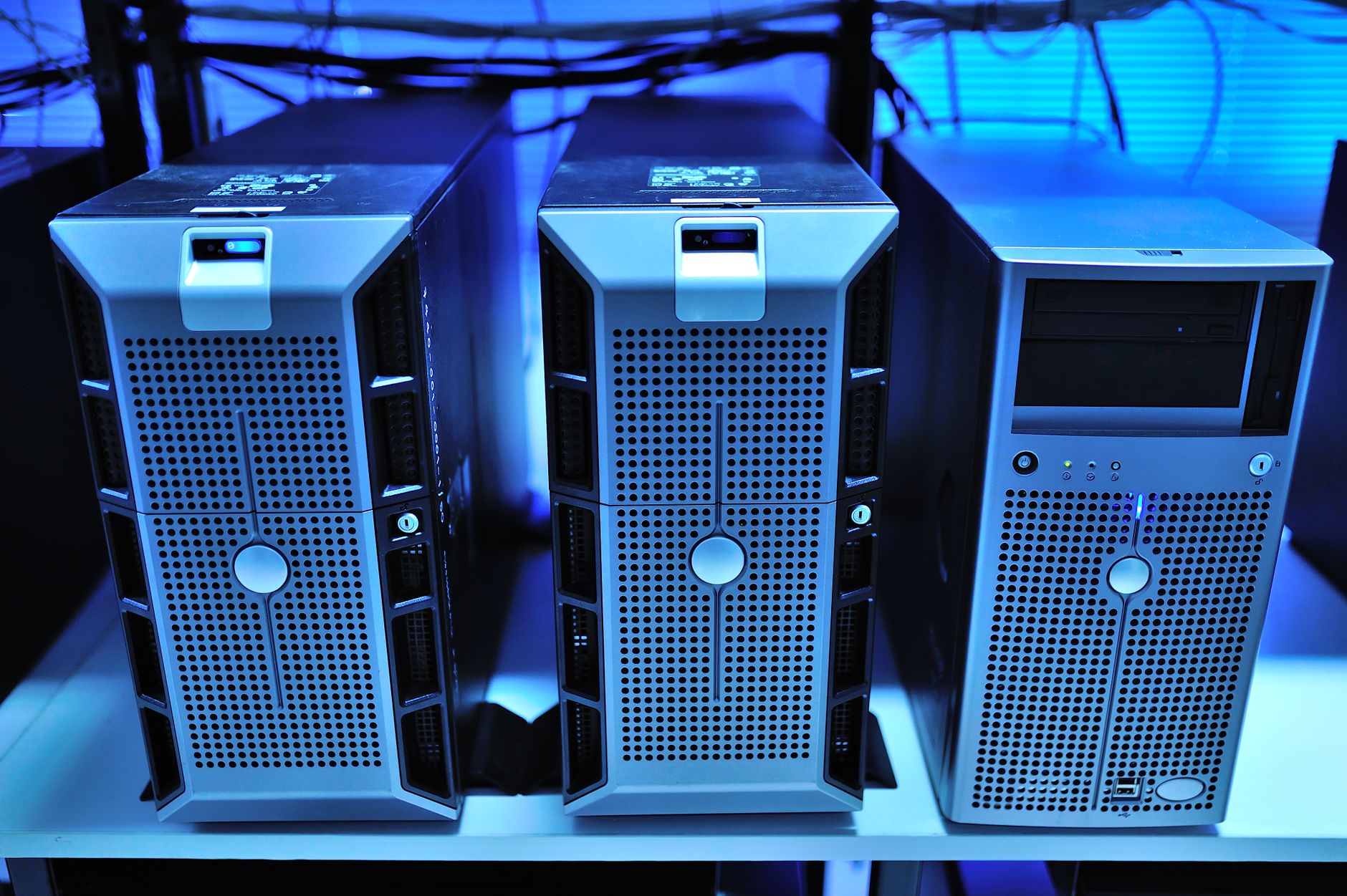
The impetus behind this structural change is Google's unprecedented capital expenditure, which reached a staggering $12 billion in the first quarter of 2024 alone. This colossal investment is predominantly channeled into constructing state-of-the-art data centers and acquiring specialized AI servers, essential components for training and deploying advanced AI models. The scale of this financial commitment underscores the critical importance Google places on maintaining its leadership position in AI, recognizing that robust infrastructure is the bedrock upon which future AI breakthroughs will be built. This expenditure represents a strategic bet on the future, where AI capabilities will define market dominance.
This leadership shake-up sees key figures like James Manyika, previously a senior vice president, transitioning to a new role focused on technology and society, reporting directly to CEO Sundar Pichai. Additionally, Sissie Hsiao, who spearheaded Google Assistant and Bard, will now lead the company's core AI products, further emphasizing the integration of AI into Google's primary offerings. These shifts are designed to optimize resource allocation and talent deployment, ensuring that Google's brightest minds are focused on the most pressing AI challenges and opportunities. The goal is to accelerate the pace of innovation, bringing cutting-edge AI from research labs to consumer products with unprecedented speed and efficiency.
Why It Matters
This leadership restructuring and massive capital outlay are not just internal corporate maneuvers; they represent a critical inflection point for Google's future and the broader AI industry. By consolidating AI development under Demis Hassabis, Google is signaling a unified, aggressive strategy to dominate the AI landscape. This move is crucial because the race for AI supremacy is intensifying, with competitors like OpenAI, Microsoft, and Meta pouring billions into their own research and infrastructure. Google's ability to innovate rapidly and deploy advanced AI models will directly impact its market share, revenue streams, and long-term relevance in an increasingly AI-driven world.
The staggering $12 billion capital expenditure in a single quarter underscores the immense cost and strategic importance of building next-generation AI infrastructure. This investment is not merely about maintaining parity; it's about establishing a decisive advantage. Without robust data centers and specialized AI servers, even the most brilliant algorithms remain theoretical. This expenditure directly translates into the computational power needed to train larger, more sophisticated models, which in turn will power Google's search, cloud, and consumer products. The scale of this investment reflects a high-stakes gamble on AI as the primary engine for future growth, making every dollar spent critical to securing a competitive edge.
Furthermore, the reorganization affects not just Google's internal dynamics but also its external perception and competitive standing. A streamlined, unified AI strategy can lead to faster product development cycles, more coherent AI offerings, and a stronger brand narrative in the AI space. Conversely, any missteps or delays in integrating these new structures could hinder progress. For consumers, these changes promise more powerful and intuitive AI experiences across Google's vast ecosystem, from search results to smart home devices. For investors, it's a clear signal of Google's unwavering commitment to AI, potentially influencing stock performance and market confidence as the company navigates this transformative technological era.
Ground Reality
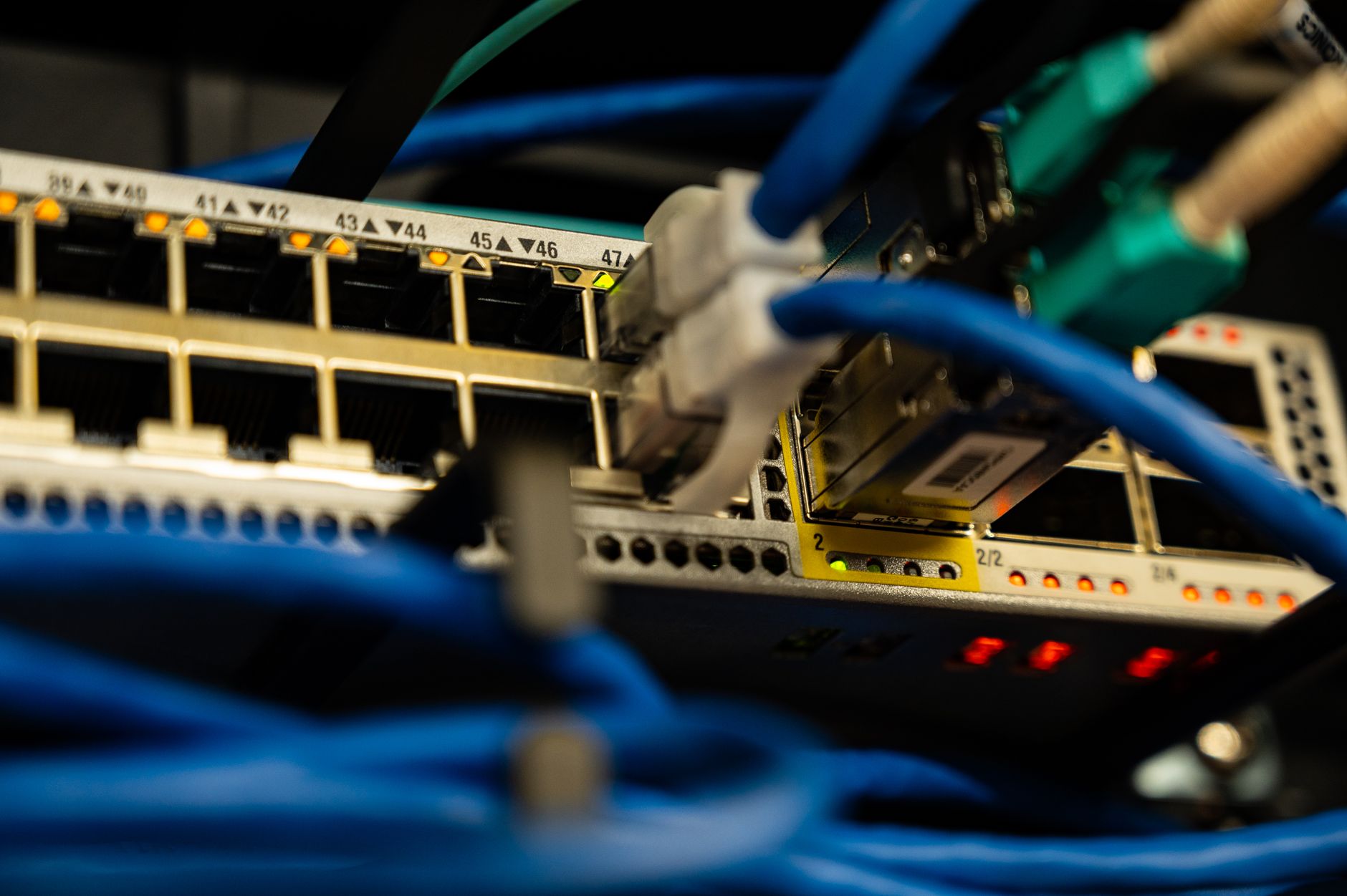
On the ground, Google's data centers are humming with unprecedented activity, fueled by the company's colossal capital expenditure. This isn't just about adding more servers; it's about deploying highly specialized hardware, including Google's custom Tensor Processing Units (TPUs), designed specifically for the intensive computational demands of AI. The construction sites for new data centers are bustling, reflecting a frantic pace to expand capacity and capability. This physical infrastructure forms the backbone of Google's AI ambitions, enabling the training of colossal models like Gemini, which require immense processing power and vast datasets. Without this continuous, rapid expansion, Google risks falling behind competitors who are equally aggressive in their infrastructure build-outs.
The internal restructuring has created a palpable shift in focus within Google's AI divisions. Teams are being re-aligned, reporting structures are changing, and there's an increased emphasis on cross-functional collaboration, particularly between Google DeepMind and other product-focused AI groups. This is a direct response to the need for greater efficiency and speed in bringing AI innovations to market. Employees are navigating new mandates and priorities, with a clear directive to accelerate development and deployment. While such changes can sometimes lead to initial friction, the overarching goal is to create a more agile and unified AI development ecosystem, capable of responding swiftly to emerging technological trends and competitive pressures.
The market reality is that the AI race is a zero-sum game, and Google's aggressive moves reflect this stark truth. Competitors are not standing still; they are also investing heavily and rapidly iterating on their own AI offerings. The pressure to deliver tangible, impactful AI products is immense, and the leadership changes are designed to ensure Google remains at the forefront. This means faster iteration cycles, more robust model development, and a sharper focus on integrating AI seamlessly into Google's core products and services. The success of this reorganization will ultimately be measured by Google's ability to translate its massive investments into superior AI capabilities that resonate with users and maintain its competitive edge in a hyper-dynamic market.
What Experts Are Saying
Industry analysts are largely interpreting Google's leadership reshuffle and surging capital expenditure as a clear and necessary strategic pivot. Many experts view the consolidation of AI development under Demis Hassabis as a critical move to streamline decision-making and accelerate product delivery. "This isn't just a cosmetic change; it's a fundamental restructuring designed to eliminate silos and create a unified vision for Google's AI future," noted one prominent tech analyst. They emphasize that in the current AI arms race, agility and coherence are paramount, and Google's previous decentralized approach may have hindered its ability to respond quickly to market demands and competitive threats.
Economists and financial experts are closely scrutinizing the $12 billion capital expenditure, recognizing it as a significant financial commitment that speaks volumes about Google's long-term strategy. "The sheer scale of this investment signals Google's unwavering belief that AI infrastructure is the new oil," commented a leading financial strategist. They highlight that while such massive spending can impact short-term profitability, it is absolutely essential for securing future growth and maintaining technological leadership. The consensus is that Google is making a calculated bet, prioritizing foundational infrastructure over immediate quarterly gains, which is a common strategy for companies vying for dominance in emerging, high-growth sectors.
Furthermore, AI ethicists and researchers are weighing in on the implications of such rapid and concentrated AI development. While acknowledging the competitive necessity, some express concerns about the potential for 'move fast and break things' mentality to overshadow ethical considerations and safety protocols. "With such intense pressure to innovate, it's crucial that Google maintains its commitment to responsible AI development," cautioned an AI ethics professor. They argue that the speed of development should not compromise the rigorous testing and ethical frameworks necessary to prevent unintended consequences. The balance between aggressive innovation and responsible deployment remains a critical point of discussion among experts as Google accelerates its AI journey.
Frequently Asked Questions
What Happens Next
In the immediate future, Google will be intensely focused on integrating the newly reorganized AI teams and ensuring a smooth transition for key personnel. The emphasis will be on operationalizing the new reporting structures and fostering enhanced collaboration between Google DeepMind and other AI product groups. We can anticipate a period of internal adjustment as teams align with the consolidated vision under Demis Hassabis. The success of this integration will be crucial for Google to realize the anticipated efficiencies and accelerate its AI development pipeline, setting the stage for subsequent product announcements and technological advancements.
Looking ahead, the substantial capital expenditure will continue to manifest in the rapid expansion of Google's AI infrastructure. Expect to see ongoing investments in advanced data centers, specialized AI servers, and cutting-edge hardware designed to support the training and deployment of increasingly complex AI models. This continuous build-out is not a one-time event but a sustained commitment, indicating that Google views robust infrastructure as a perpetual competitive advantage. The pace of these investments will likely remain high, reflecting the escalating demands of next-generation AI and the fierce competition for computational resources.
Over the longer term, the impact of these strategic moves will be evident in Google's product offerings and market performance. We should anticipate a surge in new AI-powered features across Google's core services, from enhanced search capabilities to more sophisticated AI assistants and cloud solutions. The goal is to translate these massive investments and organizational changes into tangible, user-facing innovations that solidify Google's leadership in AI. Investors and the market will be closely watching for signs that these efforts are yielding significant returns, both in terms of technological breakthroughs and sustained revenue growth, ultimately shaping Google's trajectory in the AI-dominated future.













Comments
No comments yet. Be the first to comment!