
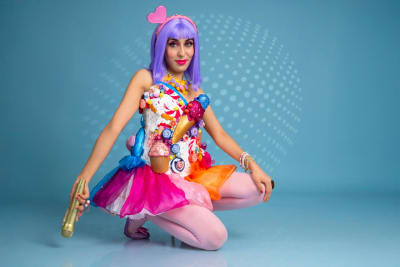
The air at Inglewood's SoFi Stadium is already crackling with anticipation, not just for the roar of the crowd on match day, but for the electrifying pre-game performances announced by FIFA. Pop superstar Katy Perry is slated to headline a star-studded lineup on June 12th, delivering a concert experience that aims to transcend sport and immerse fans in a global celebration of culture just before the United States kicks off its World Cup journey. This isn't merely a warm-up act; it's a deliberate statement of intent from the organizers, signaling the immense scale and international appeal of the tournament's arrival on American soil. The decision to feature such prominent global artists underscores the strategic importance of the World Cup's return to the U.S. for the first time since 1994. FIFA is leveraging the immense drawing power of music to amplify the tournament's reach, tapping into fan bases far beyond traditional soccer enthusiasts. The choice of Perry, known for her massive international following and visually spectacular shows, is a clear indicator that the opening ceremonies are designed to be a global media event, generating buzz and excitement across continents. This approach recognizes that in the modern entertainment landscape, sport and music are deeply intertwined, each amplifying the other's cultural impact. Beyond Perry, the preliminary entertainment roster reads like a who's who of contemporary global music. Rappers Future and Rema, alongside artists like Anitta, Lisa, and Tyla, represent a diverse range of genres and nationalities. This curated selection aims to reflect the multicultural fabric of the tournament itself, which will feature an expanded 48-nation field. By including artists from various regions, FIFA is attempting to acknowledge and celebrate the global nature of the sport and its fanbase, ensuring that the opening festivities resonate with audiences worldwide, not just those in the host nations. The data behind such entertainment choices is significant. Major sporting events have increasingly recognized the economic and cultural benefits of high-profile musical performances. These acts not only draw viewers to the live event but also generate substantial social media engagement and broadcast viewership. For instance, previous FIFA events have seen viewership numbers skyrocket during opening ceremonies, driven by the combined appeal of the sport and its featured entertainers. The inclusion of artists like J Balvin and Maná for the Mexico City opener, and Alanis Morissette and Michael Bublé for the Toronto event, suggests a deliberate strategy to appeal to specific regional demographics while maintaining a global allure. Stakeholder views on this entertainment strategy are largely positive, though nuances exist. FIFA officials are undoubtedly pleased with the potential for increased global visibility and fan engagement, viewing it as crucial for a successful tournament. Local organizing committees, like those in California, see it as an opportunity to showcase their region as a premier entertainment destination. However, some traditional soccer purists might question the emphasis on pop music over more soccer-centric cultural expressions. The goal, however, appears to be broader cultural integration rather than solely catering to existing soccer fandom, aiming to convert new audiences. This story resonates deeply in the current cultural climate because it taps into a shared desire for collective experiences and global unity. In an era often marked by division, major international events like the World Cup, amplified by universally appealing music, offer a rare opportunity for people to connect and celebrate together. The performances at SoFi Stadium are more than just concerts; they are cultural touchpoints designed to build excitement and foster a sense of shared global identity, proving that music remains a powerful lingua franca in connecting diverse populations. What most coverage might miss is the strategic depth behind this entertainment choice. It's not simply about filling time before kickoff; it's a sophisticated marketing and cultural integration strategy. FIFA is consciously using music as a vehicle to broaden the World Cup's appeal, making it more accessible and engaging for a wider demographic. This extends beyond the immediate event, aiming to cultivate a lasting legacy of increased interest in soccer within the U.S. and beyond, by associating the sport with globally recognized cultural phenomena. The implications of this pre-game spectacle extend far beyond the ninety minutes of soccer that will follow. It sets a precedent for how major sporting events can be integrated with popular culture, creating a holistic fan experience. As the tournament progresses, the success of these opening performances will likely influence future event planning, demonstrating the potent synergy between athletic competition and global musical talent. The world will be watching, not just for the goals, but for the rhythm and the rhyme that usher in this historic U.S. World Cup.
In Brief
Katy Perry and a host of global music stars will electrify SoFi Stadium before the first U.S. World Cup match. Discover FIFA's strategy to blend sport and culture for a global audience.Advertisement


Comments
No comments yet. Be the first to comment!