
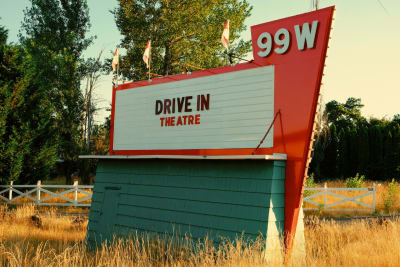
In a time when a single movie ticket rarely dips below double digits, it’s remarkable to recall a bygone era where a family could catch a double feature for less than a dollar. For decades, the Jackson Drive-In and the Bel-Air Drive-In were more than just movie venues; they were vital community hubs that offered an accessible and cherished form of entertainment for generations of Jackson residents. These outdoor theaters, which once dotted the landscape of American leisure, provided a unique blend of cinematic experience and social gathering, fostering memories that still resonate today. The story of Jackson's drive-ins is woven into the fabric of mid-20th century American life. Emerging in the post-World War II era, these theaters offered a distinctly casual and family-friendly alternative to traditional cinemas. The ability for patrons to remain in the comfort of their own vehicles, free from the sartorial expectations and quiet decorum of indoor movie houses, democratized the experience. Children could fidget, nap, or even fall asleep in the back seat without disturbing other moviegoers, making it an ideal outing for families with young children who often lacked access to babysitters. This relaxed atmosphere also appealed to teenagers, who found in the drive-in a space for burgeoning social interaction and a sense of independence. The very first drive-in theater opened its projector to the public in 1933 in Camden, New Jersey, a pioneering venture by Richard Hollingshead. His innovative concept allowed moviegoers to enjoy films from their cars, accommodating those who smoked or simply preferred a less formal viewing environment. Fifteen years later, this innovation made its way to Jackson, Michigan, with the grand opening of the Jackson Drive-In on April 17, 1948. At that time, it was one of twelve such establishments flourishing across Michigan, a testament to the growing popularity of this cinematic format. The initial advertisements boasted state-of-the-art features for the era, including in-car speakers and a massive 60-foot screen, showcasing popular films alongside newsreels and cartoons. The economic landscape of the drive-in theater was defined by affordability. Tickets were significantly cheaper than their indoor counterparts. Adults could often gain admission for around 60 cents, with children under 12 admitted free. This pricing structure, combined with the ability to pack snacks and drinks from home, made the drive-in a budget-conscious choice for families. For context, the average movie ticket price in 1950 was approximately 50 cents nationwide. This made a trip to the drive-in a truly economical entertainment option, especially when compared to today's average ticket price, which hovers around $10-$12. By 1954, the drive-in phenomenon had exploded nationwide, with the National Association of Theater Owners reporting 3,775 drive-in theaters operating across the country. This surge coincided with the rise of teenage culture and the increasing accessibility of automobiles, granting young people newfound freedom and mobility. The drive-in became a quintessential teenage hangout, a place for dates, socializing, and experiencing popular culture away from parental supervision. The term 'passion pit,' often used informally to describe the drive-in's romantic allure, speaks to its significance in the social lives of young people. Dave Kalen, who served as a projectionist at the Jackson Drive-In during the mid-to-late 1970s, shared his perspective in a 2012 interview, recalling the simple joys of the drive-in experience. He lamented that younger generations might not fully grasp the unique pleasure derived from watching a film under the open sky, surrounded by the silhouettes of cars. His sentiment highlights a generational divide in entertainment preferences, underscoring how technological advancements and evolving leisure activities have gradually eclipsed the drive-in's prominence. The decline of drive-in theaters across America, including in Jackson, was a complex phenomenon. Factors such as the advent of television, changing suburban development patterns, rising land values, and the increasing preference for multiplexes offering a wider selection of films and creature comforts all contributed to their gradual disappearance. By the early 2000s, many had closed their doors, becoming relics of a past era. The Jackson Drive-In and the Bel-Air Drive-In eventually succumbed to these pressures, leaving behind a void in the local entertainment landscape and a wealth of nostalgic memories. As we look to the future, the enduring appeal of the drive-in experience is being rediscovered by a new generation, albeit in a different form. While the classic drive-ins of Jackson may be gone, the concept is experiencing a resurgence through pop-up events and retro-themed gatherings in various cities. This revival suggests a persistent human desire for communal, outdoor entertainment and a yearning for simpler times. It will be interesting to observe whether this renewed interest translates into a sustainable model or remains a niche nostalgic trend, and if any new ventures will attempt to capture the magic of those summer nights once more.
In Brief
Step back in time to explore Jackson's beloved drive-in theaters, once vibrant community hubs offering affordable entertainment and lasting memories. Discover their rise, fall, and enduring cultural legacy.Advertisement


Comments
No comments yet. Be the first to comment!