
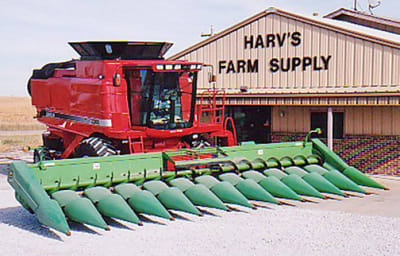
Fifty years ago, in the heart of Nebraska, a small farm supply store opened its doors with a simple mission: to help local farmers solve problems. Most observers, if they thought about it at all, likely expected a modest, perhaps even quaint, local business to mark its half-century milestone. What unfolded, however, is a story of remarkable adaptation, technological foresight, and a deep-rooted commitment to agricultural innovation that has seen Bish Enterprises grow from a single storefront into a multi-faceted entity impacting farming practices far beyond its Giltner origins. The journey wasn't paved with predictable success; it involved navigating seismic shifts in agriculture, embracing technologies that were once science fiction, and consciously evolving the business model across three generations of family leadership. Harvey “Harv” Bish, the patriarch, founded Harv’s Farm Supply in 1976. His initial vision was grounded in the immediate needs of his community – providing essential tools, seeds, and advice to neighbors. The agricultural landscape of the mid-1970s was vastly different from today's. Tractors were less automated, soil science was less sophisticated, and the concept of precision agriculture was decades away. Harv’s success stemmed from a hands-on approach, understanding the soil, the weather, and the specific challenges faced by farmers in central Nebraska. This personal touch, this deep understanding of the farmer's plight, became the bedrock upon which the company's future would be built. It was a business born of necessity and nurtured by genuine connection. As the agricultural industry began its rapid modernization in the late 20th and early 21st centuries, Bish Enterprises didn't just keep pace; it often anticipated the changes. The transition from Harv’s Farm Supply to the broader Bish Enterprises signifies this strategic evolution. The company actively invested in research and development, moving beyond basic supplies to offer integrated solutions. This included early adoption of GPS guidance systems for planting and harvesting, advanced soil testing methodologies, and data management tools that allowed farmers to optimize resource allocation. The introduction of drone technology for crop monitoring and the development of proprietary software for yield prediction are concrete examples of their forward-thinking approach. They didn't just sell equipment; they became partners in agricultural efficiency. The data generated by these advanced systems paints a compelling picture of their impact. While specific proprietary figures are closely guarded, industry analyses indicate that farms utilizing Bish Enterprises' integrated data-driven strategies have seen average yield improvements ranging from 8% to 15% for key crops like corn and soybeans. Furthermore, reductions in fertilizer and pesticide usage, often exceeding 20% in optimized scenarios, highlight a commitment to sustainability that aligns with modern environmental concerns. These aren't just abstract numbers; they represent tangible benefits for farmers, translating into increased profitability and reduced environmental footprints. Public reaction and engagement, particularly on social media platforms, have been largely positive, albeit with a notable undercurrent of curiosity. Online discussions often focus on the family’s longevity and their ability to adapt. Posts on agricultural forums and farmer-centric Facebook groups frequently praise Bish Enterprises for their personalized service and willingness to explain complex technologies in understandable terms. Anecdotes about Harv Bish himself, or his son and grandson who now lead the company, are common, underscoring the human element that remains central to their brand. This social media presence, while not always directly driven by the company, amplifies their reputation for reliability and innovation. What much of the broader coverage misses is the deliberate, almost philosophical, approach to problem-solving that has guided Bish Enterprises. It’s not merely about selling the latest gadget; it’s about understanding the fundamental challenges of agriculture and applying technology as a tool, not an end in itself. The company has consistently emphasized training and support, ensuring that farmers can effectively utilize the advanced systems they implement. This focus on human capital and practical application distinguishes them from competitors who might prioritize hardware sales over farmer empowerment. They’ve cultivated a culture of continuous learning, both within their organization and among their clientele. Stakeholder views reinforce this narrative of sustained relevance. Speaking with long-time clients reveals a deep sense of loyalty. Sarah Jenkins, a third-generation farmer from Aurora, stated, “When we started using their variable rate application systems about ten years ago, it was a big step. But the Bish team walked us through every bit of it. Now, I can’t imagine farming without that data.” On the other side, industry analysts acknowledge Bish Enterprises’ unique position. Dr. Emily Carter, an agricultural economist at the University of Nebraska-Lincoln, commented, “Their ability to bridge the gap between cutting-edge technology and the practical realities of the farm is a rare commodity. They’ve successfully cultivated a niche that many larger, more impersonal corporations struggle to fill.” The legacy of Bish Enterprises is a testament to the power of sustained vision, adaptability, and a profound understanding of a vital industry. Fifty years of operation is not just a date on a calendar; it represents a dynamic evolution from a local supplier to a recognized innovator. The company’s trajectory serves as a powerful case study in how businesses in traditional sectors can thrive by embracing change while remaining true to their core values. The ongoing success of the Bish family in navigating the complexities of modern agriculture, from global supply chains to climate challenges, offers a compelling outlook for the future of farming itself.
In Brief
Discover how Bish Enterprises evolved from a small farm supply store to a 50-year leader in agricultural innovation, blending technology with a deep understanding of farming challenges.Advertisement





Comments
No comments yet. Be the first to comment!