
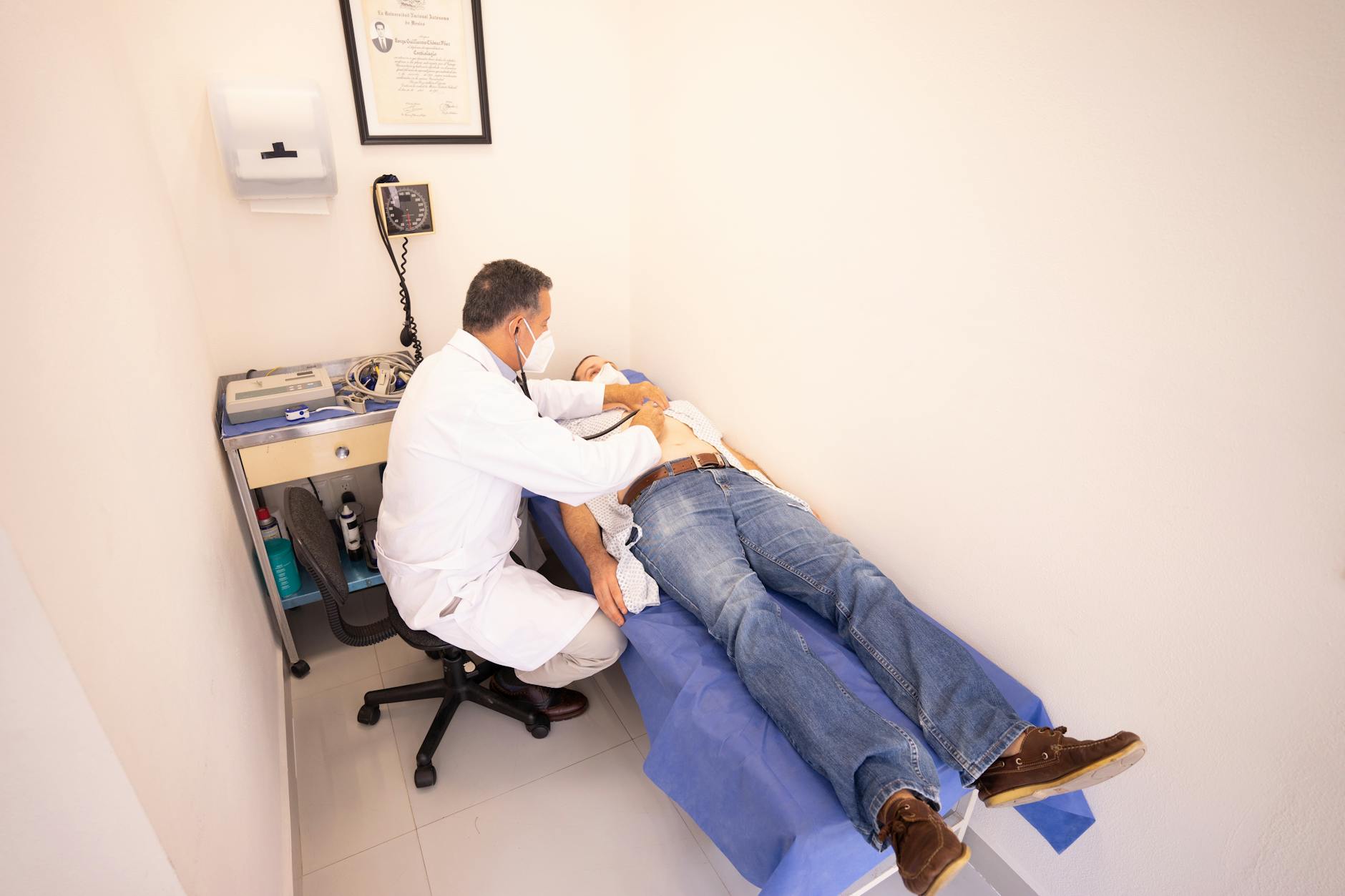
The persistent public fascination with Donald Trump's physical and mental well-being often overshadows the realities of political life and standard medical practice. While social media buzzes with pronouncements of imminent decline or robust vitality, a closer look at the routine medical evaluations and public appearances of the former president reveals a more nuanced picture, one that frequently gets lost in the polarized noise. Trump's recent visit to Walter Reed National Military Medical Center for an annual physical examination has once again ignited a familiar cycle of online speculation. This isn't an unprecedented event; such check-ups are standard for any former president, a testament to the ongoing, albeit informal, scrutiny that accompanies high-profile public figures. The facility itself, a renowned institution, underscores the serious nature of these regular health assessments, serving as a consistent point of reference for presidential health monitoring, whether active or former. Adding to the discourse are observations regarding Trump's behavior and appearance, such as claims of makeup application to conceal physical ailments or the frequency of his dental visits. While these details are readily amplified on platforms like X (formerly Twitter) and Truth Social, they often lack substantiation and tend to be interpreted through pre-existing biases. For instance, a surge in social media activity, including highly critical posts, sometimes precedes or coincides with these medical appointments, leading some to draw direct causal links between his public statements and his health status, a leap that medical professionals generally advise against without direct evidence. The sheer volume of commentary, with figures like left-leaning influencer Harry Sisson describing a recent social media spree as one of Trump's "worst mental health episodes yet," highlights the deep division in how his actions are perceived. Similarly, comments from users like Tom Joseph, who posits that Trump's "health is cratering" and doctors are hiding "severe and worsening dementia," illustrate the extreme end of online conjecture, often framing routine events as evidence of severe, concealed illness. This creates an echo chamber where anecdotal observations are presented as diagnostic proof, bypassing established medical protocols and expert opinions. To contextualize these events, one might look back at the health concerns that have historically shadowed presidencies. From Franklin D. Roosevelt's polio, which was largely concealed from the public, to John F. Kennedy's struggles with Addison's disease and chronic back pain, presidential health has often been a carefully managed narrative. The current era, however, with its instant communication and pervasive social media, allows for far less control over the dissemination of information and a more immediate, often less informed, public reaction to perceived health issues. Data from Walter Reed itself, while not publicly detailing individual patient conditions due to privacy laws, indicates that the center conducts thousands of medical evaluations annually for active-duty military personnel, veterans, and former presidents. The fact that Trump, now approaching 80 years old, undergoes these regular, comprehensive assessments aligns with best practices for individuals in his age group, particularly those who have held the highest office. The specific mention of a "dental evaluation" as part of his May 26 visit, while perhaps appearing unusual to some, is a standard component of a full medical workup. The narrative surrounding Trump's health is further complicated by the intense political polarization. For his critics, any perceived anomaly is immediately interpreted as a symptom of significant decline, a view that aligns with broader political opposition. Conversely, his supporters often dismiss or downplay any concerns, portraying him as vigorous and capable, regardless of external observations. This creates a landscape where objective reporting struggles to gain traction against deeply entrenched partisan interpretations. Ultimately, while the public's interest in the health of its leaders is understandable, the current discourse surrounding Donald Trump's well-being is heavily influenced by social media speculation and political animosity. Without concrete medical evidence released by his physicians, the ongoing stream of online commentary remains largely speculative. The focus on routine check-ups and minor public observations serves as a distraction from the more substantive political and policy discussions that should be at the forefront of public attention. Looking ahead, it will be crucial to observe whether any official medical updates emerge that provide clearer insight, or if the cycle of speculation continues unabated. The public's engagement with these narratives will likely remain a barometer for the broader political climate, underscoring the ongoing challenge of distinguishing informed analysis from partisan conjecture in the digital age.
In Brief
An in-depth look at Donald Trump's health evaluations, separating routine medical checks from the rampant social media speculation that often clouds public perception.Advertisement


Comments
No comments yet. Be the first to comment!