
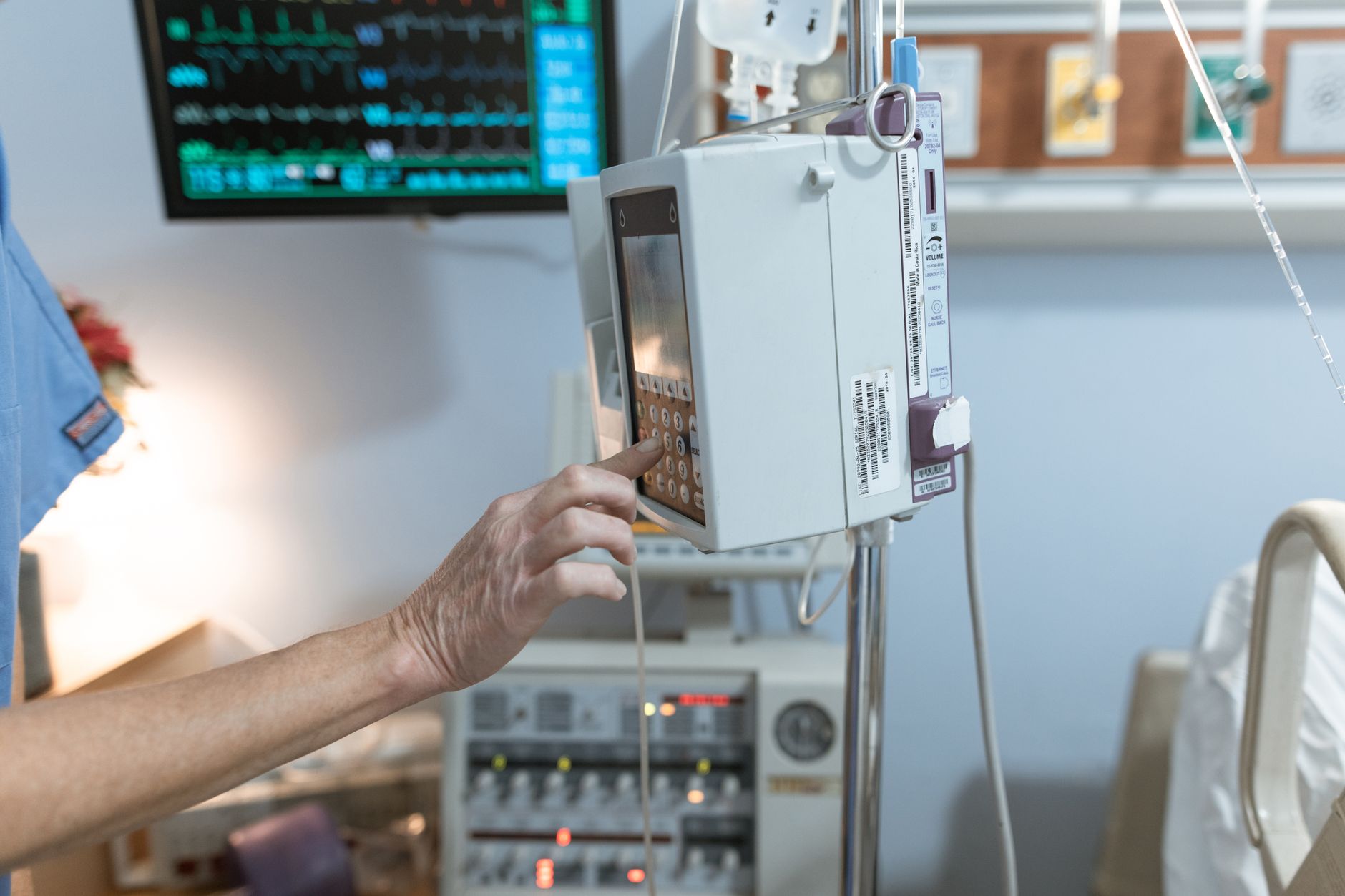
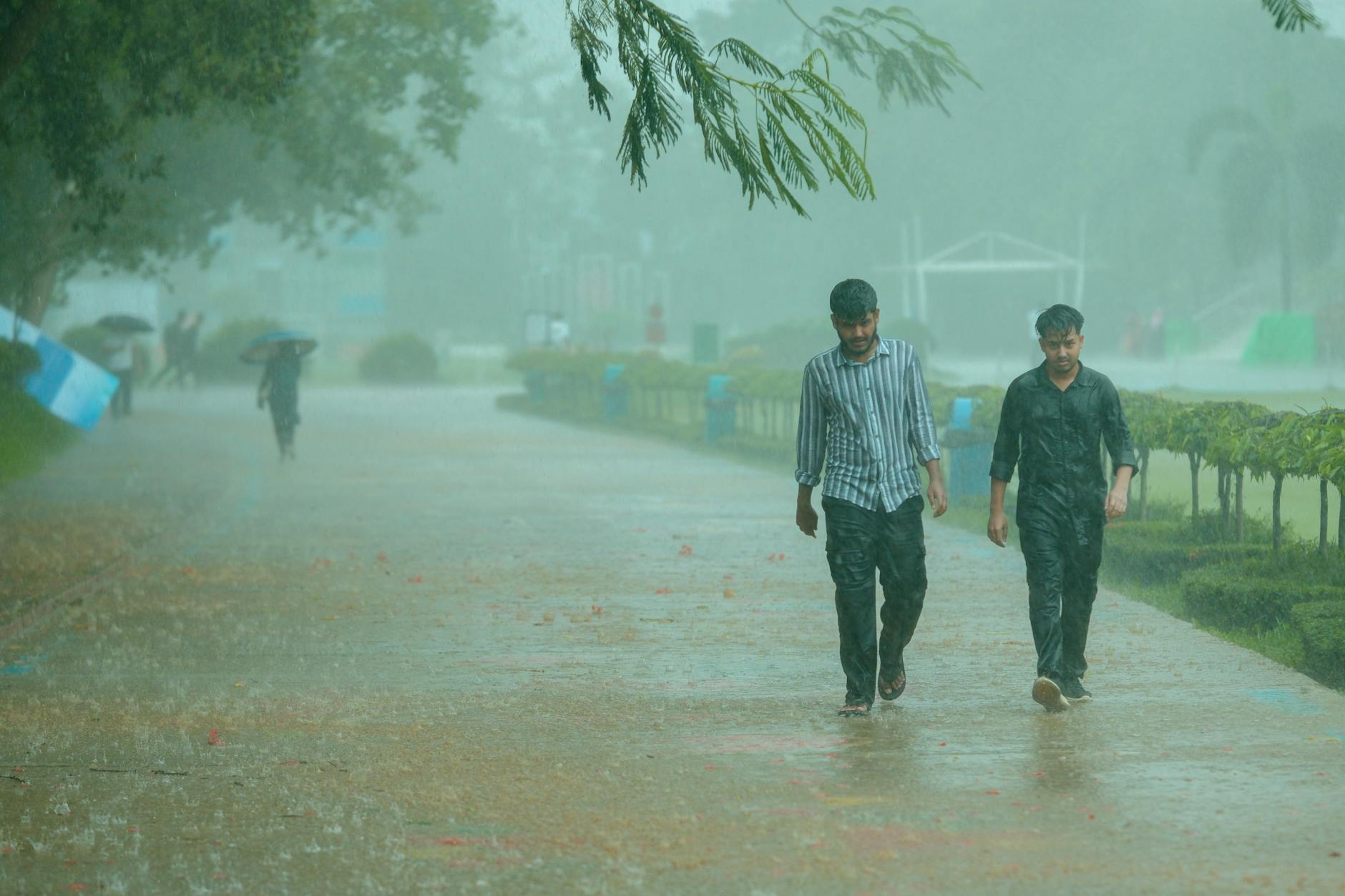
"When a hurricane hits, it's not just about stocking up on water and batteries; it's about ensuring the continuity of care for vulnerable populations," stated Dr. Evelyn Reed, a public health consultant with two decades of experience in disaster response. Her words underscore a critical oversight often present in disaster preparedness: the specific, often life-sustaining needs of individuals managing chronic illnesses. As the Atlantic hurricane season looms, the urgency to integrate medical necessities into broader emergency frameworks has never been more pronounced. This year's heightened focus stems from a confluence of factors. We've witnessed an alarming increase in the frequency and intensity of severe weather events, making preparedness no longer an abstract concept but an immediate necessity. Furthermore, an aging demographic means a larger segment of the population relies on regular medical interventions – from dialysis and oxygen therapy to specialized medications. The disruption caused by a major storm, whether it's power outages affecting medical equipment or inaccessible pharmacies, can quickly escalate from an inconvenience to a life-threatening emergency for these individuals. The implications extend far beyond the immediate aftermath of a storm. For individuals with conditions like diabetes, heart disease, or respiratory ailments, a prolonged lack of access to medication or specialized care can lead to severe complications. Imagine a dialysis patient unable to reach their treatment center due to flooded roads, or an asthma sufferer without access to their inhaler during a power outage that disables their nebulizer. These are not hypothetical scenarios; they are recurring challenges that have been documented in the wake of past disasters, leading to preventable hospitalizations and even fatalities. Beyond the individuals directly impacted, the strain on healthcare systems is immense. Hospitals often become overwhelmed not only by storm-related injuries but also by patients experiencing exacerbated chronic conditions due to lack of preparedness. This diverts critical resources, from medical personnel to bed capacity, from other essential services, creating a ripple effect of diminished healthcare access for everyone in the affected region. What makes this issue particularly resonant now is the growing awareness and the increasing number of individuals directly affected or witnessing the struggles of loved ones. Social media platforms and community forums have become spaces where personal stories of medical emergencies during disasters are shared, amplifying the need for more tailored solutions. This collective experience is pushing policymakers and emergency managers to move beyond generic emergency kits and consider the nuanced requirements of continuous medical management. For the average person, this means a shift in personal preparedness. It's about having conversations with healthcare providers about emergency plans, securing adequate supplies of essential medications for at least a week, and understanding how to maintain critical medical devices if power is lost. It also means advocating within local communities and at the municipal level for inclusive disaster plans that specifically address the needs of the elderly, disabled, and those with chronic health issues. Several initiatives are beginning to address this gap. Lee Health, for instance, has been vocal about the need to incorporate medical needs into hurricane preparedness strategies, recognizing that a robust plan requires more than just evacuation routes. They advocate for pre-identified medical shelters equipped to handle specific patient needs and better communication channels between healthcare providers and emergency responders. Furthermore, federal agencies are starting to emphasize the importance of point-of-dispensing plans for medications during widespread power outages, aiming to ensure that critical prescriptions can still reach those who need them. As we look ahead, the focus must remain on building resilient healthcare infrastructure and community support systems that can withstand the pressures of extreme weather. This includes investing in backup power solutions for critical medical facilities, developing robust telemedicine capabilities for remote patient monitoring, and fostering stronger partnerships between public health organizations, private healthcare providers, and local emergency management agencies. The ultimate goal is to ensure that no individual is left behind when disaster strikes, regardless of their medical circumstances.
In Brief
As hurricane season approaches, experts highlight the critical need to integrate chronic health condition management into disaster preparedness plans. This story explores the growing urgency, the human impact, and potential solutions to ensure vulnerable populations are protected.Advertisement
Comments
No comments yet. Be the first to comment!