
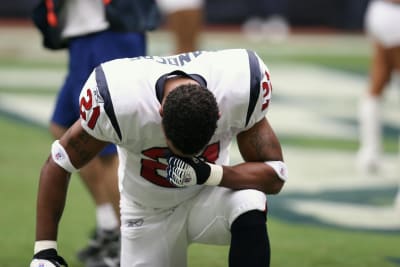
The sterile hum of the courtroom often masks the human drama unfolding within. For Joel Rufus French, a former collegiate All-American and brief NFL player, that drama culminated not in cheers, but in the cold pronouncement of a 16-year federal prison sentence. This sentence, however, is merely the final act in a sprawling, decade-long saga of fraud that saw him pilfer an astonishing $197 million from taxpayer-funded healthcare programs designed to protect the nation's most vulnerable: its seniors and disabled veterans. The sheer scale of the financial devastation is staggering, representing a profound betrayal of trust by a figure who once embodied athletic achievement. French's alleged scheme was a masterclass in exploitation, built upon a foundation of stolen personal data and dubious medical necessity. Operating through a network of durable medical equipment (DME) companies, he is accused of purchasing lists of Medicare and CHAMPVA beneficiaries. These lists, containing sensitive personal information, became the currency for peddling sham prescriptions for orthotic braces. The crucial detail? These braces were often unnecessary, unwanted, or never even delivered to the patients whose identities were used to generate fraudulent invoices. This wasn't just about misplaced ambition; it was a calculated, systematic extraction of funds from programs meant for care. The machinery of deception was elaborate, extending far beyond French's direct oversight. Investigators unearthed a complex web involving overseas telemarketing operations. These call centers, a deliberate tactic to obscure the origin of the fraud, bombarded potential victims with sales pitches for medical devices. Bribes allegedly greased the wheels of this operation, ensuring that the necessary paperwork, however fictitious, would be generated. The Assistant Attorney General underscored the insidious nature of this approach, highlighting how the scheme preyed on the elderly and disabled, effectively weaponizing their vulnerabilities against the very programs intended to serve them. Data paints a grim picture of the financial impact. The Department of Justice revealed that the fraudulent scheme aimed to siphon nearly $200 million. French was specifically ordered to pay over $110 million in restitution, a fraction of the total amount, underscoring the immense financial damage inflicted. Furthermore, authorities managed to seize approximately $17 million in assets from French's accounts, a stark reminder of the tangible consequences of his alleged actions. These figures aren't abstract numbers; they represent resources diverted from essential medical care and services for those who rely on them. The beneficiaries of these programs, the seniors and veterans, were the ultimate victims. For many, these healthcare entitlements are not luxuries but necessities, providing access to treatment and equipment vital for their well-being. The fraud not only depleted funds but also eroded the trust placed in these critical systems. Scott J. Lampert, Acting Deputy Inspector General for Investigations at the Department of Health and Human Services, articulated this point poignantly, noting how the scheme exploited the most vulnerable individuals these programs were established to protect, using sham telemedicine companies and straw-owned suppliers as a smokescreen. Beyond the financial losses, the integrity of the Department of Veterans Affairs' programs was also compromised. Greg Wentz, Acting Special Agent in Charge for the VA Office of Inspector General, emphasized that such schemes divert funds directly from deserving veterans and their families. This diversion means fewer resources are available for genuine medical needs, potentially impacting the quality of care and the accessibility of services for countless individuals who have served the nation. French's background as a former NFL player adds a layer of public fascination and disappointment to the case. His athletic prowess and potential for a successful post-football career were seemingly overshadowed by a desire for illicit wealth. This trajectory serves as a cautionary tale, illustrating that success in one arena does not insulate individuals from the temptation of criminal enterprise or the severe repercussions that follow. The public perception of athletes often involves admiration and respect; this case injects a sobering dose of reality about the potential for profound ethical failings. Moving forward, the focus will likely remain on the recovery of further assets and the potential prosecution of other individuals involved in the vast network of fraudulent activity. The government's commitment to safeguarding taxpayer-funded programs, as reiterated by HHS-OIG and its law enforcement partners, signals an ongoing vigilance against such elaborate schemes. The sentence handed down to French is a significant victory for accountability, but the full extent of this fraud and the efforts to dismantle its remaining tendrils will continue to unfold, demanding continued scrutiny from the public and policymakers alike.
In Brief
A former NFL player's elaborate scheme to defraud Medicare and veterans' healthcare programs of nearly $200 million has ended with a lengthy prison sentence, revealing a dark side to athletic success and exploiting the nation's most vulnerable.Advertisement





Comments
No comments yet. Be the first to comment!