
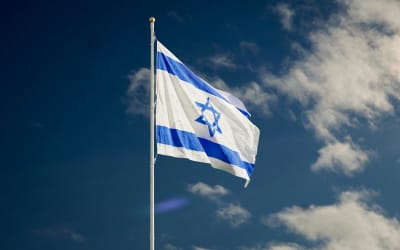
The glittering spectacle of the 70th Eurovision Song Contest, typically a beacon of pan-European unity through music, found its shine significantly dulled this year by a wave of unprecedented political protest. As thousands of fans packed the Wiener Stadthalle arena in Vienna, the air buzzed not only with anticipation for the musical performances but also with the palpable tension stemming from a coordinated boycott by several nations. This wasn't just about differing musical tastes; it was a stark illustration of how global conflicts are increasingly infiltrating cultural events, forcing artists and audiences alike to confront uncomfortable geopolitical realities. The roots of this year's controversy run deep, tracing back to the ongoing war in Gaza. Spain, the Netherlands, Ireland, Iceland, and Slovenia, among others, announced their intention to withdraw from the contest or significantly scale back their participation. Their stated reason: a profound ethical objection to Israel's inclusion in the competition while the conflict raged. This collective stance marked the most significant political boycott in the history of the beloved song contest, a tradition usually focused on celebrating diversity and fostering goodwill, albeit with a healthy dose of nationalistic fervor. Historically, Eurovision has weathered political storms, but rarely has the dissent manifested as such a large-scale, organized withdrawal. While individual protests or political statements from artists have occurred in the past, the decision by multiple national broadcasters to effectively sideline themselves represents a new threshold. This year's contest, which opened with a grand flourish featuring a nod to Austria's musical heritage with a performance of Mozart's 'The Magic Flute,' was intended to be a celebration of artistry. However, the shadow of geopolitical unrest loomed large over the proceedings. The impact on the contest's atmosphere was undeniable. While the 25 competing nations still presented their acts, from the fiery Finnish duo performing "Flamethrower" to Australia's Delta Goodrem with her powerful ballad "Eclipse" and Bulgaria's energetic "Bangaranga," the absence of several key countries created a noticeable void. Social media platforms, usually awash with enthusiastic fan reactions and memes, also carried a significant undercurrent of debate and criticism. Hashtags related to the boycott trended globally, with users sharing impassioned arguments for and against the participating nations' decisions, transforming the digital space into a secondary battleground of public opinion. This boycott represents a breaking point, forcing the European Broadcasting Union (EBU), the contest's organizer, to confront the delicate balance between maintaining its apolitical facade and acknowledging the real-world events that deeply affect its member states and their audiences. The EBU's decision to allow Israel's participation, despite calls for its exclusion, has been met with criticism from human rights organizations and segments of the public who view it as a tacit endorsement of the country's actions. This highlights the increasing difficulty for international cultural bodies to remain neutral when faced with widespread conflict. Looking ahead, the implications for Eurovision are substantial. The boycott could set a precedent for future events, potentially encouraging more nations to leverage cultural platforms for political statements. This raises questions about the contest's long-term viability as a purely celebratory event. Will future editions be defined more by the participants who *aren't* there, rather than those who are? The EBU will need to develop a more robust framework for addressing political sensitivities, or risk alienating a significant portion of its audience and participants. The public reaction has been polarized, reflecting the deep divisions in global opinion regarding the conflict. Supporters of the boycott view it as a necessary moral stand, a way to apply pressure through cultural means when diplomatic channels seem insufficient. Conversely, those who criticize the boycott argue that Eurovision should remain a space for artistic expression, free from political interference, and that excluding Israel punishes its artists and the public for the actions of their government. This debate underscores the complex relationship between art, politics, and public conscience. The future outlook for Eurovision is now intrinsically linked to the geopolitical landscape. While the immediate focus is on this year's results, the underlying tensions will undoubtedly shape discussions leading up to future contests. The challenge for the EBU will be to navigate these complex issues without sacrificing the core spirit of the event. This might involve clearer guidelines on political neutrality, or perhaps a more inclusive approach to addressing the concerns of member nations, ensuring that the focus can return to the music and the unity it aims to represent. The coming months will reveal how effectively the organization can adapt to this new reality. Fans and observers should closely monitor the EBU's official statements and the discussions among national broadcasters in the aftermath of this year's contest. Pay attention to any proposed rule changes or policy shifts regarding participant eligibility and political neutrality. Furthermore, the ongoing international discourse surrounding the conflict will inevitably continue to influence public perception and participation in future cultural events. The conversation around whether and how cultural events should engage with political realities is far from over.
In Brief
A significant political boycott by several nations casts a shadow over the 70th Eurovision Song Contest, highlighting the growing intersection of global conflicts and cultural events. The unprecedented protest raises questions about the future of the beloved competition.Advertisement



Comments
No comments yet. Be the first to comment!