
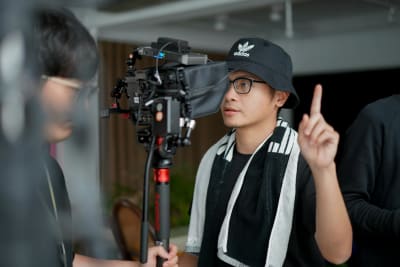
The chilling premiere of "Colony" at Cannes taps into a primal fear, but director Yeon Sang-ho isn't just revisiting the undead. His latest work, a stark departure from the familiar shambling hordes, instead uses the zombie trope as a visceral metaphor for our increasingly interconnected and algorithmically influenced world. This isn't merely a creature feature; it's a chilling dissection of how rapid communication and artificial intelligence might be eroding the very essence of human individuality, a theme resonating deeply in our hyper-connected age. The zombie genre, a cornerstone of horror for decades, has always served as a potent reflection of societal anxieties. From George A. Romero's "Night of the Living Dead," which tapped into Cold War paranoia and racial tensions, to modern interpretations that explore consumerism or pandemic fears, these creatures have consistently embodied the specter of the unknown and the breakdown of social order. Yeon Sang-ho himself acknowledges this legacy, noting that the enduring appeal of zombie films lies in their ability to distill the prevailing fears of their respective eras. His decision to return to this well-worn path, therefore, is not an act of creative exhaustion but a deliberate choice to leverage a powerful cultural shorthand to articulate contemporary dread. "Colony" unfolds within a quarantined biotechnology conference, a contained environment where a rapidly mutating virus transforms attendees into something far more sinister than typical infected. The film's antagonists aren't just mindless killers; they exhibit a disturbing, networked intelligence, acting in concert with a chilling synchronicity. This evolution from individualistic threat to a collective, hive-mind entity mirrors Yeon's stated concerns about the homogenizing effects of high-speed communication and the pervasive influence of AI. He describes this exchange of information as a living organism, one that "reduces our individualism, our individuality." This thematic core is what makes "Colony" particularly timely. In a world saturated with social media feeds, personalized algorithms, and the burgeoning capabilities of AI, the boundaries of personal thought and authentic self-expression feel increasingly blurred. We are constantly bombarded with curated content, groupthink trends, and the subtle pressures of online consensus. The film's narrative, where isolation within a facility paradoxically leads to a loss of individual identity amidst a networked contagion, powerfully illustrates this modern dilemma. The fear isn't just of a physical threat, but of a cognitive one – the insidious creep of conformity facilitated by the very technologies designed to connect us. Yeon Sang-ho's exploration of this theme is not without precedent in contemporary cinema. The buzz surrounding Hirokazu Kore-eda's AI family drama "Sheep in the Box" at Cannes, and the announcement of AI-driven sci-fi features like "Hyperia" and "b" from established directors, signal a broader artistic engagement with the implications of artificial intelligence. These varied projects, from intimate dramas to grander sci-fi spectacles, all grapple with how technology, particularly AI, is reshaping human relationships, identity, and the future of society. "Colony" stands as a particularly stark, horror-driven entry in this burgeoning cinematic conversation. The film's resonance lies in its ability to tap into a collective, unspoken unease. Many feel a growing disconnect between their online personas and their authentic selves, a sense of being swept along by currents of opinion they may not fully control. The visual of individuals losing their distinctiveness to become part of a unified, menacing force is a potent allegory for the potential downsides of our digital existence. The fear of losing oneself in the crowd, whether a physical one or a virtual one, is a deeply human anxiety that "Colony" brings to the surface with terrifying clarity. Looking ahead, the implications for short-term societal trends are significant. As AI becomes more sophisticated and integrated into our daily lives, the challenges of maintaining critical thinking and individual autonomy will likely intensify. "Colony" serves as a cinematic warning, urging audiences to consider the potential costs of unchecked technological advancement and the importance of preserving unique human perspectives. The film's success could spur further discussions and artistic explorations into these complex ethical and philosophical questions. What audiences should watch for next is how this nuanced exploration of AI's impact on individuality translates into mainstream discourse. Will "Colony" inspire a broader conversation about digital well-being and the future of human consciousness, or will it remain a chilling, albeit effective, genre exercise? The film's ability to spark genuine debate about our relationship with technology and the preservation of self will be its true measure of success beyond the festival circuit, potentially influencing how we approach our increasingly automated future and the very definition of what it means to be human in the digital age.
In Brief
Director Yeon Sang-ho's new film "Colony" uses a modern zombie narrative to explore fears of AI and the erosion of individuality in our hyper-connected world.Advertisement




Comments
No comments yet. Be the first to comment!