

The Story in Brief
- New Ebola cases have been confirmed in the Democratic Republic of Congo, signaling a concerning resurgence of the deadly virus in already vulnerable regions.
- Health authorities express grave concern over the rapid spread, particularly within densely populated areas, complicating containment efforts significantly and demanding immediate action.
- Children are identified as disproportionately vulnerable, with a worrying increase in pediatric infections highlighting the severe risks faced by the youngest populations and future generations.
- Aggressive vaccination efforts are being urgently scaled up across affected communities, utilizing proven strategies to curb transmission and protect at-risk individuals effectively.
- International aid organizations and global health bodies are mobilizing critical resources and expert personnel to support the DR Congo's overwhelmed public health infrastructure.
- Ongoing conflict and limited infrastructure in eastern DR Congo present substantial obstacles, making it challenging to reach all affected populations with timely medical intervention and supplies.
The Human Face
The recent Ebola outbreak in the Democratic Republic of Congo has once again brought immense suffering to communities already grappling with numerous challenges. Families are torn apart as loved ones fall ill, and the fear of contagion casts a long shadow over daily life, forcing people to make impossible choices between caring for the sick and protecting the healthy. Children, especially, bear a disproportionate burden, facing not only the direct threat of infection but also the disruption of their education, the potential loss of caregivers, and the profound psychological trauma of witnessing widespread illness and death. This recurring crisis deepens existing vulnerabilities, pushing already strained households further into poverty and despair.
The psychological toll on survivors and those who have lost family members is profound, often leading to long-term trauma, anxiety, and severe stigmatization within their own communities. Many survivors, though physically recovered, face social ostracization, hindering their reintegration into society and access to essential support networks. Efforts to provide psychosocial support are crucial but frequently overwhelmed by the sheer scale of the crisis, highlighting the urgent need for comprehensive humanitarian intervention that extends beyond immediate medical treatment. Addressing these mental health consequences is as vital as containing the virus itself for the long-term well-being of affected populations.
Beyond the immediate health crisis, the human face of Ebola reveals a deeper struggle against systemic issues like poverty, lack of access to basic services, and persistent insecurity. Communities in eastern DR Congo live under constant threat from armed groups, which not only displaces populations but also makes health interventions incredibly dangerous and difficult to implement. This ongoing struggle underscores the deep human cost of recurrent health crises in vulnerable regions, where every outbreak peels back another layer of societal resilience, leaving communities more exposed and desperate for sustained, holistic support.
How We Got Here
The Democratic Republic of Congo has a long and tragic history with Ebola outbreaks, making it a recurring public health crisis that consistently tests the limits of national and international response capabilities. Since the virus was first identified in 1976 near the Ebola River, the nation has endured more outbreaks than any other country, each presenting unique challenges. The current outbreak is believed to have originated from a zoonotic spillover event, likely involving human contact with infected wildlife, a common pattern in regions where human settlements encroach on natural habitats, increasing the risk of viral transmission from animal reservoirs.
A critical factor exacerbating these outbreaks is the pervasive poor infrastructure and ongoing armed conflict in many affected regions, particularly in eastern DR Congo. These conditions severely complicate response efforts, hindering safe access for medical teams, impeding the timely delivery of vital supplies, and making contact tracing a perilous endeavor. Roads are often impassable, communication networks unreliable, and the presence of numerous non-state armed groups creates an environment of profound insecurity for both health workers and the communities they serve. This persistent instability creates fertile ground for the virus to spread unchecked, making each new outbreak a significant and complex challenge to contain.
This cycle of outbreak, response, and resurgence is a stark testament to the complex interplay of epidemiological, socio-economic, and political factors that define public health in the region. Past responses, while often heroic, have struggled with community mistrust, misinformation, and insufficient long-term investment in local health systems. Understanding these historical and systemic challenges is absolutely critical for developing more resilient and effective long-term strategies, moving beyond reactive emergency measures towards sustainable public health infrastructure and community engagement. Without addressing these root causes, the DR Congo will remain perpetually vulnerable to future outbreaks.
Why This Cannot Be Ignored
An uncontrolled Ebola outbreak in the Democratic Republic of Congo poses a severe and immediate threat, not only to the lives within its borders but also to neighboring countries and potentially the wider international community. The virus's high fatality rate, often exceeding 50%, coupled with its rapid transmission capabilities through direct contact, demands immediate, robust, and globally coordinated intervention. Without swift containment, the risk of cross-border spread to nations with equally fragile health systems, like Rwanda, Uganda, and Burundi, becomes alarmingly high, threatening to ignite a regional health crisis that could quickly spiral out of control.
Beyond the direct health impact, this outbreak exacerbates existing humanitarian crises, further destabilizing already fragile regions. Essential services, including routine vaccinations and maternal care, are disrupted as health resources are diverted to the Ebola response, leading to a rise in other preventable diseases and mortality. Populations are displaced by fear and conflict, creating new vectors for viral spread and placing immense strain on humanitarian aid efforts. Economic activities grind to a halt, livelihoods are destroyed, and trust in public health institutions can erode, making future health initiatives even more difficult to implement effectively.
Ignoring this crisis would be a profound moral failure and a dangerous gamble with global public health security. The interconnectedness of our world means that a threat anywhere is a potential threat everywhere. While not an immediate pandemic, the potential for wider spread always looms as a stark reminder of the need for vigilance and concerted global action. Investing in early containment and robust public health infrastructure in the DR Congo is not merely an act of charity; it is a critical investment in global health security, protecting all nations from the devastating ripple effects of such virulent diseases.
Possible Paths Forward
Effective containment of the current Ebola outbreak requires a meticulously planned, multi-pronged approach that addresses both immediate medical needs and underlying societal vulnerabilities. This includes rapid and aggressive contact tracing to identify all individuals who may have been exposed, followed by immediate isolation of suspected and confirmed cases to break chains of transmission. Simultaneously, widespread vaccination campaigns targeting at-risk populations and frontline health workers are paramount, leveraging the proven efficacy of available vaccines to build immunity and create protective rings around infected areas.
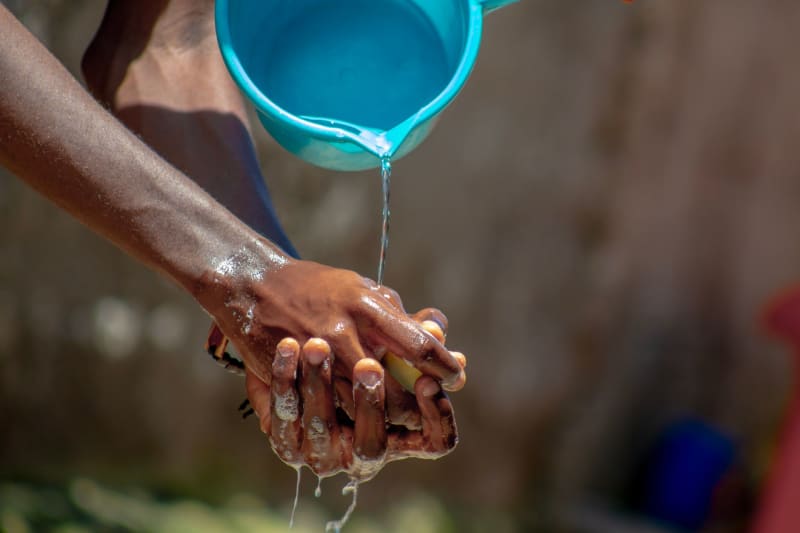
Crucially, community engagement is paramount to build trust and ensure compliance with public health measures. This involves transparent communication, actively addressing misinformation, and respecting cultural sensitivities to foster cooperation rather than resistance. Strengthening local health systems is a vital long-term strategy, encompassing investment in robust surveillance capabilities, improved laboratory diagnostics, and better training for local healthcare professionals. Furthermore, enhancing access to clean water, sanitation, and hygiene (WASH) infrastructure is fundamental, as these basic services are critical in preventing the spread of infectious diseases.
International cooperation and sustained funding are absolutely essential to support the DR Congo's efforts, providing both critical financial resources and expert personnel, including epidemiologists, vaccinators, and logistical support. A coordinated global response, integrating medical, logistical, and community-based interventions, offers the most promising route to breaking the chain of transmission and mitigating the devastating impact of this persistent threat. Moreover, continued research into new antiviral treatments and more stable vaccine formulations remains a vital component of future preparedness, ensuring that the world is better equipped to combat not only current but also emerging infectious disease threats.

Questions People Are Actually Asking
What to Watch
- The trajectory of new infection rates, particularly monitoring for any exponential growth or spread into previously unaffected districts, will be a critical indicator of the outbreak's severity.
- The effectiveness and reach of ongoing vaccination campaigns, assessing whether enough people in high-risk areas are being immunized to establish protective rings and curb transmission.
- Potential regional spread to neighboring countries, especially those with porous borders and limited health infrastructure, which could escalate the crisis into a wider regional emergency.
- The level of international funding and resource mobilization, as sustained financial and logistical support is indispensable for a comprehensive and effective response in the DR Congo.
- The impact of ongoing armed conflict and political instability on response efforts, as insecurity often prevents health teams from accessing affected populations and delivering vital aid safely.
- Community engagement and acceptance of public health measures, as local trust and cooperation are fundamental to successful contact tracing, safe burials, and adherence to prevention protocols.
















Comments
No comments yet. Be the first to comment!