
The Numbers
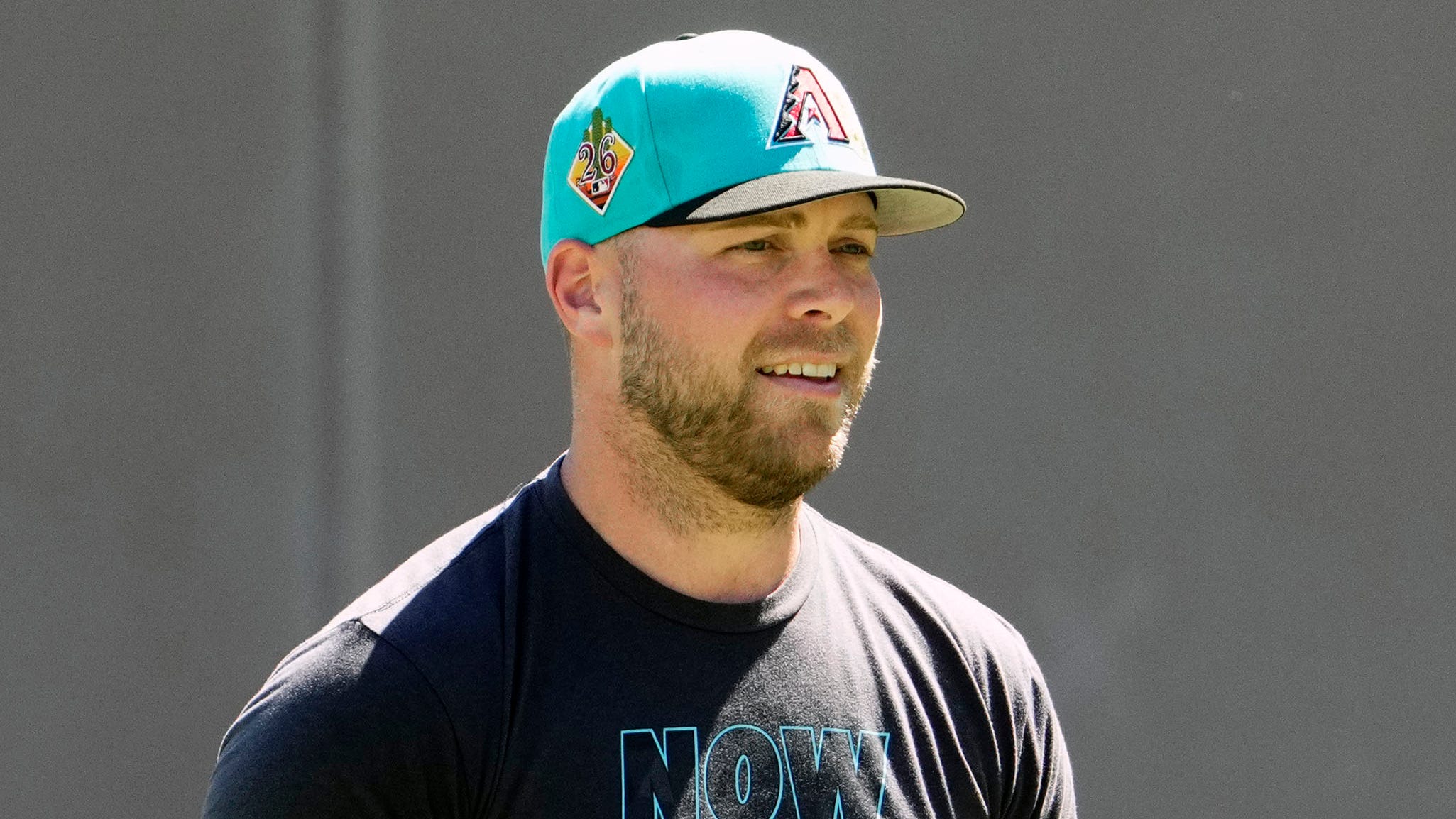
- Corbin Burnes, acquired in a significant offseason trade, was expected to be the ace of the Orioles' rotation, anchoring their championship aspirations with his dominant pitching arsenal.
- The pitcher's recent setback involves a reaggravation of a previous injury, forcing him to halt his throwing program and casting significant doubt on his return timeline.
- This unexpected development means Burnes will miss a substantial portion of the early season, potentially impacting his ability to contribute meaningfully to the team's performance during crucial months.
- The Orioles, already facing challenges with pitching depth, now must devise strategies to compensate for the prolonged absence of their top starter, a task that will test their roster management.
- Financial implications are also a consideration, as Burnes' extended absence could affect his performance metrics and potential future contract negotiations, adding another layer of complexity.
- The team's win-loss record will undoubtedly be scrutinized more intensely without their ace on the mound, highlighting the pressure on the remaining pitching staff to perform at an elite level.
Context Check
The acquisition of Corbin Burnes was a cornerstone move for the Baltimore Orioles, signaling their intent to compete at the highest level. His Cy Young pedigree and dominant fastball-slider combination were seen as the missing piece to elevate their already strong roster. The initial injury, though concerning, was believed to be manageable, with a clear path to recovery and a return to the mound within a reasonable timeframe. This latest setback, however, fundamentally alters that optimistic outlook, introducing a significant degree of uncertainty into the team's pitching strategy and overall season trajectory. The nature of pitching injuries, particularly those involving the arm, often requires meticulous rehabilitation, and any deviation from the prescribed plan can lead to prolonged absences.
Rehabbing from a pitching injury is a delicate balancing act, requiring patience and precise execution of physical therapy and throwing programs. A 'major setback' suggests that either the initial injury was more severe than initially understood, or the rehabilitation process encountered an unforeseen complication. This could involve pain recurrence, a new issue stemming from compensatory movements, or simply a failure to progress as expected. For a pitcher like Burnes, whose value is intrinsically tied to his ability to perform at peak physical condition, such a setback is particularly disheartening and raises questions about the long-term health of his arm. The Orioles' medical staff will undoubtedly be conducting a thorough review to understand the cause and determine the best course of action moving forward.
The competitive landscape of Major League Baseball, especially in a division with strong rivals, demands consistent performance from all key players. The Orioles have positioned themselves as contenders, and the absence of their ace places immense pressure on the rest of the pitching staff. This situation forces the front office to evaluate potential trade targets or internal promotions more aggressively. Furthermore, it tests the resilience and depth of the bullpen, which will likely be asked to absorb more innings than anticipated. The psychological impact on the team cannot be understated; the loss of a perceived ace can create a void that is difficult to fill, both statistically and in terms of clubhouse morale.
Background
Corbin Burnes, a former Cy Young Award winner, was the crown jewel of the Milwaukee Brewers' rotation before being traded to the Baltimore Orioles in a blockbuster deal. His arrival in Baltimore was met with widespread acclaim, solidifying the team's status as a legitimate World Series contender. Burnes' pitching repertoire, characterized by a devastating slider and high-velocity fastball, has consistently placed him among the league's elite starting pitchers. The initial reports of his injury were met with concern, but the prevailing sentiment was that he would receive top-tier care and make a timely return to bolster the Orioles' formidable pitching staff. This trade underscored Baltimore's commitment to building a championship-caliber team through strategic acquisitions and player development.
The specifics of Burnes' initial injury were not extensively detailed, but it was understood to be a condition that would necessitate a period of rest and rehabilitation. Pitchers, by the nature of their craft, are susceptible to various arm and shoulder ailments due to the repetitive and high-stress motion involved in throwing a baseball at high velocity. The Orioles, known for their advanced analytics and player development programs, were confident in their ability to manage Burnes' recovery effectively. The goal was always to have him healthy and ready to contribute throughout the crucial summer months and into the postseason. This proactive approach was designed to mitigate the risks associated with pitching injuries and ensure the longevity of their star pitcher's career.
The timeline for recovery from pitching injuries can vary significantly depending on the severity and location of the ailment, as well as the individual athlete's response to treatment. What might seem like a minor issue can sometimes develop into a more complex problem if not managed with extreme care. For pitchers, a return to throwing is a gradual process, starting with light tosses and progressively increasing intensity and distance. Each step is monitored closely for any signs of discomfort or recurrence of symptoms. A 'major setback' implies a significant disruption to this carefully orchestrated progression, potentially requiring a complete restart of certain phases of the rehabilitation protocol or even a re-evaluation of the initial diagnosis.
Winners and Losers
The most immediate loser in this scenario is Corbin Burnes himself. A major setback during his rehabilitation process is not only physically taxing but also mentally demoralizing. It delays his return to competition, potentially impacts his performance metrics for the season, and adds a layer of uncertainty regarding the long-term health of his arm. For the Baltimore Orioles, this is a significant blow to their aspirations. Their carefully constructed plan for the season, built around Burnes as their ace, is now in jeopardy. The team's pitching depth, already a point of concern for some analysts, will be severely tested, and their ability to consistently win games without their top starter is now in question. This setback forces a strategic re-evaluation and potentially alters their approach to the trade deadline.
Conversely, other pitchers on the Orioles' roster stand to gain opportunities, albeit under less-than-ideal circumstances. Pitchers like Grayson Rodriguez and Kyle Bradish, who were already expected to play significant roles, will now carry an even greater burden. Younger arms or those in the minor leagues might see their paths to the majors accelerated, providing them with a chance to prove their worth. Rival teams, particularly those competing with the Orioles for playoff positioning or division titles, might see this as an opportunity to gain ground. The increased reliance on the rest of the Orioles' pitching staff could lead to more exploitable matchups for opposing offenses, potentially benefiting teams looking to capitalize on any perceived weakness.
The betting markets and fantasy baseball platforms are also reacting to this news. Odds for the Orioles to win the division or the World Series may shift slightly, reflecting the increased uncertainty surrounding their pitching. Fantasy managers who drafted Burnes will be scrambling to find replacements, and the value of other Orioles pitchers will likely increase. This situation highlights the inherent volatility of baseball and the critical importance of pitching health. A single injury to a key player can have ripple effects throughout a team's season, impacting everything from on-field performance to financial projections and fan expectations. The 'winners' in this context are those who can adapt and capitalize on the altered landscape.
Analyst Perspectives
Baseball analysts are expressing significant concern over Corbin Burnes' latest injury setback, viewing it as a major impediment to the Baltimore Orioles' championship aspirations. Many had tabbed the Orioles as strong contenders, with Burnes serving as the linchpin of their rotation. His prolonged absence forces a re-evaluation of the team's pitching depth, which was already considered a potential vulnerability. Analysts are questioning whether the remaining arms, including promising but still developing pitchers, can adequately fill the void left by an elite-level starter. The pressure now shifts dramatically to the Orioles' front office to potentially seek external reinforcements, a move that could come at a steep price given the current market for starting pitching.
The nature of pitching injuries, particularly those involving the arm, is a recurring theme in expert discussions. The high-velocity, repetitive motion inherent in pitching puts immense stress on the shoulder and elbow. A 'major setback' suggests that the initial injury may have been more complex than initially reported or that the rehabilitation process encountered an unexpected complication. This raises questions about the long-term durability of Burnes' arm and the potential need for more conservative management moving forward. Experts emphasize that rushing a pitcher back from injury, even with the best intentions, can lead to further setbacks and potentially more severe, season-ending or career-altering injuries.
Looking ahead, analysts are dissecting the Orioles' potential solutions. This includes evaluating the performance of their current internal options, monitoring the availability of trade candidates, and assessing the impact on the team's bullpen, which will inevitably be asked to carry a heavier load. The setback also forces a strategic consideration of Burnes' workload upon his eventual return. Will he be eased back in, or will he be expected to immediately shoulder the ace's load? The answers to these questions will shape the Orioles' season and their approach to the postseason, should they qualify. The consensus is that while the Orioles remain a talented team, this injury significantly complicates their path to October glory.
Key Questions Explained
The Outlook
The immediate outlook for the Baltimore Orioles is one of heightened challenge and strategic adaptation. The absence of Corbin Burnes, their anticipated ace, forces a significant recalibration of their pitching strategy and overall season expectations. While the team possesses considerable talent and depth in other areas, the loss of a pitcher of Burnes' caliber creates a void that is difficult to fill entirely. The coming weeks and months will be a critical test of the Orioles' resilience, showcasing their ability to perform at a high level despite this significant personnel setback. Their success will hinge on the collective performance of the remaining pitchers and the effectiveness of the team's offensive production.
Looking further ahead, the outlook depends heavily on the severity and duration of Burnes' absence, as well as his eventual return to form. If he can make a full recovery and regain his elite performance level later in the season, the Orioles could still emerge as strong contenders. However, any lingering effects or a delayed return could significantly diminish their championship prospects. The team's front office will be under pressure to make shrewd decisions regarding potential trades or roster adjustments to mitigate the impact of this injury. The margin for error in a competitive league like MLB is slim, and every move will be scrutinized.
Ultimately, the situation underscores the unpredictable nature of professional sports and the inherent risks associated with pitching injuries. While the Orioles were built with championship aspirations, this setback serves as a stark reminder that even the most talented teams can face adversity. The focus now shifts to managing the current situation effectively, supporting Burnes through his recovery, and finding ways to win games in his absence. The team's ability to navigate this challenge will define their season and provide valuable insights into their depth, coaching, and overall fortitude as they pursue their ultimate goal.














Comments
No comments yet. Be the first to comment!