
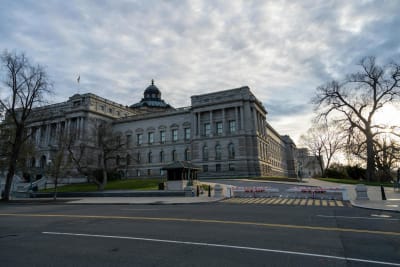
"The landscape of college athletics has been fundamentally altered, and the current regulatory framework is struggling to keep pace with the rapid financial shifts," observes Dr. Evelyn Reed, a leading sports economist at Georgetown University. This statement underscores the escalating tension surrounding Name, Image, and Likeness (NIL) compensation and its cascading effects on the integrity and structure of collegiate sports, a situation now confronting a critical juncture in Washington D.C. A significant, yet surprisingly quiet, bipartisan effort is underway in Congress to address what many describe as an uncontrolled financial free-for-all that has destabilized the long-standing traditions and competitive balance of college athletics. The proposed legislation, spearheaded by a bipartisan coalition including Senators Ted Cruz (R-Texas) and Maria Cantwell (D-Washington), seeks to establish national guidelines and oversight for the burgeoning NIL market. This initiative arrives at a moment when the lucrative avenues opened by NIL deals, particularly in high-profile sports like football and men's basketball, have demonstrably exacerbated the disparity between elite programs and those with smaller budgets. Concerns are mounting that this influx of money is diverting critical resources away from academic pursuits and disproportionately benefiting a select group of athletes, potentially at the expense of Olympic sports and women's athletics, which often rely on more limited funding streams. The historical context reveals a gradual erosion of the amateur ideal in college sports. For decades, the NCAA maintained a strict amateurism model, which, while increasingly challenged, provided a semblance of uniformity. However, the advent of NIL rights, initially framed as empowering student-athletes, quickly morphed into a complex web of endorsement deals, collectives, and booster-funded compensation packages. This shift has outpaced the NCAA's ability to effectively regulate, leading to a fragmented and often opaque system where competitive advantages are increasingly tied to financial resources rather than athletic prowess or institutional commitment. The recommendations from a blue-ribbon panel, previously commissioned by the Trump administration and led by figures such as New York Yankees President Randy Levine and Florida Governor Ron DeSantis, highlighted the urgency for reform. This group, comprising athletes and industry experts, had previously identified a "mad cash grab" and proposed solutions, yet the subsequent legislative push has been met with an unexpected lack of vocal support from many who have historically voiced concerns about the escalating commercialization of college sports. The current situation presents a stark dichotomy. On one hand, student-athletes are now able to capitalize on their marketability, a development many see as a long-overdue recognition of their value. On the other hand, the unregulated nature of these opportunities has created a 'wild west' environment. Institutions and booster groups are engaged in intense bidding wars for recruits, often blurring the lines between legitimate NIL compensation and pay-for-play arrangements that were once strictly prohibited. This has fueled a growing chasm between powerhouse programs, capable of offering substantial NIL opportunities, and smaller institutions struggling to compete, potentially impacting team stability and competitive balance across all divisions of collegiate sports. The NCAA, despite years of public lamentations about the system being "out of hand," has adopted a notably reserved stance regarding the proposed congressional legislation, issuing a statement indicating they are "reviewing the proposed bipartisan legislation and look forward to further productive dialogue." This cautious approach has drawn criticism from those advocating for immediate and decisive action. The ripple effects extend far beyond the playing fields. Academically, there is evidence suggesting that the allure of lucrative NIL deals may detract from a student-athlete's focus on their studies. Financial experts also point to the potential for misuse of funds and the creation of an uneven playing field for universities that lack the robust alumni networks and financial backing to compete in this new NIL economy. Furthermore, the lack of clear federal guidelines creates legal uncertainties for athletes, coaches, and institutions alike, fostering an environment ripe for potential disputes and litigation. The sheer volume of money now circulating, estimated to be in the hundreds of millions annually across various sports, demands a more structured and equitable approach to ensure the long-term health of college athletics. The future outlook for college sports hinges on the ability of lawmakers to navigate the competing interests at play. The proposed Cruz-Cantwell bill represents a significant attempt to impose order, but its passage is far from guaranteed, facing potential headwinds from powerful lobbying efforts seeking to preserve the status quo. If this legislation falters, the trend towards a fully professionalized collegiate model, where athletic programs operate more like minor league systems, could accelerate. This would fundamentally alter the student-athlete experience and further entrench the financial disparities that plague the system. Alternatively, a successful legislative intervention could usher in an era of greater transparency, fairness, and a rebalancing of resources, ensuring that the "student" aspect of student-athlete is not overshadowed by the commercial realities. The economic implications are profound. With an estimated $1 billion in NIL deals projected for the current academic year, the financial stakes are astronomically high. This unregulated market has led to significant shifts in donor priorities, with some alumni redirecting funds from traditional university endowments and athletic department budgets towards NIL collectives. This reallocation raises questions about the sustainability of funding for non-revenue-generating sports and academic initiatives, potentially creating long-term financial vulnerabilities for many institutions. The pressure to secure top talent through NIL packages is also driving up costs for athletic departments, further straining budgets already under pressure from conference realignments and rising operational expenses. The social and cultural impact cannot be overstated. The current NIL environment risks creating a two-tiered system within college sports, where a select few athletes enjoy immense financial rewards while the majority see little to no benefit. This can foster resentment and disillusionment among student-athletes in less prominent sports or at less affluent institutions. Moreover, the shift in focus from academic and athletic development to marketability and financial gain raises ethical questions about the true purpose of collegiate athletics and its role in fostering well-rounded individuals. The potential for exploitation, particularly of younger athletes navigating complex endorsement deals for the first time, is a significant concern that requires robust oversight and educational resources. Given the legislative uncertainty and the ongoing financial flux, stakeholders are being urged to engage proactively. For student-athletes, understanding the nuances of NIL contracts and seeking qualified legal and financial advice is paramount. Universities are encouraged to develop clear internal policies and provide comprehensive educational programs to guide their athletes. Fans and alumni can influence the conversation by advocating for responsible governance and supporting institutions that prioritize competitive balance and academic integrity alongside athletic success. The collective voice of those invested in the future of college sports will be crucial in shaping the outcome of this pivotal moment.
In Brief
A bipartisan bill in Congress aims to regulate the booming Name, Image, and Likeness (NIL) market in college sports, sparking debate about its impact on competitive balance and academic integrity.Advertisement



Comments
No comments yet. Be the first to comment!