
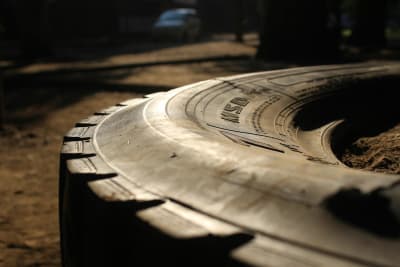
What many residents anticipated as a standard road resurfacing project has evolved into a pioneering initiative for Ann Arbor, marking a significant departure from conventional asphalt applications. The city's recent adoption of rubberized streets, initially met with quiet observation from industry insiders like Redmond Clark, president of Asphalt Plus LLC, is now poised to redefine urban infrastructure maintenance. This isn't just about smoother rides; it's a strategic move towards sustainability, turning a substantial waste stream into a valuable construction material. The transition from expected normalcy to a forward-thinking solution underscores a growing public and municipal appetite for environmentally conscious development. The core of this transformation lies in a sophisticated asphalt mix incorporating finely ground recycled tire rubber. Clark, whose Illinois-based company supplies this engineered crumb rubber additive, explains the science behind the innovation. The rubber particles, each roughly a fiftieth of an inch in diameter, are not merely fillers. Their presence, numbering approximately 100 million grains per ton of asphalt, fundamentally alters the material's performance. This granular reinforcement acts as a microscopic barrier, intercepting nascent cracks before they propagate. Instead of spreading unchecked, these hairline fractures are either halted by the resilient rubber particles or rerouted, a crucial mechanism that promises to significantly extend the lifespan of the pavement. This breakthrough technology, championed by Asphalt Plus, has been steadily gaining traction globally for over two decades. Ann Arbor's adoption signifies a key endorsement within the North American market. The process itself, managed by contractors like Cadillac Asphalt, involves integrating the rubber additive into the asphalt mix at specialized plants, a step that requires dedicated machinery but utilizes standard paving techniques. This practical implementability is a major factor in its growing appeal, dismantling potential barriers to widespread adoption. Redmond Clark, who holds a doctorate in environmental science, is a vocal proponent of this recycled material, estimating that it can boost pavement longevity by a remarkable 30-40%, or even more. This extended durability translates directly into reduced maintenance costs and less frequent disruptive roadwork for the city and its residents. Beyond the immediate benefits to Ann Arbor's road network, Clark envisions a global impact, stating that this technology offers a viable pathway for managing the planet's immense volume of scrap tires. His prediction is ambitious yet grounded: widespread adoption of rubberized roads within the next 10 to 15 years. The immediate resonance of this story stems from its tangible connection to everyday life. Citizens grapple daily with the frustrations of potholes, uneven surfaces, and the constant disruption caused by road repairs. The prospect of streets that last longer, require less frequent attention, and are constructed using recycled materials taps into a deep-seated desire for practical, sustainable urban living. It offers a concrete example of how environmental consciousness can translate into tangible improvements in public infrastructure, making the abstract concept of sustainability relatable and beneficial. The broader implications for Ann Arbor and similar municipalities are substantial. By embracing rubberized asphalt, the city positions itself as a leader in sustainable infrastructure, potentially attracting further investment and talent drawn to its progressive environmental policies. Furthermore, it addresses the persistent challenge of waste management by creating a valuable secondary market for used tires, diverting them from landfills and reducing the environmental burden associated with their disposal. This closed-loop approach exemplifies circular economy principles in action. Looking ahead, the success of Ann Arbor's initial projects will undoubtedly serve as a crucial case study. If the promised longevity and performance metrics hold true under real-world conditions, the city could see a significant expansion of rubberized asphalt use in future road construction and repair contracts. The economic advantages, coupled with the environmental benefits, present a compelling argument for its wider implementation. The logistical hurdles, primarily the need for specialized mixing facilities, will need to be addressed to facilitate broader adoption. As Ann Arbor continues to pave its way forward, the watchwords will be performance, cost-effectiveness, and scalability. The city will be closely monitoring the durability of these new streets, tracking maintenance needs, and evaluating the long-term economic viability. The ripple effect of this project could extend far beyond Michigan's borders, influencing infrastructure decisions in communities worldwide grappling with similar challenges of aging roads and growing waste streams. The next phase will involve observing whether this initial pilot truly paves the path for a widespread paradigm shift in road construction.
In Brief
Ann Arbor is pioneering a sustainable infrastructure solution by adopting rubberized asphalt roads, turning recycled tires into durable, long-lasting pavement and addressing waste management challenges.Advertisement




Comments
No comments yet. Be the first to comment!