
The Story in Brief
- Philadelphia's public school system is grappling with a profound and escalating funding crisis, directly attributable to years of inadequate financial commitment from City Hall.
- Despite repeated promises and the clear needs of students, elected officials have consistently failed to allocate sufficient resources, creating a deficit that now threatens educational quality and student outcomes.
- The consequences of this sustained underfunding are dire, impacting everything from essential classroom supplies and building maintenance to teacher retention and the availability of critical support services for students.
- This editorial argues that the current situation is a failure of governance, where political priorities have overshadowed the fundamental right to a quality education for Philadelphia's children.
- Urgent and decisive action is required from city leaders to address the systemic underfunding and begin rectifying the damage already inflicted upon the school district and its students.
- The long-term health and economic vitality of Philadelphia are inextricably linked to the success of its public schools, making this a critical issue for the entire city's future.
The Human Face of Underfunding
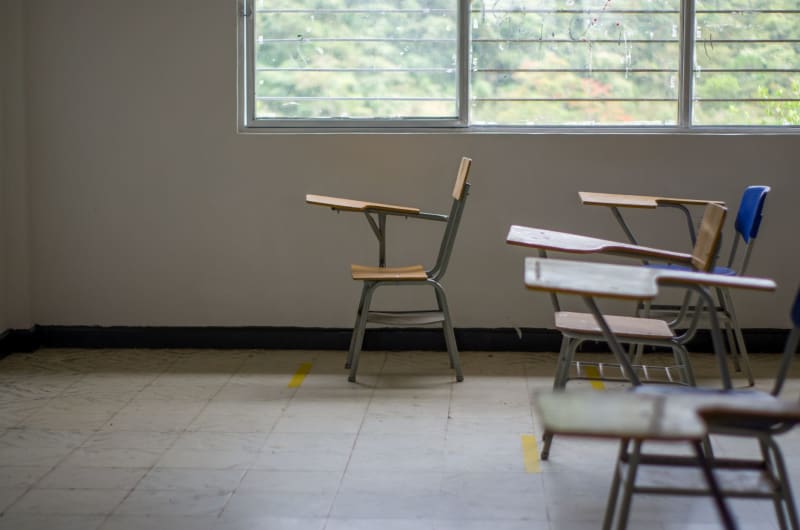
The stark reality of Philadelphia's school funding crisis is not abstract; it is etched onto the faces of students struggling in overcrowded classrooms, learning with outdated materials, and attending schools in disrepair. Teachers, passionate and dedicated, are forced to dip into their own pockets for basic supplies, a practice that is both unsustainable and demoralizing. The emotional toll on educators is immense as they witness their students' potential being stifled by circumstances beyond their control. This chronic underinvestment creates an environment of constant scarcity, where innovative programs are shelved, crucial support staff like counselors and nurses are stretched thin, and the simple act of providing a safe, conducive learning environment becomes a daily battle.
For many families, the failing infrastructure of neighborhood schools represents a profound betrayal of trust by the city they call home. Parents worry about the safety of aging buildings, the presence of environmental hazards like lead paint and asbestos, and the lack of adequate heating or cooling, all of which directly impact their children's health and ability to concentrate. The disparity in resources between wealthier suburban districts and Philadelphia's urban schools widens the opportunity gap, limiting the horizons for students who are already navigating significant socioeconomic challenges. This creates a cycle of disadvantage that is incredibly difficult to break, as a subpar education limits future economic prospects and perpetuates inequality across generations.
The ripple effect of underfunded schools extends far beyond the classroom walls, impacting the mental and emotional well-being of an entire generation. Students in under-resourced schools are more likely to experience higher levels of stress and anxiety, stemming from the constant awareness of their environment's deficiencies and the perceived lack of value placed upon their education by the wider community. This can lead to disengagement, lower self-esteem, and a diminished sense of hope for the future. The city's failure to adequately support its educational institutions is, therefore, not just an educational issue but a profound social justice issue, demanding immediate attention and a commitment to equitable resource allocation.
How We Got Here: A Legacy of Neglect
Philadelphia's current school funding predicament is not a sudden development but the culmination of decades of systemic underinvestment and political expediency. While other major cities have prioritized their public education systems, Philadelphia has consistently lagged, often viewing school funding as a secondary concern or a negotiable item rather than a fundamental civic responsibility. This has resulted in a perpetual cycle of budget shortfalls, forcing school administrators to make difficult choices that invariably compromise educational quality. The city's reliance on property taxes, coupled with state funding formulas that often disadvantage urban districts, has created a structural deficit that requires dedicated local effort to overcome, an effort that has been conspicuously absent.
Promises made by successive city administrations to adequately fund schools have repeatedly gone unfulfilled, leaving the School District of Philadelphia in a state of perpetual financial precarity. Each budget cycle brings renewed anxiety, as educators and parents brace for cuts to essential programs, staff reductions, and deferred maintenance. This pattern of broken promises erodes public trust and creates an environment where long-term planning is nearly impossible. The lack of consistent, reliable funding prevents the district from investing in critical infrastructure upgrades, modernizing curriculum, or implementing innovative educational strategies that could better serve students.
The political landscape in Philadelphia has often seen school funding become a bargaining chip or a point of contention rather than a shared priority. Decisions regarding the allocation of city resources have frequently favored other municipal services, leaving education to languish. This has been exacerbated by external factors, including state funding policies that have not kept pace with the needs of urban districts and a tax base that struggles to generate sufficient revenue. Consequently, the School District has been forced to operate on a shoestring budget, making do with less while the demands on its services continue to grow, creating an unsustainable and detrimental situation for its students.
Why This Cannot Be Ignored
The ramifications of Philadelphia's chronic underfunding of its public schools extend far beyond the immediate educational impact, posing a significant threat to the city's future economic vitality and social cohesion. A poorly educated populace translates directly into a less competitive workforce, deterring businesses seeking skilled employees and hindering innovation. This perpetuates cycles of poverty and limits upward mobility for countless residents, creating a less equitable and more divided city. Investing in education is not merely an expenditure; it is a crucial investment in human capital that yields substantial long-term returns for the entire community, fostering a more prosperous and stable environment for all.
Furthermore, the neglect of school infrastructure and resources creates an environment where educational disparities are amplified, particularly for students from low-income backgrounds who rely most heavily on public education. This widens the opportunity gap, limiting access to quality learning experiences and perpetuating systemic inequalities. The city's failure to provide equitable educational opportunities undermines its commitment to social justice and risks creating a permanent underclass, unable to fully participate in and contribute to civic life. Addressing this funding crisis is therefore a moral imperative, essential for building a more just and inclusive Philadelphia.
The current trajectory is unsustainable and actively detrimental to the city's long-term prospects. If Philadelphia is to thrive, attract talent, and remain a competitive major American city, it must fundamentally re-evaluate its priorities and commit to providing its public schools with the resources they desperately need. Allowing the educational foundation of its youth to crumble is a short-sighted decision that will have profound and lasting negative consequences, impacting everything from public safety to economic development. The time for incremental adjustments has passed; bold, decisive action is required now to avert a deeper crisis.
Charting a Course Toward Adequate Funding
Addressing Philadelphia's school funding crisis requires a multi-pronged approach that combines increased local investment with advocacy for equitable state funding. City leaders must prioritize education in the municipal budget, exploring all available revenue streams and making difficult but necessary choices to allocate sufficient funds. This could involve re-evaluating tax structures, identifying efficiencies in other city departments, or pursuing dedicated funding mechanisms specifically for schools. Simultaneously, the district and city must intensify efforts to lobby the state legislature for a fairer distribution of educational resources, challenging funding formulas that disadvantage urban districts and advocating for increased overall state aid to education.
Beyond direct financial contributions, City Hall can play a crucial role in supporting the School District through strategic partnerships and policy initiatives. This includes streamlining bureaucratic processes that hinder the district's operations, facilitating collaboration with philanthropic organizations and the private sector, and championing policies that support educational equity. The city can also leverage its influence to advocate for broader educational reforms at the state level, focusing on issues such as charter school funding, special education mandates, and teacher compensation. A unified front from city leadership, demonstrating a genuine commitment to public education, is essential for galvanizing support and driving meaningful change.
Ultimately, resolving this crisis hinges on a fundamental shift in political will and public perception regarding the value of public education. Sustained advocacy from parents, educators, students, and community members is vital to keep pressure on elected officials and ensure that education remains a top priority. This involves not only demanding increased funding but also holding leaders accountable for their commitments and supporting innovative solutions that maximize the impact of every dollar invested. A collective commitment to ensuring every child in Philadelphia receives a high-quality education is the bedrock upon which a brighter future for the city will be built.
Questions People Are Actually Asking
What to Watch
- Monitor upcoming City Council budget hearings for any proposed increases or new revenue streams dedicated to the School District of Philadelphia.
- Track legislative efforts at the state level aimed at reforming Pennsylvania's public school funding formula to ensure greater equity for urban districts.
- Observe the School District's strategic plan for addressing deferred maintenance and infrastructure needs, and assess the funding allocated for these critical repairs.
- Pay attention to any new partnerships or initiatives between the city, the school district, and private or philanthropic entities aimed at bolstering educational resources.
- Follow the outcomes of ongoing legal challenges or advocacy campaigns pushing for increased and more equitable school funding across the Commonwealth.
- Note any changes in teacher recruitment and retention rates, as these are key indicators of the impact of funding on the educational workforce.

















Comments
No comments yet. Be the first to comment!