
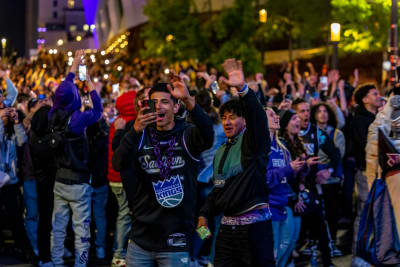
The dream of seeing a favorite artist live, once a shared joy, is increasingly becoming a financial hurdle for many Californians. Families are stretching budgets, and some are giving up entirely on attending concerts due to the exorbitant prices demanded on the secondary ticket market. This isn't just about a few dollars; it's about the fundamental access to cultural experiences being dictated by unchecked speculation. Assemblymember Matt Haney's proposed legislation, the California Fans First Act, seeks to rebalance this equation, aiming to make live music and other events accessible once more. At the heart of the issue is the rampant practice of ticket scalping, where tickets bought at face value are immediately relisted, often at multiples of their original price, by individuals and sophisticated operations alike. These secondary markets, while offering a lifeline for those who missed the initial sale, have become a breeding ground for price gouging. The proposed bill, Assembly Bill 1720, directly confronts this by seeking to cap resale prices. Specifically, it would limit how much a ticket can be resold for above its original purchase price, a move designed to prevent excessive markups and return a degree of fairness to fans. This legislative push arrives at a critical juncture, fueled by a growing public outcry and recent legal challenges highlighting alleged monopolistic practices within the ticketing industry. A recent court decision finding Live Nation guilty of monopolizing the ticketing market, though the company contests the findings, has cast a long shadow. Haney's bill, however, focuses its regulatory gaze not on primary ticket sellers like Ticketmaster or the venues themselves, but squarely on the platforms and individuals engaged in the resale of tickets. This targeted approach acknowledges the complex ecosystem of live event access while prioritizing the consumer experience. The core argument for the Fans First Act is straightforward: the vast profits generated by inflated resale prices do not benefit the artists or the venues that host them. Instead, this wealth flows into the hands of opportunistic scalpers and speculative investors. Haney articulated this clearly, stating that the bill aims to ensure that if a fan cannot attend an event after purchasing a ticket, they can resell it for no more than 10% above the original price. This mechanism, proponents argue, would not only make tickets more affordable but also ensure that venues and artists, who rely on full houses to thrive, are not undermined by empty seats filled only by the profits of intermediaries. Enforcement of the proposed law would be placed in the hands of the state attorney general's office, with a clear directive to focus on large-scale, professional ticket resellers. This distinction is crucial, as it seeks to differentiate between organized, profit-driven scalping operations and individual fans occasionally reselling a ticket due to unforeseen circumstances. The intent is to dismantle the industrial-scale exploitation of demand, rather than penalize genuine personal circumstances that might lead to a ticket resale. While the bill garners significant support from artist advocacy groups, independent venue associations, and entertainment unions like SAG-AFTRA, it is not without its detractors. Some organizations, like the League of United Latin American Citizens (LULAC), have expressed reservations, partly due to the surprising alignment of Live Nation Ticketmaster with the bill's passage as reported by the San Francisco Chronicle. This alliance raises questions for some about the bill's ultimate effectiveness and whether it might inadvertently favor dominant players in the industry by creating new barriers for smaller resale operations. The resonance of this story across California, and indeed the nation, stems from a shared experience of frustration and exclusion. For decades, the thrill of live performance has been a cultural touchstone. However, the rise of sophisticated ticketing algorithms and a robust secondary market has transformed this accessible pleasure into a luxury commodity. The current moment, marked by record-breaking concert tours and overwhelming demand, has amplified these long-standing grievances, making the need for intervention feel more urgent than ever. This legislative battle echoes historical struggles for fair access to goods and services. One might draw parallels to early 20th-century efforts to regulate monopolies and curb price gouging during times of scarcity, or even to the ongoing debates surrounding fair housing and essential services. The underlying principle remains the same: ensuring that fundamental aspects of public life and cultural participation are not solely dictated by market speculation and the pursuit of maximum profit, but are grounded in principles of accessibility and fairness for the general public. As Assembly Bill 1720 heads for a crucial hearing in the Assembly Appropriations Committee this Thursday, all eyes will be on its potential to navigate the complex web of industry interests and public demand. The outcome will signal whether California is prepared to take a significant step towards democratizing access to live entertainment, or if the power of speculation will continue to hold sway over the fan experience. Observers will be watching closely to see how lawmakers weigh the competing arguments and what precedent this sets for other states grappling with similar issues.
In Brief
California lawmakers are proposing the Fans First Act to cap exorbitant concert ticket resale prices, aiming to restore affordability for fans and curb scalping. The bill targets secondary markets, seeking to prevent speculative profits from shutting out genuine attendees.Advertisement



Comments
No comments yet. Be the first to comment!