
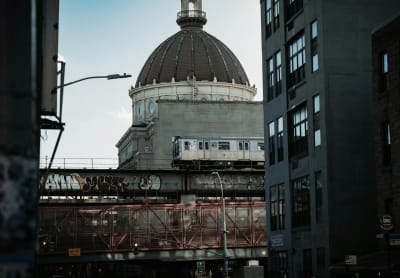
The roar of distant cheers, usually confined to stadiums across continents, echoed through the streets of Fort Greene, Brooklyn, this past Saturday. Inside FancyFree, a local sports bar, the air buzzed with an energy typically reserved for major sporting events. Flags bearing the iconic crest of Arsenal Football Club adorned the walls, a vibrant testament to a global passion that had found an unlikely home in this New York City neighborhood. This wasn't just about watching a game; it was about community, identity, and the surprising ways in which modern media and travel have woven disparate corners of the world together. Key Takeaways: FancyFree sports bar in Fort Greene, Brooklyn, has emerged as a popular gathering spot for Arsenal FC fans, demonstrating a strong transnational community presence. The bar's atmosphere on a recent Saturday, filled with international supporters during a noon kickoff, highlights the global reach of sports fandom. This phenomenon reflects broader trends in urbanization, diaspora engagement, and the influence of digital platforms in fostering niche communities. Background: FancyFree, a fixture in the Fort Greene neighborhood, has become a focal point for supporters of the North London-based football club, Arsenal. On a recent Saturday morning, even before the noon kickoff, the establishment was abuzz. The sight of Arsenal flags fluttering outside and the repeated chants of “Arsenal! Arsenal!” from within painted a vivid picture of dedication. This scene is not isolated; it's part of a growing trend where local businesses actively cater to specific international fan bases, transforming neighborhood establishments into cultural melting pots. The bar owner, who has invested in creating an authentic atmosphere, sees this as a vital part of his business model, drawing in a diverse clientele that spans nationalities and backgrounds, all united by their shared allegiance to the Gunners. Why This Matters: This phenomenon transcends mere sports enthusiasm. It speaks volumes about the evolving nature of urban communities. In cities like New York, where diverse populations converge, such gathering spaces become vital social infrastructure. They offer a sense of belonging for individuals far from their homelands, providing a tangible link to their cultural heritage and a platform for social interaction that might otherwise be scarce. For local businesses, catering to these niche fan groups can be a significant economic driver, attracting consistent foot traffic and fostering a loyal customer base. It also creates a unique cultural tapestry, enriching the local neighborhood with vibrant international flavor, a far cry from the sometimes-homogenized urban experience. Expert Perspective: Dr. Anya Sharma, a sociologist specializing in diaspora studies, notes that these localized fan clubs are powerful manifestations of transnationalism. "These bars act as diasporic enclaves, albeit temporary and fluid ones," she explains. "They allow individuals to maintain connections to their home country's culture and social life through shared passions. In an era of globalized media, the ability to watch live matches instantly connects fans across vast distances, making these physical spaces in cities like Brooklyn even more significant as anchors for community." She also points to the role of social media in solidifying these groups, enabling fans to find each other and organize gatherings seamlessly, turning online camaraderie into real-world connections. Broader Impact and Social Media Reaction: The buzz generated by FancyFree’s vibrant atmosphere doesn't stay contained within its walls. Social media platforms are awash with photos and videos from these Saturday gatherings, showcasing the passion and diversity of the attendees. Hashtags like #BrooklynGooners and #FancyFreeArsenal trend locally, drawing attention to the bar and the community it fosters. This digital amplification not only attracts more fans to the bar but also sparks conversations about gentrification, community identity, and the changing face of Brooklyn. Some posts celebrate the inclusivity and lively spirit, while others express concerns about the increasing commercialization of neighborhood spaces. The debate highlights the complex relationship between global cultural trends and local community preservation, a tension palpable in many rapidly evolving urban areas. Connection to Larger Trends: This specific instance in Brooklyn is a microcosm of a much larger global trend: the increasing portability of culture and identity in a hyper-connected world. As air travel becomes more accessible and digital media flattens geographical barriers, people can maintain strong connections to their home countries and cultural affiliations regardless of where they live. This has led to the proliferation of international fan clubs, cultural associations, and themed businesses in major global cities. Cities like London, Toronto, and Sydney have long had established hubs for various international communities, but the phenomenon is now more visible and widespread, driven by the ease of communication and the desire for authentic cultural experiences in an increasingly globalized, yet sometimes isolating, urban landscape. What Happens Next: The success of FancyFree as an Arsenal fan hub raises questions about replication and sustainability. Can other local businesses replicate this model by catering to different international fan bases or cultural groups? The bar owner is reportedly considering expanding his offerings to include screenings for other popular international sporting events, a move that could further solidify Fort Greene's reputation as a diverse cultural destination. The ongoing dialogue on social media and within the community will also be crucial. Local residents and policymakers will need to navigate the balance between embracing new cultural influences and preserving the existing character of the neighborhood. The future of FancyFree and similar establishments hinges on their ability to remain authentic community anchors while adapting to the dynamic forces of globalization and urban development. Observers will be watching to see if this particular blend of global fandom and local charm can create a lasting and inclusive community space. Sources: FancyFree (sports bar in Fort Greene, Brooklyn), Arsenal Football Club (soccer team), Dr. Anya Sharma (sociologist, diaspora studies).
In Brief
A Brooklyn sports bar has become an unexpected epicenter for global soccer fandom, attracting international supporters and sparking conversations about community and identity in a diverse urban landscape.Advertisement
Comments
No comments yet. Be the first to comment!