
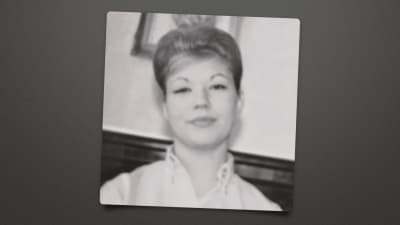
The predictable narrative surrounding the passing of a seasoned industry figure often centers on the glare of the spotlight they once occupied. However, the story of Audrey Beth Davis, who died recently at 82, is less about the red carpet and more about the meticulous, often invisible, work that built the foundations of modern television promotion. While many might expect a publicist's legacy to be tied to a string of high-profile celebrity scandals or blockbuster movie launches, Davis's impact was more deeply rooted in the sustained success of beloved, long-running television series, shaping how audiences connected with their favorite shows for decades. This story resonates now because the television landscape has fragmented dramatically. In an era of streaming giants, binge-watching, and algorithm-driven content discovery, the sustained, community-building approach to promoting shows that Davis mastered feels like a relic of a different age. Her career spanned a time when building buzz was a more deliberate, relationship-driven process, relying on trusted critics, water-cooler conversations, and carefully orchestrated media appearances. Understanding her contribution offers a stark contrast to today's often ephemeral digital marketing strategies, reminding us of the craft involved in creating enduring cultural touchstones. Davis's influence, though not always visible to the end consumer, was significant for the television industry itself. As an executive vice president at The Lippin Group, a firm she joined in the late 1970s and stayed with for three decades, she was instrumental in shaping the public perception of numerous network and cable programs. Her expertise wasn't in generating fleeting headlines but in cultivating a steady, positive association with shows that became household names. This allowed those programs to maintain viewership and cultural relevance over extended runs, a feat that is increasingly challenging in today's hyper-competitive media environment. Her work provided a crucial bridge between creative content and audience engagement, a role that is vital for any media product's longevity. The impact of Davis's work extended to the creative teams and networks she served. For showrunners and network executives, a publicist like Davis was not just a vendor; they were a strategic partner. Her ability to manage narratives, secure positive reviews, and build anticipation for new seasons ensured that shows like 'The Golden Girls,' 'Law & Order,' and 'The Love Boat' could build and maintain loyal fan bases. This consistent audience engagement translated directly into advertising revenue for networks and a stable platform for creative talent. Her retirement in 2008 marked the end of an era for The Lippin Group, as noted by Chairman and CEO Dick Lippin, who called her a "founding team member" and a "consummate professional." For the ordinary viewer, the significance lies in the enduring quality of the programming she helped champion. The shows Davis worked on, such as the Emmy-winning CBS miniseries 'Scarlett' and the enduring procedural drama 'Law & Order: Special Victims Unit,' became comfort viewing, cultural touchstones, and conversation starters for millions. While viewers didn't see Davis’s name on screen, they experienced her work every time they tuned in, felt a connection to a character, or discussed an episode with a friend. Her legacy is embedded in the collective memory of these television experiences. The challenges Davis tackled were complex. Building sustained public interest in a television series required a deep understanding of media cycles, journalist relationships, and audience psychology. Unlike the immediate gratification of viral social media campaigns, her approach involved strategic planning over months, even years, to ensure consistent positive press and viewer engagement. This involved everything from securing interviews with key cast members and producers to crafting compelling press releases that highlighted the show's unique selling points, like the groundbreaking ensemble cast of 'The Golden Girls' or the procedural innovation of the original 'Law & Order.' Looking ahead, the skills Davis honed – strategic communication, long-term narrative building, and genuine relationship management – remain vital, even if the tools have evolved. As the media landscape continues to shift, there will always be a need for professionals who can connect compelling content with audiences in meaningful ways. The challenge for new generations of publicists is to adapt these timeless principles to the digital age, fostering genuine connection rather than just fleeting attention. It will be interesting to see how her foundational approach to public relations influences contemporary media strategies. While flowers can be sent to St. Francis Home, in lieu of them, as a testament to her enduring impact, perhaps the best tribute is to revisit the shows she helped bring to life. Her passing, though a personal loss, also serves as a moment to reflect on the less visible but equally critical roles that have shaped our entertainment consumption for generations. The quiet dedication of professionals like Audrey Beth Davis built the scaffolding that supports the entire entertainment industry, ensuring that stories, once told, continue to reach and captivate audiences.
In Brief
Explore the understated but profound influence of Audrey Beth Davis, a veteran publicist who shaped the enduring success of iconic television shows, contrasting her strategic approach with today's fast-paced media landscape.Advertisement





Comments
No comments yet. Be the first to comment!