
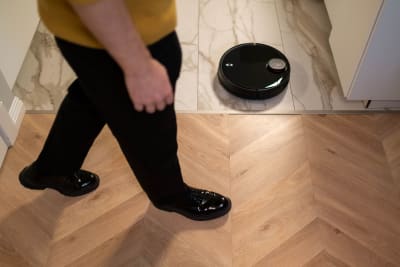
For millions, the simple act of keeping floors clean has transitioned from a chore to a background operation, a testament to the relentless march of domestic automation. Today, a new generation of robotic cleaning devices promises not just to vacuum but to intelligently manage an entire household's floor care, freeing up valuable time and reducing physical strain for users, especially those with mobility challenges. This evolution moves beyond mere convenience, touching on enhanced quality of life and greater independence for elderly family members or individuals with health conditions. The early days of robot vacuums were characterized by a somewhat naive approach to cleaning. These pioneers, while fascinating novelties, often navigated rooms with a somewhat random, ping-ponging pattern. Their onboard intelligence was limited, primarily to obstacle avoidance and returning to a charging dock when power levels dipped. The primary function was often a novelty, an amusing glimpse into a futuristic home rather than a truly efficient cleaning solution. Users quickly learned their limitations: missed spots, getting stuck in corners, and a general lack of sophisticated planning. Fast forward to today, and the landscape has dramatically transformed. Devices like the Eufy Omni S2, priced around $1,599.99, exemplify this leap. It's no longer just about suction; these machines integrate advanced navigation, self-maintenance, and multi-functional capabilities. The Omni S2, for instance, seamlessly switches between vacuuming and mopping, adapting its approach based on floor type. Its powerful 30,000 Pa AeroTurbo 2 suction, equivalent to 100 air-watts, tackles debris on both hard surfaces and carpets, while its intelligent design allows it to raise its wheels to accommodate varying carpet heights. The sophisticated mechanics of these new devices address common user frustrations. The Omni S2 features dual tangle-free brushes designed to funnel dirt and hair efficiently into its dustbin, minimizing the need for manual intervention to untangle the brush roll. The mopping system is equally advanced, boasting a full-width roller mop with HydroJet self-cleaning. This means the mop head is cleaned and refreshed as the robot operates, using electrolyzed water from its base station for enhanced hygiene, a far cry from the days of using the same dirty water for the entire job. Perhaps the most striking advancement lies in the autonomous base station. When the vacuum’s dustbin is full or its battery is low, it navigates back to its dock. Here, it not only empties debris and refills its clean water tank but also deep-cleans the mop head with 140-degree water and dries it with hot air. This self-sufficient cycle allows the robot to resume its cleaning task uninterrupted once recharged and replenished, akin to a rapid pit stop for a race car. This automation extends to intelligent room mapping and path planning, ensuring comprehensive coverage without manual oversight. Beyond the mechanics, these devices are incorporating features that enhance the overall home environment. The inclusion of an integrated fragrance dispenser, with replaceable scent pods, adds an olfactory dimension to the cleaning process, turning a utilitarian task into an ambient experience. This thoughtful addition underscores a broader trend in smart home technology: moving from pure functionality to holistic user experience, considering comfort and sensory perception alongside efficiency. The base station's ability to dispense specific cleaning solutions from specially designed bottles further streamlines maintenance and ensures optimal performance. The implications of such advanced domestic robots extend beyond individual households. They represent a significant step towards truly 'smart' homes, where appliances operate with minimal human input. For an aging population, these devices can be instrumental in allowing individuals to maintain their independence and live in their homes longer, reducing the burden of physical chores. This technological support system can alleviate concerns for family members, offering peace of mind that a loved one's living environment is being maintained efficiently and safely. Looking ahead, the trajectory of domestic robotics points towards even greater integration and intelligence. We can anticipate devices that not only clean but also monitor home conditions, perform minor maintenance tasks, and communicate more seamlessly with other smart home systems. The focus will likely shift from task-specific robots to versatile home management units that learn user preferences and adapt to changing household needs, further blurring the lines between appliance and intelligent assistant.
In Brief
Robotic floor cleaners have evolved from novelty gadgets to sophisticated home assistants. Discover how advanced navigation, self-cleaning capabilities, and intelligent base stations are transforming household chores and enabling greater independence.Advertisement




Comments
No comments yet. Be the first to comment!