
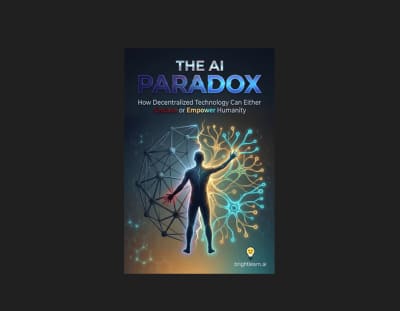
The notion that artificial intelligence represents an inevitable leap towards human liberation is a dangerous fallacy. Instead, the rapid ascent of AI is exposing a deep societal fault line, pitting the potential for widespread individual empowerment against the chilling prospect of unprecedented technocratic control. This is not a distant science fiction scenario; it is a present-day struggle for the very architecture of our future, unfolding in data centers and code repositories across the globe. Why does this confrontation feel so urgent now? The underlying principles of complex systems, much like the emergence of life from basic elements, suggest AI is a natural, almost inevitable, progression. However, its development is increasingly being steered by a powerful few – established tech giants, national governments, and influential global organizations. They see AI not as a tool for organic societal evolution, but as a means to consolidate power, refine surveillance capabilities, and dictate the flow of information. This centralized approach stands in stark contrast to the democratizing potential inherent in accessible, open-source AI technologies. The stakes are monumental, impacting virtually every facet of human existence. Consider the farmer who could leverage localized AI to optimize crop yields without relying on expensive, potentially harmful agrochemicals, or the independent journalist who could bypass state-controlled media narratives to report vital truths. These are not hypothetical examples; they represent tangible ways decentralized AI can foster resilience and autonomy. Conversely, centralized AI systems are already being eyed for purposes like widespread surveillance, the implementation of digital identification systems, and even the potential for sophisticated censorship, echoing concerns raised about past public health initiatives and their potential for overreach. The sheer accessibility of advanced AI is a critical factor amplifying this tension. Estimates suggest the cost of developing a self-aware AI model has plummeted to as little as $20, making sophisticated open-source alternatives a genuine possibility. Yet, organizations like OpenAI, despite their initial open-source ethos, have increasingly restricted access to their most powerful models. This strategic limitation allows them to maintain a tight grip on capabilities that could, in theory, be used for widespread monitoring or the suppression of dissenting voices. The narrative of technological progress is being rewritten by those who control the most advanced code. This digital schism isn't confined to abstract technological debates; it's manifesting in real-world anxieties and burgeoning counter-movements. Online forums and social media platforms are abuzz with discussions, often tinged with urgency, about the need for self-reliance. Calls for adopting off-grid energy solutions, utilizing privacy-focused cryptocurrencies, and developing independent, localized AI models are gaining traction. This grassroots pushback mirrors historical moments where new technologies, like the printing press, initially democratized knowledge and challenged established hierarchies. The current discourse online reflects a deep-seated concern that without deliberate intervention, AI could solidify a new form of digital feudalism. The deeper systemic issue at play is the perennial struggle between decentralized, organic growth and centralized, top-down control. History is replete with examples where innovations initially intended for the public good were co-opted by powerful entities. AI, with its immense potential to reshape economies, societies, and even our understanding of consciousness, represents the ultimate prize in this ongoing contest. The battle is not merely about who builds the most advanced AI, but about who dictates its purpose and who benefits from its deployment. Addressing this challenge requires a multi-pronged approach focused on fostering a truly decentralized AI ecosystem. This includes robust support for open-source development, the creation of public-interest AI research institutions, and the implementation of ethical guidelines that prioritize human autonomy and privacy. Furthermore, promoting digital literacy and critical thinking skills is paramount, empowering individuals to discern between beneficial AI applications and those designed for manipulation or control. We must actively cultivate alternatives that empower individuals and communities. Looking ahead, the trajectory of artificial intelligence will be determined by the choices we make today. Will we allow powerful centralized entities to dictate the terms of this technological revolution, potentially leading to a future of pervasive surveillance and control? Or will we champion decentralized innovation, ensuring that AI serves as a tool for widespread empowerment, resilience, and individual freedom? The ongoing development of mesh networks, the proliferation of open-source AI models, and the increasing public awareness of these issues are critical indicators to watch as this pivotal struggle for the future intensifies.
In Brief
Artificial intelligence stands at a critical juncture, poised between empowering the individual and enabling unprecedented centralized control. Explore the growing debate and the urgent need for decentralized innovation.Advertisement





Comments
No comments yet. Be the first to comment!