
The Numbers
- Approximately 1,100 pounds of explosives were meticulously placed to bring down the 15-story structure, ensuring a controlled and safe demolition process that minimized disruption to the surrounding urban environment.
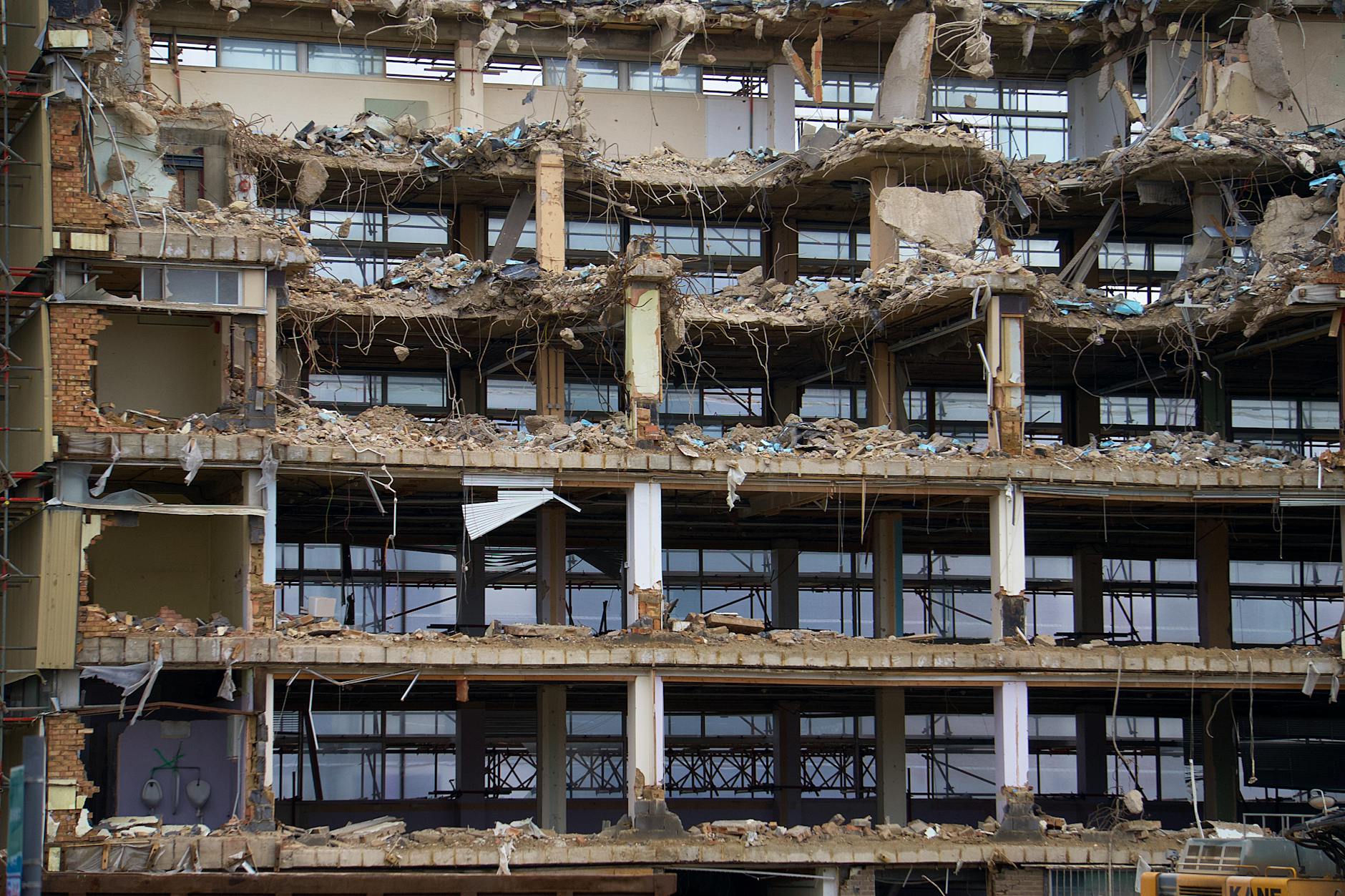
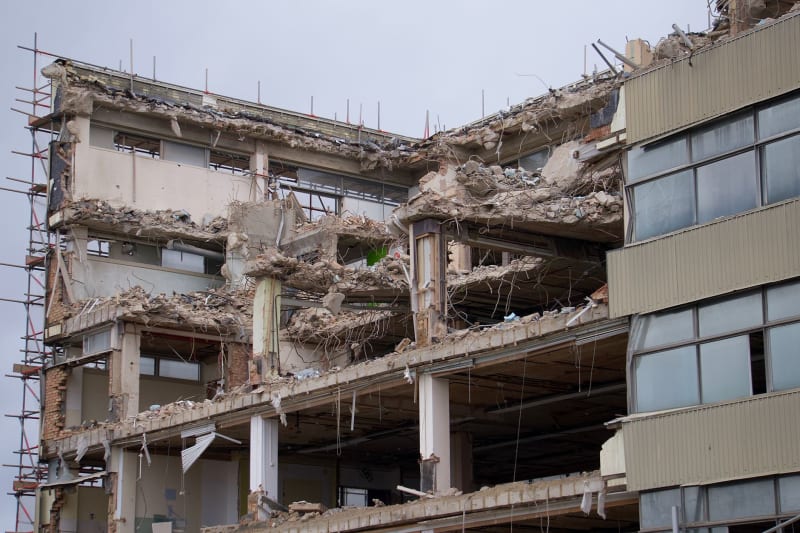
- The Arlington Sheraton hotel, standing for over four decades, was reduced to rubble in under 60 seconds, a testament to the advanced engineering and precise execution required for large-scale implosions.
- The demolition project cost an estimated $10 million, a significant investment aimed at clearing the site for a much larger and more modern hospitality complex that is expected to generate substantial economic returns.
- Over 500,000 cubic yards of debris were generated from the implosion, requiring a massive logistical effort for removal and recycling, underscoring the scale of the transformation underway in downtown Arlington.
- The new Loews hotel is projected to create over 500 permanent jobs upon completion, in addition to the hundreds of temporary positions filled during its extensive construction phase, boosting local employment.
- An estimated $100 million in direct and indirect economic impact is anticipated annually from the new Loews hotel and its associated convention facilities, significantly enhancing Arlington's appeal as a business and tourism destination.
Context Check
The controlled implosion of the Arlington Sheraton represents a significant turning point for the city's downtown revitalization efforts. For years, the aging hotel stood as a symbol of past development, but its structural and functional limitations became increasingly apparent in a rapidly evolving hospitality market. The decision to demolish and rebuild signifies a commitment to modernizing the city's infrastructure and attracting larger-scale events and tourism. This strategic move is not merely about replacing an old building; it's about fundamentally reshaping the economic and social fabric of downtown Arlington, aiming to create a more vibrant and competitive destination.
The process leading up to the implosion involved extensive planning and coordination among various stakeholders, including demolition experts, city officials, and local businesses. Safety protocols were paramount, with surrounding areas evacuated and traffic rerouted to ensure the well-being of residents and minimize public inconvenience. The successful execution of such a complex operation reflects a high degree of technical expertise and diligent oversight, setting a precedent for future large-scale urban development projects in the region. The meticulous attention to detail in the planning and execution phases underscores the importance placed on public safety and operational efficiency.
The site's transformation from an aging hotel to a modern convention center and hotel complex is a strategic investment designed to bolster Arlington's position as a premier destination for business and leisure. The new Loews hotel, with its expanded amenities and capacity, is expected to attract a greater number of conventions, conferences, and tourists, thereby generating significant economic benefits. This development is part of a broader vision to enhance the city's competitiveness and ensure its long-term economic prosperity by adapting to the evolving demands of the hospitality industry and conference market.
Background
The Arlington Sheraton, a fixture in the city's landscape for over four decades, was originally built to serve the growing needs of the region's business and tourism sectors. Its construction marked a period of significant development in Arlington, positioning it as a key hub for corporate events and visitor accommodations. However, as the years progressed, the hotel's infrastructure and amenities began to show their age, struggling to keep pace with the modern standards and expectations of the contemporary hospitality industry. The building’s once-prominent status gradually diminished, leading to discussions about its future and the potential for redevelopment.
The decision to replace the Sheraton with a new Loews hotel was driven by a confluence of factors, including the need for updated facilities, increased capacity, and a desire to attract larger conventions. The existing structure, while historically significant, presented limitations in terms of expansion and modernization. Investing in a complete demolition and new construction offered a more viable and forward-thinking solution to meet the evolving demands of the market. This approach allows for the integration of state-of-the-art technology, enhanced guest experiences, and more flexible event spaces, aligning with the strategic goals for downtown Arlington's economic growth.
The planning and approval process for the new Loews hotel project was extensive, involving detailed architectural designs, environmental impact assessments, and public consultations. The project aims to create a landmark destination that not only provides luxury accommodations and extensive meeting facilities but also contributes positively to the urban environment. The demolition of the Sheraton was a critical, albeit dramatic, step in this multi-year development plan, symbolizing the transition from an older era of development to a new chapter focused on innovation and economic expansion for Arlington.
Winners and Losers
The primary beneficiaries of this ambitious redevelopment project are undoubtedly the city of Arlington and its residents. The new Loews hotel is poised to become a major economic engine, generating substantial tax revenue, creating hundreds of new jobs, and attracting significant tourism and business. This influx of activity is expected to stimulate growth in surrounding businesses, from restaurants and retail to transportation services. Furthermore, the enhanced convention facilities will bolster Arlington's reputation as a premier destination for large-scale events, bringing increased visibility and economic vitality to the entire region.
While the demolition signifies progress, there are also considerations for those potentially impacted negatively. Residents in close proximity to the former Sheraton may have experienced temporary disruptions during the demolition and construction phases, including noise, dust, and traffic detours. Additionally, the loss of a familiar landmark, however aged, might evoke a sense of nostalgia for some long-time community members. However, the long-term economic and infrastructural benefits are anticipated to outweigh these temporary inconveniences and sentimental considerations for the broader community.
The developers and investors behind the Loews hotel project stand to gain significantly from this strategic venture. By acquiring and redeveloping a prime piece of real estate, they are positioning themselves to capitalize on Arlington's growth trajectory and the increasing demand for high-quality hospitality and convention services. The success of this project could pave the way for further investment and development in the area, making the stakeholders involved clear winners in this transformative urban renewal initiative. The partnership between public and private entities highlights a shared vision for economic advancement.
Analyst Perspectives
Urban development analysts view the implosion of the Arlington Sheraton and the subsequent construction of the Loews hotel as a textbook example of strategic city planning aimed at economic revitalization. They emphasize that replacing aging infrastructure with modern, high-capacity facilities is crucial for cities seeking to remain competitive in the MICE (Meetings, Incentives, Conferences, and Exhibitions) market. The scale of the Loews project suggests a strong confidence in Arlington's future growth and its ability to attract major events, which in turn can catalyze further investment and job creation across various sectors.
Hospitality industry experts highlight that the demand for upscale hotels and comprehensive convention centers continues to rise, particularly in dynamic urban centers like Arlington. The new Loews hotel, with its anticipated amenities and services, is well-positioned to capture a significant share of this market. They note that such large-scale developments are not just about accommodation; they are about creating integrated experiences that draw visitors and encourage longer stays, thereby maximizing economic impact. The success of such projects often hinges on effective marketing and strategic partnerships with event organizers.
Economic development consultants point to the ripple effect that major projects like the Loews hotel can have on a local economy. Beyond the direct job creation and tourism revenue, these developments often lead to improvements in public infrastructure, increased property values, and a more vibrant business environment. They caution, however, that careful management is required to ensure that the benefits are broadly distributed and that the project aligns with the city's long-term vision, addressing potential challenges such as traffic congestion and housing affordability that can arise from rapid growth.
Key Questions Explained
The Outlook
The successful demolition of the Arlington Sheraton marks the definitive end of an era and the commencement of a transformative period for the city. The stage is now set for the construction of the Loews hotel, a project poised to redefine Arlington's hospitality and convention landscape. This development is not merely about erecting a new building; it represents a strategic investment in the city's future economic prosperity and its standing as a premier destination for business and leisure travelers. The anticipation is palpable for the groundbreaking and subsequent unveiling of this landmark facility.
Looking ahead, the successful integration of the Loews hotel into Arlington's urban fabric is expected to catalyze further development and economic growth. The increased capacity for hosting large-scale events will attract new businesses and conferences, fostering a dynamic environment for innovation and commerce. The city anticipates a significant boost in tourism, which will benefit local businesses and create a more vibrant atmosphere downtown. The project's success will likely serve as a blueprint for future urban renewal initiatives, demonstrating the power of strategic investment and public-private collaboration.
While the path forward involves significant construction and potential temporary disruptions, the long-term outlook for Arlington is exceptionally bright. The new Loews hotel is envisioned as a cornerstone of the city's economic development strategy, promising enhanced infrastructure, increased employment opportunities, and a strengthened competitive position on the regional and national stage. The transformation from the old Sheraton to the new Loews symbolizes Arlington's forward-thinking approach and its commitment to embracing progress and opportunity.











Comments
No comments yet. Be the first to comment!