

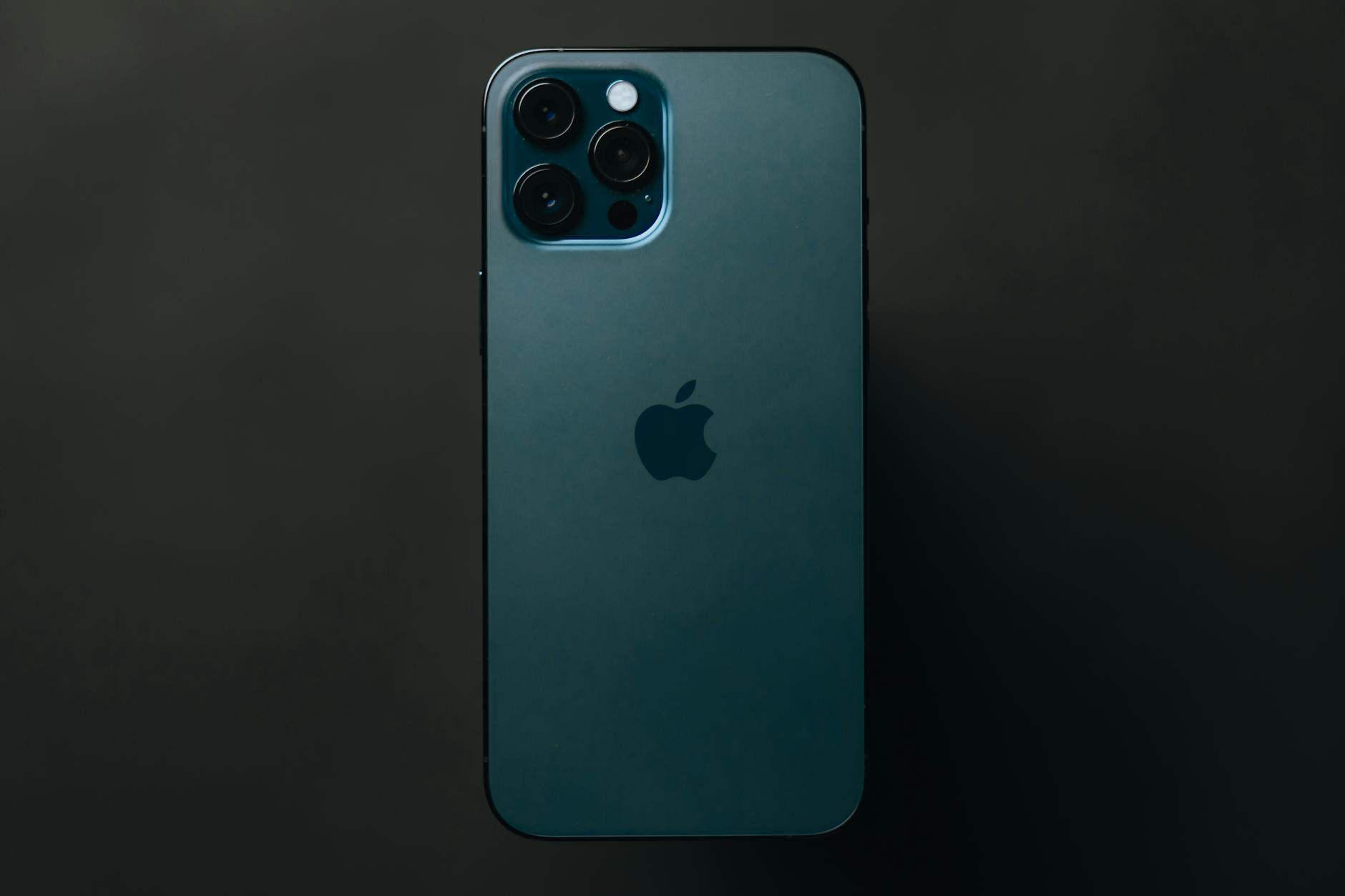
The tech world has long anticipated Apple's entry into the foldable smartphone arena, a market segment that has seen fluctuating fortunes and intense competition from rivals like Samsung. For years, rumors have swirled about Apple's secretive development, painting a picture of meticulous design and uncompromising quality. This perceived perfectionism, while a hallmark of the Cupertino giant, now appears to be presenting significant challenges as the company reportedly grapples with mass production of its inaugural foldable device, casting a shadow over its much-hyped debut. The historical context is crucial: Apple didn't rush into the smartwatch or tablet markets, waiting until it could offer a distinctly superior or category-defining product. This measured approach, while often yielding blockbuster results, also means that when Apple *does* enter a space, expectations are stratospheric, and any stumbles are amplified. Recent reports from supply chain insiders suggest that Apple's foldable iPhone is encountering serious yield problems during the pre-assembly phase. Unlike earlier speculation that focused on the intricate hinge mechanisms, the current difficulties are reportedly rooted in the complexities of surface-mount technology (SMT), a critical stage where electronic components are soldered onto circuit boards. Sources indicate that production yields are failing to meet the high benchmarks Apple demands, a significant departure from the seamless ramp-up typically associated with its product launches. This isn't just a minor hiccup; it points to a fundamental challenge in scaling up production for a device with unprecedented design elements and manufacturing processes. The implications of these production snags extend far beyond Apple's bottom line or its immediate product roadmap. The foldable smartphone category itself has struggled to gain widespread consumer adoption, often hampered by high prices, durability concerns, and a lack of compelling use cases that justify the premium. If Apple, with its immense brand loyalty and marketing power, cannot overcome these manufacturing hurdles to deliver a polished and reliable product, it could send a discouraging signal to the entire industry. It raises questions about the current maturity of foldable technology and whether consumers are truly ready for a form factor that still feels like it's in its nascent stages, despite several generations of development from other manufacturers. Several key figures and entities are directly impacted by these developments. Leakers like "Fixed Focus Digital" and "Instant Digital" have become crucial conduits of information, offering glimpses into the manufacturing floor. Their reports, though unverified by Apple, paint a consistent picture of struggle. Industry analysts are closely watching to see how Apple's assembly partners, such as Foxconn, navigate these unprecedented production demands. Furthermore, competitors who have already invested heavily in foldable technology will be observing Apple's challenges with a mix of apprehension and perhaps strategic interest, assessing whether this represents a temporary setback or a systemic issue with the foldable form factor itself. The potential pricing, rumored to be around $2,000, also means a significant segment of affluent consumers, eager for the latest Apple innovation, are directly affected by potential delays or a compromised launch. The social media sphere has, predictably, buzzed with speculation and commentary. Discussions range from skepticism about whether Apple can truly innovate in this space to outright disappointment from fans who have been eagerly awaiting the device. Online forums and social platforms are rife with debates about the practicality of foldable phones versus traditional designs, with some users questioning the necessity of the form factor altogether. The narrative often polarizes: either Apple will work its magic and solve these issues, delivering a revolutionary product, or this will be a rare misstep, a testament to the inherent difficulties of folding screens and complex hinges. This public discourse, while often informal, shapes consumer perception and puts additional pressure on Apple to deliver. The broader societal implications touch upon our relationship with technology and disposability. Foldable devices, with their complex mechanisms and multiple components, present unique environmental challenges regarding repairability and end-of-life recycling. If Apple's foldable iPhone faces early durability issues or requires frequent, costly repairs, it could exacerbate concerns about electronic waste and the sustainability of premium gadgets. The company's ability to successfully manufacture and market a durable, long-lasting foldable device could set a precedent for how such complex technologies are integrated into our lives responsibly. Various potential solutions are being explored, or at least considered, within Apple's product development and manufacturing circles. One avenue is to simply delay the launch further, allowing more time to refine the SMT processes and improve yield rates, ensuring a higher quality product reaches consumers. Another possibility is to proceed with a limited initial release, targeting specific markets or a smaller customer base, thereby managing production volumes while continuing to iron out manufacturing kinks. Apple might also be exploring alternative materials or component suppliers to mitigate specific SMT bottlenecks. The company's legendary secrecy means that the exact strategies remain unknown, but a combination of process optimization and staggered rollout seems plausible. The current situation is a stark reminder that even the most established tech giants are not immune to the inherent complexities of cutting-edge hardware development. Apple's reputation for seamless product launches is being tested, and the success or failure of its foldable iPhone could have lasting repercussions for the company and the future trajectory of foldable technology. Consumers are left waiting, observing the unfolding narrative with a mixture of anticipation and caution, wondering if the foldable dream will finally become a mainstream reality, or if it will remain an expensive niche for early adopters. Looking ahead, several key indicators will be crucial to monitor. Any official announcements or even subtle shifts in Apple's product release cadence will be telling. Independent teardowns and durability tests, once the device eventually launches, will provide definitive insights into the quality of materials and manufacturing. Furthermore, consumer reception and long-term reliability reports will ultimately determine whether Apple has successfully navigated these complex production challenges to redefine the foldable smartphone market, or if its inaugural effort becomes a cautionary tale in the relentless pursuit of innovation.
In Brief
Apple's anticipated foldable iPhone is reportedly encountering significant manufacturing problems related to surface-mount technology, raising questions about its launch timeline and the future of the foldable market. Experts and insiders weigh in on the challenges.Advertisement



Comments
No comments yet. Be the first to comment!