
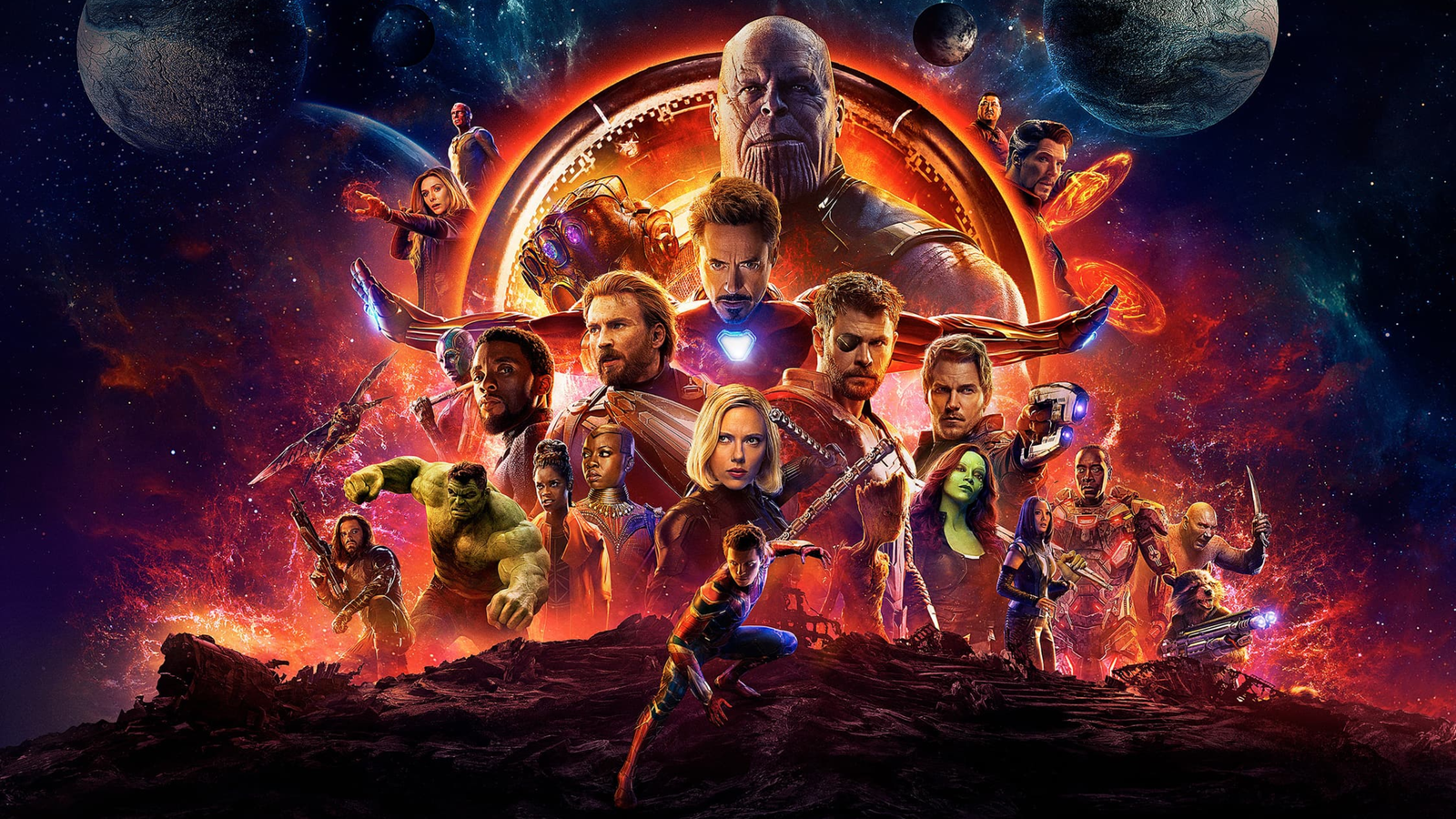
Long before Robert Downey Jr. ignited the box office as Iron Man, Marvel Entertainment was on the brink of a cinematic revolution, one that never materialized and would have presented a vastly different landscape of superhero storytelling. In the early 2000s, with the company facing financial difficulties, a groundbreaking deal was struck with Artisan Entertainment. This ambitious pact aimed to bring fifteen Marvel superhero franchises to life across various media, including live-action films, television series, direct-to-video releases, and even internet projects. The vision was grand, intending to create a sprawling interconnected narrative that predated the very concept of a shared cinematic universe as we understand it today. This initiative, had it succeeded, would have irrevocably altered the trajectory of blockbuster filmmaking, potentially preempting the dominant model that Marvel Studios would later perfect. The scope of this forgotten endeavor was immense. Marvel, in a bid for survival, strategically licensed out the film rights to many of its iconic characters. The Artisan Entertainment deal, a joint venture, was a testament to the studio's desperate attempts to leverage its intellectual property for much-needed capital. It was a period of uncertainty for Marvel, a far cry from the global powerhouse it is now. The plan was not merely to produce individual films but to weave a tapestry of interconnected stories, laying the groundwork for a shared universe years before the term even entered mainstream Hollywood parlance. This forward-thinking strategy, though ultimately shelved, demonstrated an early understanding of the potential for cross-franchise synergy. The roster of characters slated for inclusion was a tantalizing mix of fan favorites and characters who would later become cornerstones of the modern MCU. Reports from the time indicated that figures such as Captain America, Black Panther, and Deadpool were part of this ambitious licensing agreement. Imagine a world where these beloved heroes, and many others, were introduced through a different lens, under a different creative stewardship, and within a narrative framework conceived nearly a decade before the Avengers assembled. The potential for unique interpretations and unexpected character interactions was enormous, offering a tantalizing glimpse into an alternate reality of superhero cinema. However, this ambitious project was ultimately derailed by corporate restructuring. In 2004, Artisan Entertainment merged with Lions Gate Entertainment, a move that effectively dissolved the original joint venture with Marvel. This merger, while a significant event in the film industry, meant the end of the road for Marvel's first concerted effort to build a cinematic universe. The timing was critical; had the deal persevered, the subsequent development of superhero films might have followed an entirely different path, with studios perhaps emulating this earlier model rather than the one that eventually emerged from Marvel Studios. The implications of this failed venture are profound. The current MCU, a model of interconnected storytelling and franchise building, has redefined Hollywood economics and audience engagement. Yet, it's fascinating to consider what might have been if Marvel's initial foray into a shared universe had taken root. Would the character portrayals have been more faithful to the comics, or would they have been molded by the sensibilities of a different era and a different creative team? The artistic and commercial successes of the modern MCU are undeniable, but this lost opportunity represents a significant 'what if' in the annals of film history, a path not taken that could have reshaped the genre. This early Marvel initiative was not without its potential pitfalls. While the ambition was commendable, the execution was fraught with the challenges of a nascent shared universe concept. The success of the modern MCU is attributed not just to its characters and stories, but also to its meticulous planning, consistent tone, and the unparalleled vision of Kevin Feige. It is plausible that the Artisan deal, lacking such centralized creative control and facing the inherent difficulties of managing multiple franchises simultaneously, might have struggled to achieve the same level of cohesion and critical acclaim. The risk of fragmentation, inconsistent quality, or even outright commercial failure was substantial, meaning the 'failure' of this early attempt might have inadvertently paved the way for the more controlled and ultimately successful iteration. In retrospect, the failure of Marvel's first cinematic universe attempt to launch with Artisan Entertainment was a pivotal moment. While it prevented a different, perhaps less polished, version of a shared Marvel universe from materializing, it also cleared the path for the meticulously crafted and immensely successful Marvel Cinematic Universe that dominates popular culture today. The benefits of the current MCU are clear: a consistent narrative, beloved characters brought to life with fidelity and flair, and a massive, engaged global audience. However, those who might have benefited from the earlier, potentially more experimental approach, include filmmakers who might have had more creative freedom or audiences who might have experienced a different, perhaps more diverse, range of superhero interpretations. Ultimately, the 'failure' allowed for a more refined and ultimately more dominant success. The legacy of this nearly-realized cinematic universe lies in its testament to Marvel's early recognition of the power of interconnected storytelling. While the world we inhabit is one shaped by the Iron Man's first flight, it's important to acknowledge the ambitious blueprint that existed before it. This forgotten endeavor serves as a reminder that the path to cinematic dominance is rarely linear, and that even the most successful ventures often have unwritten chapters and alternate beginnings. The lessons learned from this early struggle likely informed the strategies that would eventually lead to the unparalleled success of the MCU.
In Brief
Explore a forgotten Marvel cinematic universe plan from the early 2000s that aimed to launch multiple superhero franchises before the MCU. This ambitious deal with Artisan Entertainment, featuring characters like Captain America and Black Panther, ultimately dissolved, altering the course of superhero film history.Advertisement


Comments
No comments yet. Be the first to comment!